
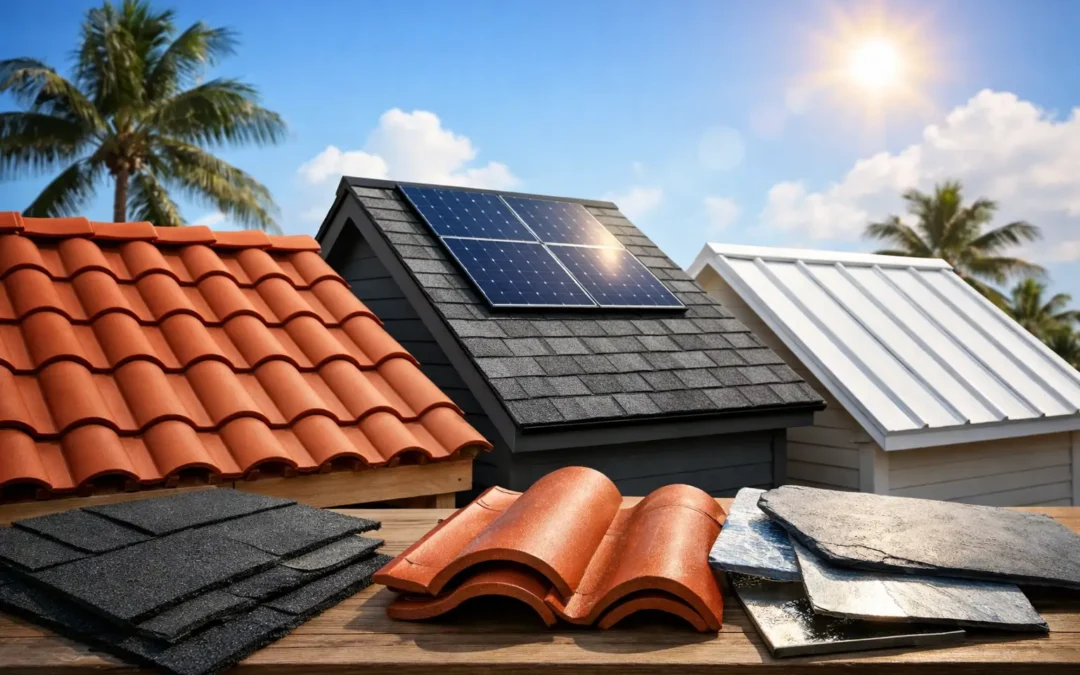
A Jacksonville attic can feel punishing by midafternoon in July, and your roof is the first surface absorbing that sun. The best roofing material for Florida heat is not simply the lightest-colored product or the one with the highest advertised rating. It is the system that manages heat while standing up to torrential rain, hurricane-force winds, humidity, salt air, and the demands of your specific home.
For Northeast Florida homeowners, a roof replacement is a long-term protection decision. The right material can improve comfort, support energy efficiency, preserve curb appeal, and help protect your family’s most valuable asset through the next storm season. The wrong choice can leave you with a roof that looks good on day one but requires more maintenance, offers less wind protection, or does not fit your home’s structure and budget.
What Florida Heat Actually Demands From a Roof
Florida roofs face more than high temperatures. Solar radiation heats the roof surface for hours at a time, then afternoon downpours rapidly cool it. Those repeated temperature swings can cause materials to expand and contract. Add persistent humidity, wind-driven rain, algae growth, and seasonal tropical weather, and it becomes clear why material selection and installation quality must work together.
A heat-ready roof should reflect a meaningful amount of solar energy, release absorbed heat effectively, and protect the roof deck from moisture. But reflectivity alone is not the whole answer. A highly reflective roof with weak flashing, poor attic ventilation, or installation errors will not provide dependable protection.
Color matters, particularly with shingles and metal. Lighter colors generally absorb less heat than darker colors. However, homeowners should consider the material’s full performance rating, expected maintenance needs, wind rating, and warranty requirements rather than choosing strictly by color.
Best Roofing Material for Florida Heat: How the Options Compare
There is no single best roof for every Florida property. Roof slope, architectural style, location, exposure to trees or coastal conditions, and budget all affect the right recommendation. These are the materials most often worth considering.
Metal roofing: excellent heat performance and long service life
Metal roofing is one of the strongest choices for managing Florida heat. Its reflective surface can reduce solar heat absorption, especially when paired with a light or specialized reflective finish. Metal also sheds rain quickly, resists rot and insects, and can provide exceptional longevity when installed correctly.
Standing seam metal is especially popular with homeowners seeking a clean appearance and fewer exposed fasteners. Because the panels interlock, it offers strong weather protection and a modern finish.
The trade-off is upfront cost. Metal typically costs more than asphalt shingles, and Florida’s coastal environment requires the correct panel type, coating, fasteners, and flashing to limit corrosion risks. It can also be noisier during heavy rain if the roof assembly is not properly designed, though solid decking, insulation, and attic construction greatly reduce that concern.
Concrete or clay tile: durable, attractive, and heat-conscious
Tile has a long history in Florida for good reason. Concrete and clay tile create an air space beneath the tile surface that can help reduce heat transfer into the home. They also offer a distinctive appearance, strong durability, and a broad range of colors and profiles suitable for Mediterranean, coastal, and traditional homes.
Clay tile can retain its color beautifully, while concrete tile often provides a more accessible price point. Both can perform well in Florida, but tile is heavy. Before installation, a qualified contractor should confirm that the structure can support the load and that the underlayment, flashings, and attachment method meet current code requirements.
Tile roofs are not maintenance-free. Individual tiles can crack from impact or foot traffic, and the underlayment beneath them will eventually need attention. Homeowners should also understand that the water-shedding tile is only part of the protection system. Proper underlayment and details around valleys, vents, chimneys, and walls are critical.
Architectural asphalt shingles: practical value with the right system
Architectural shingles remain a leading choice for Florida homeowners because they balance appearance, cost, repairability, and dependable performance. They are lighter than tile, more affordable than most metal systems, and available in colors designed to reflect more sunlight than traditional dark roofing options.
For many homes, premium architectural shingles are the most practical answer. The key is choosing a complete roofing system with quality underlayment, leak barriers in vulnerable areas, proper ventilation, and wind-rated installation. A shingle’s performance during Florida weather depends heavily on the nails, starter strips, flashing, and workmanship beneath the visible surface.
Shingles generally will not reflect heat as effectively as a light-colored metal roof. They also have a shorter service life than well-maintained metal or tile in many cases. Still, a professionally installed architectural shingle roof from an established manufacturer such as GAF, Owens Corning, or CertainTeed can offer excellent protection and strong value for a wide range of Florida properties.
Low-slope systems for commercial and flat-roof sections
Low-slope residential additions and commercial buildings need a different approach. Materials such as TPO, PVC, modified bitumen, and coating systems are designed for roofs where water does not run off as quickly as it does on a steep slope.
White TPO and PVC membranes are often selected for their reflective surfaces, which can help limit heat gain. Modified bitumen can be a reliable option when specified for the building and installed with careful attention to seams and drainage. For these systems, drainage design is as important as the membrane itself. Standing water, clogged drains, and neglected penetrations can shorten the life of an otherwise sound roof.
The Roof System Matters as Much as the Surface Material
Homeowners sometimes focus entirely on the shingles, panels, or tiles they can see from the street. A durable Florida roof is built in layers. The deck, underlayment, water barriers, ventilation, flashing, fasteners, and edge details all have a direct role in heat management and storm protection.
Attic ventilation deserves special attention. It helps remove excess heat and moisture from the attic, which can reduce strain on insulation and HVAC equipment while supporting the roof system’s long-term performance. Ventilation must be balanced and correctly sized. Adding random roof vents without considering intake airflow can create problems rather than solve them.
Installation also affects warranty eligibility. Manufacturer-backed enhanced warranties may require approved materials, documented installation practices, and qualified contractors. Stonebridge’s GAF Master Elite® certification reflects the training and standards that help homeowners access stronger warranty options when a GAF system is the right fit.
Heat, Hurricanes, and Coastal Exposure Change the Decision
In Jacksonville, St. Augustine, Fernandina, Ponte Vedra, and other coastal or near-coastal communities, salt exposure deserves consideration. Metal components must be selected for the environment, and regular inspections are wise. Inland properties in Orlando, Tampa, and Lakeland may have different exposure concerns, but they still need to be prepared for severe rain, wind uplift, and high UV levels.
A roof’s wind rating should match local code requirements and the property’s risk profile. This is particularly important for homes with open exposures, tall rooflines, complex valleys, or locations near water. Ask how the proposed system handles wind resistance, not just what material is being installed.
If your roof is aging, missing shingles, showing cracked tiles, or developing recurring leaks, waiting through another hurricane season can raise the stakes. A professional inspection can identify whether targeted repairs, preventative maintenance, or full replacement offers the better long-term value.
Choosing the Right Roof for Your Home
Metal is often the strongest choice for homeowners prioritizing solar reflectivity and long service life. Tile is a compelling option for properties designed to support it and owners who want lasting architectural character. Architectural shingles are frequently the best balance of protection, appearance, and budget. Low-slope sections need a membrane system designed around drainage and seam integrity.
The most dependable choice begins with an honest evaluation of your existing roof, attic conditions, building structure, and goals. Consider whether you may add solar, whether you plan to stay in the home for decades, how much storm exposure the property receives, and what level of maintenance fits your plans.
A Florida roof should do more than survive the summer. It should help your home stay protected, comfortable, and ready when the weather changes fast. A detailed estimate from an experienced local roofing professional can turn that goal into a roof system built for the conditions outside your door.