Reroofing Versus Roof Coating for Florida Homes

Reroofing Versus Roof Coating for Florida Homes

A roof can look tired long before it has reached the end of its useful life. But in Northeast Florida, appearance is rarely the deciding factor. Relentless UV exposure, heavy rain, humidity, salt air near the coast, and hurricane-force winds can turn a small weakness into a damaging leak quickly. When weighing reroofing versus roof coating, the right answer depends on your roof type, its condition, and whether the existing system can still reliably protect the structure beneath it.

For many homeowners, a roof coating is not a substitute for reroofing. For many commercial properties with low-slope roofing, however, a properly specified coating system can be a smart way to extend service life. The key is an honest inspection before choosing the lower upfront price.

What Reroofing Actually Means

Reroofing generally means installing a new layer of roofing material over an existing roof, rather than removing every layer down to the roof deck. People often use the term interchangeably with roof replacement, but they are not always the same project.

A full roof replacement involves tearing off old shingles, tile, or other roofing materials so the contractor can inspect the decking and replace damaged components. New underlayment, flashing, ventilation details, and roofing materials are then installed as a complete system. This is often the better path when a roof is aging, storm-damaged, leaking in multiple areas, or already has more than one layer of roofing.

A reroof may be possible when the existing roof has only one layer, the deck is sound, and there are no widespread moisture concerns. Florida building requirements, roof slope, material type, and local permitting rules can all affect whether an overlay is allowed. A qualified contractor should verify those details rather than treating reroofing as an automatic shortcut.

For shingle roofs on Jacksonville-area homes, the conversation often leads to a full replacement because the roof system needs more than fresh shingles. Underlayment, flashing around penetrations, and deck condition matter just as much when storms arrive.

What a Roof Coating Can and Cannot Do

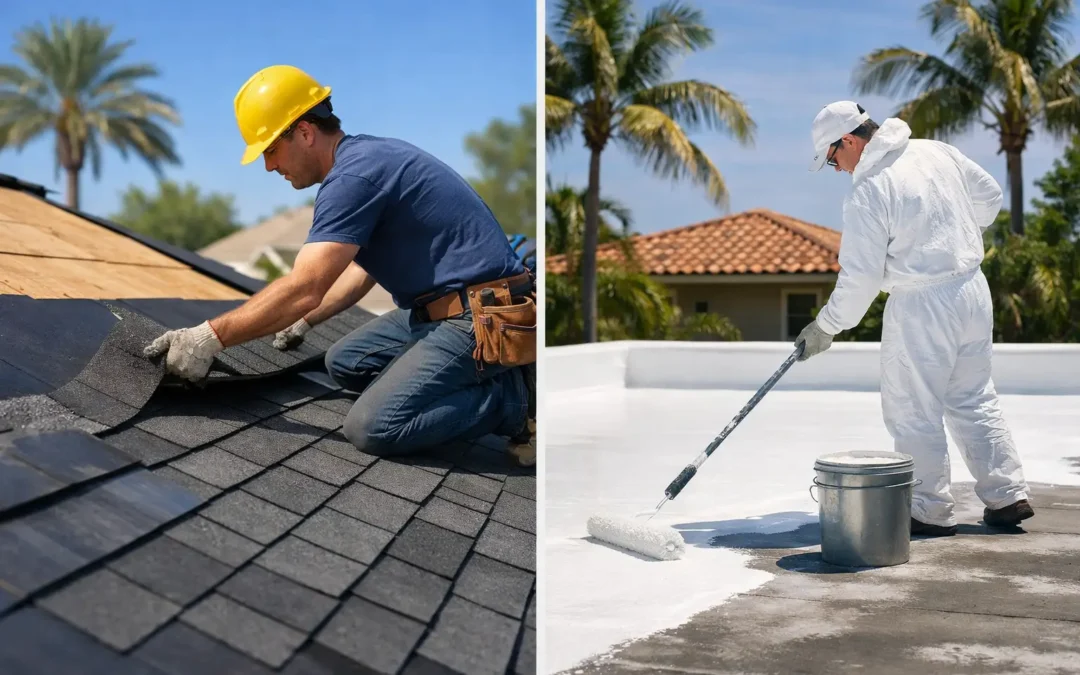
Roof coatings are liquid-applied membranes that cure into a protective layer over an existing roof surface. They are most common on low-slope commercial roofs, including modified bitumen, metal, single-ply, and certain built-up roofing systems. Depending on the product and roof assembly, coatings may help reduce surface temperatures, seal minor weathering, and add years of service life.

A coating is not a cosmetic paint job. The roof must be cleaned, dried, repaired, and prepared correctly. Seams, penetrations, drains, flashing transitions, and existing cracks typically require detailed repair before the coating is applied. If moisture is trapped beneath the existing membrane, coating over it can conceal an active problem instead of solving it.

Roof coatings are also not usually the right fix for a conventional asphalt shingle roof. Shingles are designed to shed water through overlapping layers, and coating them can interfere with their intended performance, affect manufacturer coverage, or hide damage that needs real repair. A homeowner with worn, curling, missing, or storm-lifted shingles should not assume a coating can restore the roof.

Reroofing Versus Roof Coating: The Real Differences

The choice is not simply between an expensive option and an affordable one. Each approach addresses a different level of risk.

Upfront cost and long-term value

A roof coating commonly costs less upfront than a replacement because it uses less material and avoids a full tear-off. That can make it appealing for a commercial owner managing a large low-slope roof or planning capital improvements over several years.

Yet lower initial cost does not always mean lower ownership cost. Coatings need periodic inspection and eventual recoating. If the roof has saturated insulation, failing seams, poor drainage, or structural concerns, money spent on a coating may only delay a necessary replacement. A full reroof or replacement costs more at the start but can provide a new, integrated roofing system with stronger long-term protection and available manufacturer warranty options.

Leak protection

A coating can be highly effective when the existing low-slope roof is fundamentally sound and leaks are limited to repairable seams, penetrations, or surface deterioration. It creates a continuous barrier across the roof surface, which can be useful on roofs with many details.

Reroofing or replacement is the stronger solution when leaks are widespread, recurring, or tied to failed underlayment, damaged decking, or aged materials. Water does not always enter where it becomes visible inside. If a ceiling stain keeps returning after spot repairs, the issue may be below the roof surface and require a closer look.

Wind and storm readiness

Florida storms test the entire roof assembly, not just its top layer. Wind can exploit loose shingles, compromised flashing, worn sealant, and weak attachment points. A coating may improve the weathering surface of an appropriate commercial roof, but it cannot correct poor installation, rotten decking, or inadequate wind resistance beneath the membrane.

A professionally planned replacement allows critical components to be evaluated together. That includes deck repairs, underlayment selection, flashing installation, ventilation, and the fastening requirements appropriate to the roof system. For a home exposed to coastal wind and driving rain, that whole-system approach brings meaningful peace of mind.

Energy performance

Reflective roof coatings can reduce heat absorption on suitable low-slope roofs. That can make interior spaces more comfortable and may lessen cooling demand, particularly for commercial buildings with broad roof areas.

A new roof can also support energy goals, but the strategy is different. It may include improved ventilation, better attic insulation planning, highly reflective materials where appropriate, or an integrated solar roofing upgrade. Energy savings should be considered alongside water protection, wind performance, and the remaining condition of the existing roof.

When a Roof Coating May Be the Right Choice

A roof coating may be worth considering when a commercial or low-slope roof is structurally sound, reasonably dry, and nearing the point where surface weathering needs attention. It can be particularly practical when the roof has no major ponding-water issues, insulation remains dry, and repairs to seams and flashing are manageable.

Before moving forward, the roof should be inspected for trapped moisture and weak areas. On larger commercial roofs, that may involve moisture scanning or test cuts in addition to a visual review. The coating material must also be compatible with the existing roof substrate. Applying the wrong product, or applying a quality product over poor preparation, can lead to adhesion failure and disappointing results.

When Reroofing or Replacement Is the Better Investment

Reroofing or full replacement is usually the wiser decision if the roof has extensive leaks, visible deterioration, storm damage, soft decking, multiple existing layers, or a history of repeated repairs. It is also the better path when the current roof is near the end of its expected lifespan and you want dependable protection through future storm seasons.

For residential roofs, replacement is often more practical than trying to extend a failing shingle system. It gives the contractor access to the roof deck and creates an opportunity to build a complete system using quality components from established manufacturers. That matters when your roof protects your family, belongings, and one of your most valuable assets.

Property owners considering solar should be especially careful about timing. Installing a solar system on a roof that will soon need replacement creates unnecessary future work and expense. If the roof is already aging, replacing it first or choosing an integrated roofing-and-solar plan can be the more durable decision.

Questions to Ask Before You Choose

The best estimate should do more than provide a price. Ask whether the roof deck is sound, whether there is evidence of trapped moisture, and whether repairs have addressed the actual source of past leaks. For coatings, ask about surface preparation, material compatibility, thickness, drainage, maintenance expectations, and warranty terms.

For reroofing or replacement, ask whether the proposal includes tear-off, decking allowances, underlayment, flashing, ventilation, permit requirements, cleanup, and manufacturer-backed warranty options. A clear scope helps you compare proposals fairly and avoid surprises once the work begins.

Stonebridge approaches these decisions with the understanding that Florida roofs do not get second chances during a major storm. A careful inspection and a transparent recommendation should guide the project, whether that means targeted repairs, a coating system for an eligible low-slope roof, or a complete replacement.

The right roof decision is the one that addresses the condition you have now while preparing your property for the weather still ahead. Schedule an evaluation before the next leak, not after it has already reached the ceiling.
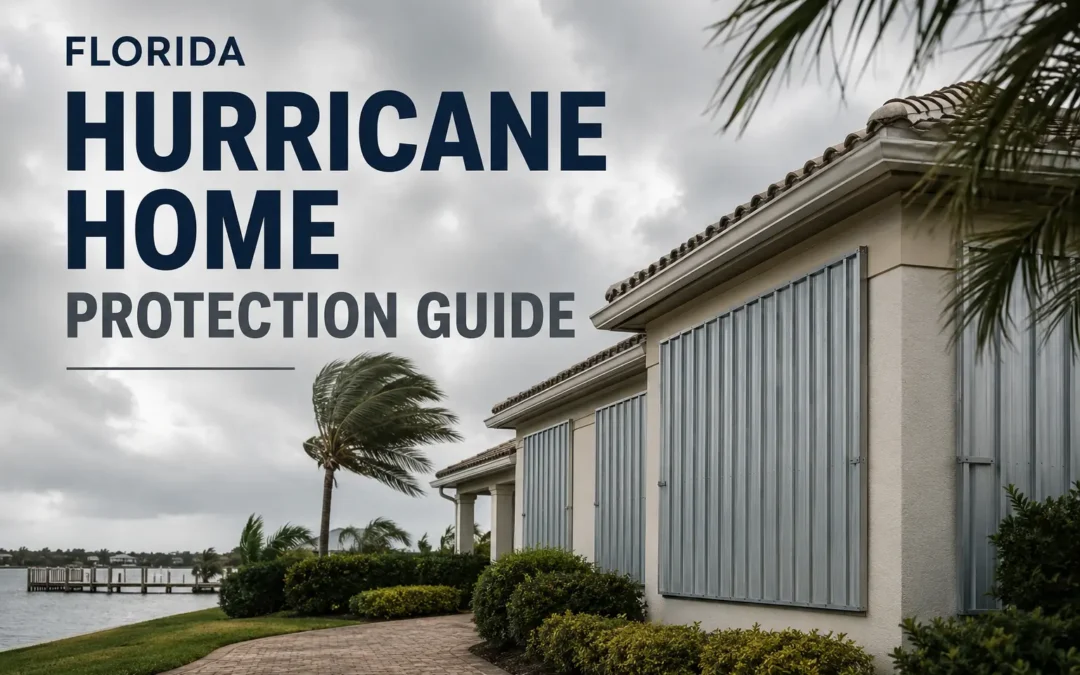
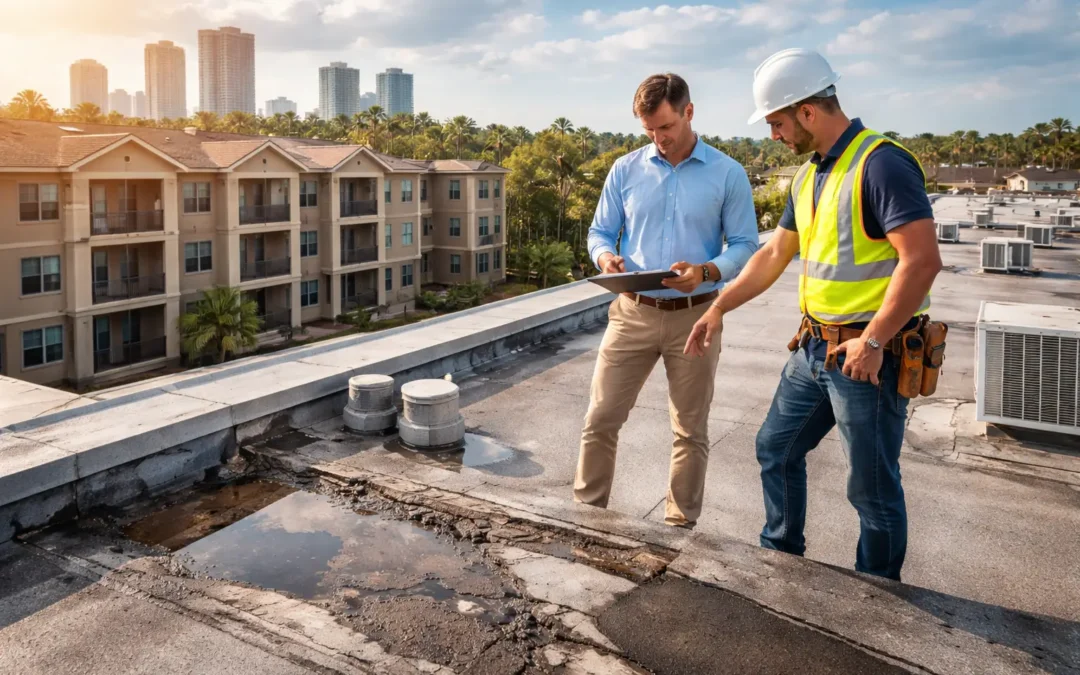
Florida Hurricane Home Protection Guide (2026)

Florida Hurricane Home Protection Guide (2026)

Florida homeowners face some of the most demanding weather conditions in the United States. From hurricanes and tropical storms to heavy rain, wind damage, and flooding, protecting your home is not optional—it’s essential.

This guide explains how to prepare your home for Florida hurricane season, reduce storm damage risks, and improve long-term property resilience in Jacksonville and Northeast Florida.

At Stonebridge Roofing, Energy, and Exteriors, we’ve spent over 30 years helping Florida homeowners strengthen and restore their properties against severe weather events. Our focus is simple: build and protect homes that can withstand Florida’s toughest conditions.

Why Hurricane Preparedness Matters in Florida

Florida’s hurricane season runs from June through November, bringing risks such as:

  • High winds exceeding 100+ mph
  • Wind-driven rain and roof leaks
  • Flying debris damaging siding and windows
  • Storm surge and localized flooding
  • Long-term moisture intrusion and mold growth

Even storms that don’t make direct landfall can cause significant damage in Jacksonville and surrounding coastal areas.

Proper hurricane preparedness helps reduce repair costs, insurance claims, and long-term structural issues.

Florida Hurricane Home Protection Checklist

To protect your home before storm season, Florida homeowners should focus on preventative maintenance and exterior durability:

Roof & Exterior Inspection

  • Check for loose or missing shingles
  • Inspect flashing, ridge caps, and seals
  • Look for signs of water intrusion or soft spots

Drainage & Water Control

  • Clean gutters and downspouts
  • Ensure proper roof drainage flow
  • Check for pooling water near the foundation

Structural Preparation

  • Trim trees and remove weak branches
  • Secure outdoor furniture and loose objects
  • Inspect siding, soffits, and fascia

Storm Readiness Upgrades

  • Impact-resistant roofing materials
  • Hurricane-rated windows or shutters
  • Waterproof exterior systems

Preventative maintenance is one of the most cost-effective ways to reduce storm damage in Florida homes.

Roofing: Your First Line of Defense in a Hurricane

Your roof is the most important barrier between your home and Florida’s extreme weather.

Professional roofing systems designed for hurricane zones include:

  • High-wind-rated shingles and metal roofing systems
  • Reinforced roof decking and fasteners
  • Waterproof underlayment systems
  • Proper flashing and edge sealing

At Stonebridge Roofing, Energy, and Exteriors, we specialize in Florida-ready roofing systems built for durability, energy efficiency, and storm resistance.

Jacksonville Hurricane Preparation Tips

Homeowners in Jacksonville and Northeast Florida should take additional local risks into account:

  • Coastal wind exposure increases roof stress
  • Heavy rainfall can overwhelm drainage systems
  • High humidity accelerates mold after storm damage
  • Older homes may not meet current wind codes

Regular inspections before hurricane season are highly recommended for Jacksonville properties.

What to Do After a Hurricane or Severe Storm

Even if your home appears undamaged, hidden issues may exist.

After a storm, homeowners should:

  • Inspect the roof for lifted shingles or leaks
  • Check attic spaces for moisture
  • Document any visible damage for insurance claims
  • Inspect windows and exterior seals
  • Schedule a professional inspection if needed

Early detection prevents costly long-term repairs such as rot, mold, and structural deterioration.

Florida Home Weather Safety Starts with Preparation

The best way to protect your home is to prepare before storms arrive—not after damage occurs.

Working with experienced local contractors ensures your home is built and maintained for Florida’s unique climate challenges.

Stonebridge Roofing, Energy, and Exteriors provides comprehensive roofing, waterproofing, and exterior protection and emergency services throughout Jacksonville and Northeast Florida.

Call our team of experts today to make sure you are prepared, 904.262.6636.

How do I prepare my home for a hurricane in Florida?

Inspect your roof, clean gutters, secure outdoor items, trim trees, and ensure windows and doors are properly sealed before hurricane season begins.

What is the most important part of hurricane home protection?

Your roof is the most critical component, as it protects against wind, rain, and debris damage.

When is hurricane season in Florida?

Hurricane season runs from June 1 through November 30 each year.

Do I need a roof inspection before hurricane season?

Yes. Annual inspections help identify weak points before storms cause major damage.

What areas near Jacksonville are most affected by hurricanes?

Coastal and low-lying areas in Northeast Florida are most at risk due to wind exposure and storm surge potential.

Jacksonville Roofing Companies: What Property Managers Miss

Jacksonville Roofing Companies: What Property Managers Miss

What Property Managers Miss About Roof Costs (and How to Stay Ahead): Jacksonville Roofing Companies

Most property managers don’t have a roofing problem—they have a timing problem.  Roofs don’t usually fail all at once. They break down slowly, often unnoticed, until a small issue turns into a large and expensive one. By the time a leak shows up inside a unit, the real damage has already been happening for months.  This is where many Jacksonville Roofing Companies come in too late. At Stonebridge Roofing, we work with property managers who want to get ahead of these problems instead of reacting to them.

The Hidden Cost Isn’t the Roof—It’s Everything Around It
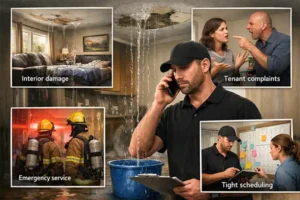
When a roof fails, the cost is rarely just the repair.  What property managers often deal with instead is:

  • Interior damage to units
  • Tenant complaints and disruption
  • Emergency service calls
  • Scheduling pressure under tight timelines

A minor roofing issue can quickly spread into multiple units, especially in multi-family buildings. What could have been a small repair becomes a larger project with more moving parts.  This is why experienced Jacksonville Roofing Companies focus on early detection, not just repairs.

Most Roof Budgets Are Built on Incomplete Information

One of the biggest challenges for property managers is planning ahead. Roofs are often treated as a “replace when needed” item, but without clear data, it’s hard to know when that moment is coming.  The result is uncertainty:

  • Is the roof good for another year—or five?
  • Should you repair or replace?
  • Are you over-spending or under-preparing?

At Stonebridge, we help property managers answer these questions early. Instead of guessing, you get a clear picture of the roof’s condition and expected lifespan.  This allows you to plan instead of react.

Why Waiting Creates More Work, Not Less

It’s easy to delay a roof inspection when there are no visible issues. But in reality, waiting often creates more problems, not fewer.  Small failures—like worn flashing or minor membrane damage—are easy to fix early. Left alone, they allow water to enter the system, which leads to larger and more expensive damage over time.

By the time a tenant reports a leak, the repair is no longer simple.  This is where working with a proactive roofing partner makes a difference. Many Jacksonville Roofing Companies focus on repairs after the fact. Stonebridge focuses on preventing those situations in the first place.

Consistency Matters More Than Price

For property managers, one of the biggest frustrations is inconsistency. Different crews, missed timelines, and unclear communication can create more problems than the roof itself.  Stonebridge is structured differently.  With in-house crews, a dedicated production manager, and field representatives, every project follows a clear process. That means:

  • Fewer delays
  • Clear communication
  • Predictable results

Instead of managing the contractor, you can focus on managing your property.

A Roofing Partner Should Reduce Your Workload

The right roofing company should not create more tasks for you—it should remove them.  At Stonebridge, our goal is to make roofing one less thing you have to think about. That means:

  • Identifying issues before tenants do
  • Providing clear, simple reporting
  • Handling repairs without constant oversight

Many property managers don’t realize how much time is lost managing reactive repairs. Working with the right Jacksonville Roofing Companies changes that.

Local Experience Makes a Difference

Jacksonville properties deal with heat, humidity, and seasonal storms. These conditions affect how roofing systems age and where problems are likely to develop.  A local roofing partner understands:

  • Common failure points in this climate
  • How materials perform over time
  • What to watch for before damage spreads

This allows for more accurate recommendations and better long-term planning.

Stay Ahead Instead of Catching Up

Roofing issues are easier—and less expensive—to manage when they are found early.  Property managers who take a proactive approach:

  • Reduce emergency repairs
  • Improve tenant satisfaction
  • Maintain better control over budgets

Working with experienced Jacksonville Roofing Companies early allows you to stay ahead instead of constantly catching up.

Work With Stonebridge

At Stonebridge Roofing, we help property managers take control of their roofing systems with clear information, consistent service, and a proactive approach.  If you manage properties in Northeast Florida, now is the time to get ahead of potential issues—not wait for them to appear.

Reach out to Stonebridge Roofing to schedule an evaluation and build a plan that works for your properties.

Why Realtors Should Address Roof Issues

Why Realtors Should Address Roof Issues

Why Realtors Should Address Roof Issues Before Listing a Home with Jacksonville Roofing Companies

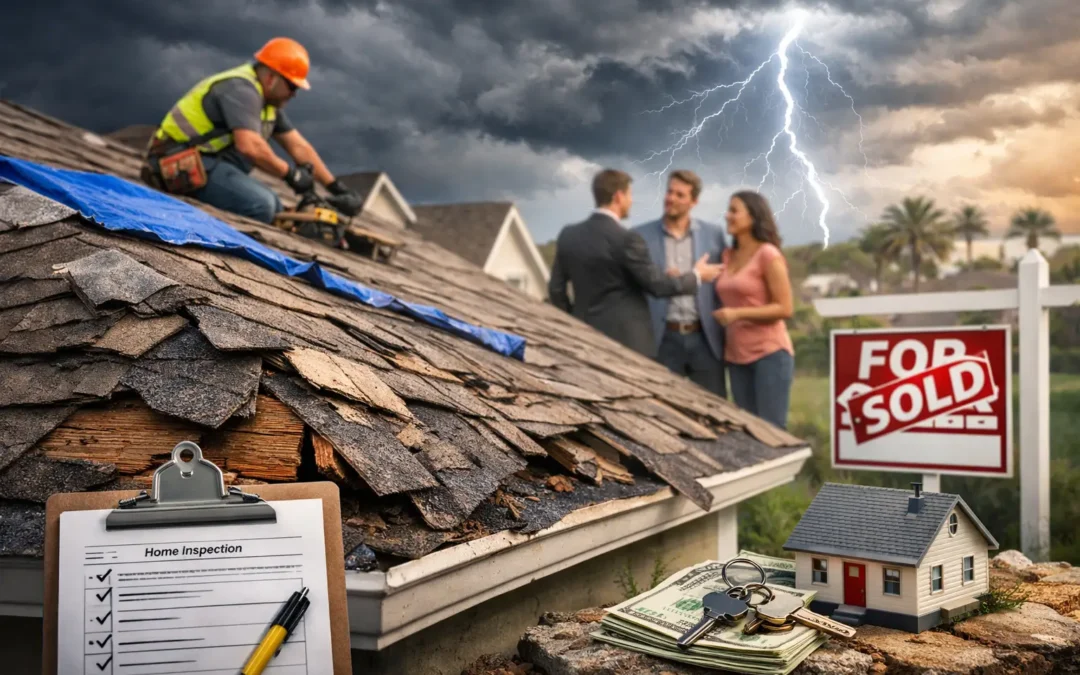
In today’s market, deals are not falling apart because homes are overpriced—they’re falling apart because of surprises.  Across the U.S., about 7.1% of home purchase agreements fail before closing, with inspection issues being one of the top reasons buyers walk away.  In Florida markets like Jacksonville, that risk is even higher due to insurance requirements and property condition concerns.

At Stonebridge Roofing, we’ve seen how roofing issues can delay or completely derail a transaction. That’s why more realtors are working with Jacksonville Roofing Companies before a home hits the market—not after a buyer is already under contract.

Roof Issues Are One of the Top Deal Killers

In Florida, the roof is not just another inspection item—it directly affects whether a deal can close.

Roof condition impacts:

  • Insurance approval
  • Loan eligibility
  • Appraisal value
  • Buyer confidence

Lenders often rely on inspection reports during underwriting, and buyers can renegotiate or cancel based on findings.  Insurance carriers also closely evaluate roof age and condition. In many cases, older roofs can delay or prevent coverage altogether.  When these issues show up late, deals slow down—or fall apart.

Why Pre-Listing Roof Inspections Matter

Real estate professionals are increasingly using pre-listing inspections to avoid last-minute surprises.  According to Florida Realtors, early inspections help eliminate the “shock” that often occurs once a buyer is already under contract.  By addressing roofing concerns early, sellers can:

  • Identify issues before they become negotiation points
  • Price the home more accurately
  • Provide transparency to buyers
  • Keep transactions moving forward

This approach gives realtors more control over the process.

Roof Condition Impacts Sale Speed and Value

Roof condition doesn’t just affect inspections—it directly impacts how quickly and profitably a home sells.

  1. Homes with newer roofs can sell 15–30% faster in Florida markets
  2. Roofing improvements often return 60%–68% of their cost at resale
  3. A strong roof can increase perceived home value significantly

On the other hand, aging or damaged roofs often lead to:

  • Price reductions
  • Longer time on market
  • Increased buyer hesitation

Why Waiting Until You Have a Buyer Is Risky
Once a home is under contract, your flexibility is gone.  If roofing issues are discovered during the inspection period:

  • Buyers may demand credits or repairs
  • Insurance requirements can delay closing
  • Negotiations become reactive instead of strategic
  • Buyers can walk away entirely

How Stonebridge Supports Realtors Early

Not all roofing contractors in Jacksonville are structured to support real estate timelines. Stonebridge is.  We work with realtors at the listing stage to provide:

  • Fast roof evaluations, often within 24 hours
  • Clear, honest assessments of roof condition and lifespan
  • Documentation to support pricing and negotiations
  • Guidance on repair versus replacement decisions
  • We provide the documentation needed for 4-point inspections, helping buyers secure coverage without delays.

This allows you to move forward with clarity instead of uncertainty.

Helping You Stay in Control of the Deal

A pre-listing roof inspection puts you in control. Instead of reacting to a buyer’s inspection report, you can:

  • Set expectations upfront
  • Eliminate last-minute surprises
  • Provide documentation to buyers and lenders
  • Reduce the risk of delays or cancellations

Buyers are more confident when they see transparency and preparation.

Work With a Roofing Partner Who Understands Real Estate
In a market where more deals are falling apart, small issues can have a big impact.  Working with experienced Jacksonville Roofing Companies early in the process helps protect your transactions, your clients, and your time.
At Stonebridge Roofing, we help realtors:

  • Identify risks early
  • Keep deals moving
  • Close with fewer complications
  • Work With Stonebridge

If you have a new listing or suspect roofing concerns, now is the time to act.
Reach out to Stonebridge Roofing for a fast, professional evaluation—so you can move forward with confidence and keep your deal on track.


Granule Loss and Heavy Rain: What Homeowners Should Know

Granule Loss and Heavy Rain: What Homeowners Should Know

Granule Loss and Heavy Rain: What Homeowners Should Know

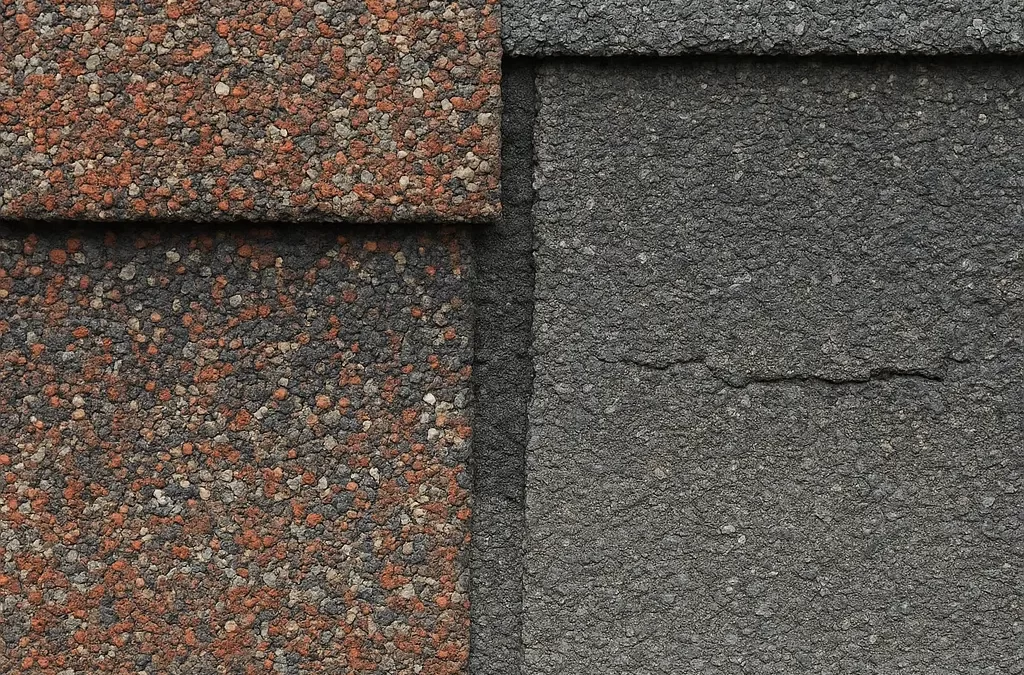
Your roof is the shield of your home. It keeps out the sun, the wind, and the rain. But even the strongest shield can wear down over time. One of the clearest signs of roof wear is granule loss on asphalt shingles. Granules are the small, rough particles that cover each shingle. They may look simple, but they do important work. Granules protect the shingle’s asphalt layer from the sun, help water run off, and even add fire resistance. When they start to fall away, your roof becomes more open to damage. This is especially true when heavy rain is on the way.


Why Granules Matter in a Storm

Granules are like armor for your roof. Without them, the asphalt underneath is exposed. Rainwater can hit directly on the bare asphalt, which absorbs moisture instead of shedding it. Over time, this makes shingles weaker, more brittle, and more likely to crack.

During heavy rain, the problem gets worse. Rain can:

  • Wash away loose granules. Aging or storm-worn shingles may lose granules faster in downpours.
  • Expose bare spots. Areas with missing granules soak in more water, speeding up wear.
  • Cause leaks. Without granules, shingles don’t shed water as well, so it can pool or sneak under the roof.

If your roof is already showing signs of wear, one strong rainstorm can push it closer to failure.


How Rain Speeds Up Granule Loss

A little granule loss is normal, especially when a roof is brand new. But heavy rain puts extra stress on shingles. Here’s how:

  • Gutters fill up fast. After a storm, check your gutters. If you see piles of dark sand-like particles, those are roof granules. A few is fine. A lot means the shingles are breaking down.
  • Wind and water together. Rain is often paired with strong winds. Wind lifts at the edges of shingles, while rain pounds from above, knocking more granules loose.
  • Repeat cycles. One storm may not ruin a roof, but storm after storm strips more granules away. Once enough are gone, shingles lose their protective layer and age quickly.

Roof Age and Storm Risk

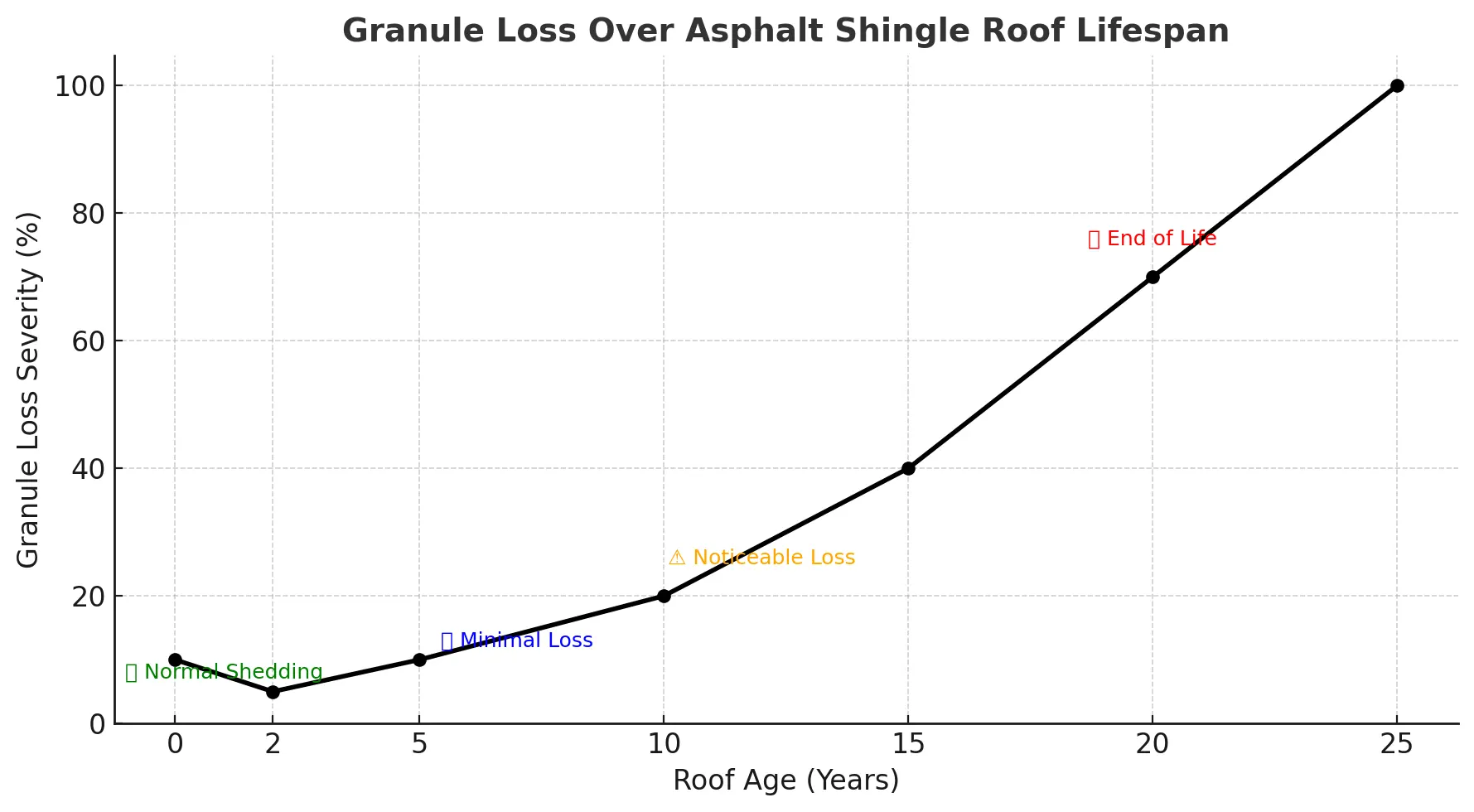
Granule loss becomes more serious as a roof gets older:

  • 0–2 years: Light shedding is normal after install. Heavy rain won’t hurt much.
  • 5–10 years: Most roofs still have good protection, but strong storms may leave more granules in gutters.
  • 10–15 years: Granule loss speeds up. Storms can create bald spots and expose asphalt.
  • 15–25 years: Roofs at this stage often show major wear. Heavy rain makes leaks far more likely.

If your roof is over 10 years old, it’s smart to be extra watchful during storm season.


The Importance of Roof Inspections

This is where roof inspections play a key role. Many homeowners don’t notice granule loss until water is already leaking inside. By then, repairs can be costly. A professional inspection before or after a storm can reveal:

  • Bald spots or shiny asphalt showing on shingles
  • Granules building up in gutters and downspouts
  • Soft spots or water stains in the attic
  • Storm damage that may not be visible from the ground

Regular inspections give peace of mind and let you catch problems before they grow.


When to Call Roofing Companies

If you see lots of granules in gutters after a rainstorm, or if your roof is over 10 years old, call local roofing companies for help. They can check if your roof is still safe or if repairs or replacement are needed. The right company will have experience in your area and know how local storms affect roofs. They’ll also be able to tell you whether the damage is from normal aging, or if it qualifies for insurance coverage due to storm impact. Stonebridge offers Free Roof Inspections to help you discover issues early before they become big problems. 


Protect Your Home Before the Next Storm

Granule loss may seem small, but when heavy rain hits, it becomes a bigger threat. Missing granules mean less protection, higher chances of leaks, and a roof that ages faster than it should.

Don’t wait until water drips into your home. Keep an eye on your gutters, watch for bald spots on shingles, and schedule regular roof inspections. Trusted roofing companies can help you get ahead of problems before the next storm rolls in.  Contact us for a free roof inspection now.

Click to view chart.

Custom Shingle Colors

Custom Shingle Colors

Tired of the same old grays and browns up top? Ready to let your roof reflect your true inner sparkle? At Stonebridge Roofing, we believe your roof should be more than functional—it should be fabulous. That’s why, starting today (April 1), we’re proud to announce our exclusive line of Custom Mood-Match Shingles™.

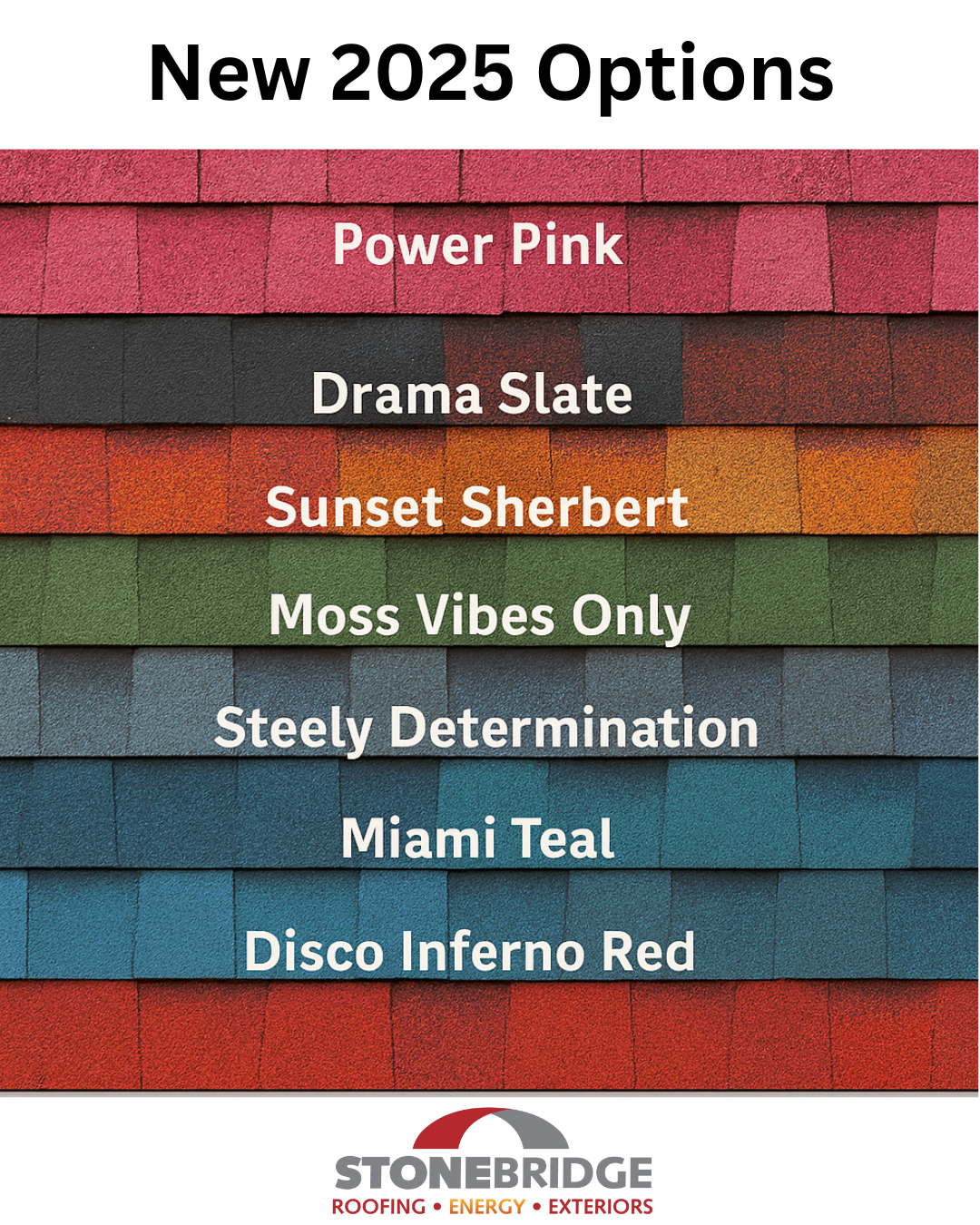
Gone are the days of boring rooftops. Our new color options are designed to help your house stand out in a sea of beige and blend in nowhere:

 🌈 Shingle Color Options Include:

  • Power Pink – For the home that runs on caffeine and confidence
  • Drama Slate – Mysterious. Brooding. Will ghost you.
  • Sunset Sherbert – Because you want your neighbors to think you live inside a creamsicle
  • Moss Vibes Only – Earthy. Moody. Cottagecore AF.
  • Steely Determination – For those who want their roof to say: “I negotiate hard.”
  • Miami Teal – Like Florida, but without the gators
  • Disco Inferno Red – For homes that were born to boogie

💡 Bonus Add-On: Shingle Mood Detection™

Our premium package includes solar-powered shingles that change color with your emotions. (Or the weather. Or just randomly. We’re still testing.)  Feeling blue? So is your roof. Had a great day? It radiates golden glow. Bad break-up? Your shingles turn full-on revenge red. Therapeutic and dramatic.

🎤 But Wait—There’s More:

We’re also rolling out themed roofing palettes:

  • "Coastal Grandma Chic" – Light, breezy, and smells faintly of sea salt and lemon bars.
  • "Gothic Tudor on a Budget" – For the moody castle vibes, but with modern asphalt prices.
  • "Barbie Dream Roof" – All pink, all powerful, no apologies.
  • “Stonebridge didn’t just redo my roof—they gave my house a whole new attitude.”
  •  Definitely not a fake review from our marketing manager’s cousin.

 🚫 A Note to HOA Presidents

Yes, we understand this *might* cause some controversy. But we believe in freedom of self-expression—even in roofing. Plus, our new line comes with a complimentary "It’s Just a Phase" sign to hang in your yard while the neighborhood adjusts.

So, are you ready to ditch boring shingles and live your most rooflective life?  Give us a call today and ask about our April 1st Color Collection. And if you're still reading this... happy April Fools' from your favorite local roofing crew at Stonebridge Roofing & Construction 😄

PS: We do offer real shingle options too… just maybe not the glitter ones.