Florida Hurricane Home Protection Guide (2026)
Florida homeowners face some of the most demanding weather conditions in the United States. From hurricanes and tropical storms to heavy rain, wind damage, and flooding, protecting your home is not optional—it’s essential.
This guide explains how to prepare your home for Florida hurricane season, reduce storm damage risks, and improve long-term property resilience in Jacksonville and Northeast Florida.
At Stonebridge Roofing, Energy, and Exteriors, we’ve spent over 30 years helping Florida homeowners strengthen and restore their properties against severe weather events. Our focus is simple: build and protect homes that can withstand Florida’s toughest conditions.
Why Hurricane Preparedness Matters in Florida
Florida’s hurricane season runs from June through November, bringing risks such as:
- High winds exceeding 100+ mph
- Wind-driven rain and roof leaks
- Flying debris damaging siding and windows
- Storm surge and localized flooding
- Long-term moisture intrusion and mold growth
Even storms that don’t make direct landfall can cause significant damage in Jacksonville and surrounding coastal areas.
Proper hurricane preparedness helps reduce repair costs, insurance claims, and long-term structural issues.
Florida Hurricane Home Protection Checklist
To protect your home before storm season, Florida homeowners should focus on preventative maintenance and exterior durability:
Roof & Exterior Inspection
- Check for loose or missing shingles
- Inspect flashing, ridge caps, and seals
- Look for signs of water intrusion or soft spots
Drainage & Water Control
- Clean gutters and downspouts
- Ensure proper roof drainage flow
- Check for pooling water near the foundation
Structural Preparation
- Trim trees and remove weak branches
- Secure outdoor furniture and loose objects
- Inspect siding, soffits, and fascia
Storm Readiness Upgrades
- Impact-resistant roofing materials
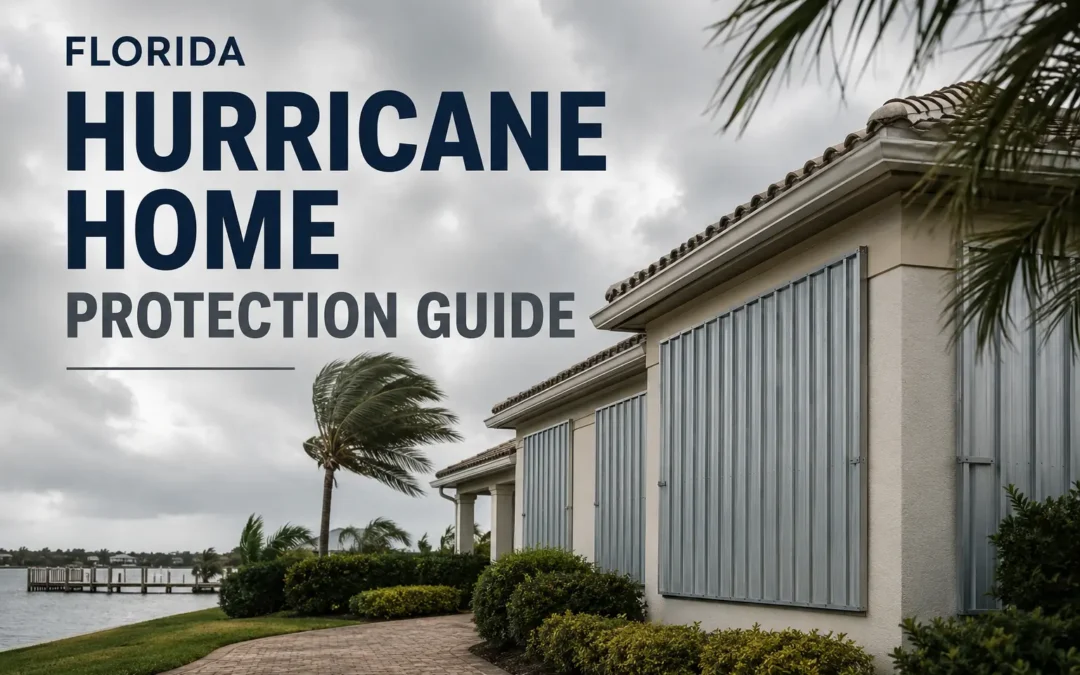
- Hurricane-rated windows or shutters
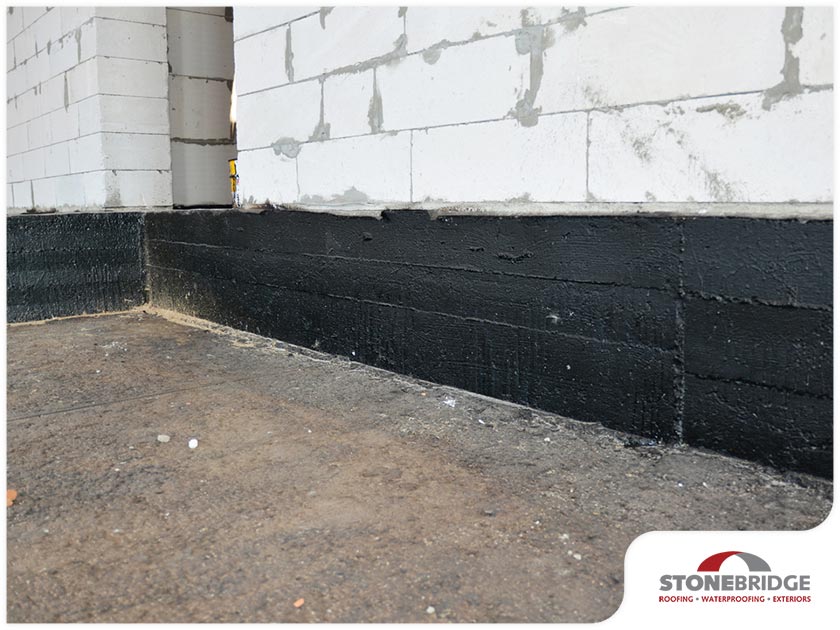
- Waterproof exterior systems
Preventative maintenance is one of the most cost-effective ways to reduce storm damage in Florida homes.
Roofing: Your First Line of Defense in a Hurricane
Your roof is the most important barrier between your home and Florida’s extreme weather.
Professional roofing systems designed for hurricane zones include:
- High-wind-rated shingles and metal roofing systems
- Reinforced roof decking and fasteners
- Waterproof underlayment systems
- Proper flashing and edge sealing
At Stonebridge Roofing, Energy, and Exteriors, we specialize in Florida-ready roofing systems built for durability, energy efficiency, and storm resistance.
Jacksonville Hurricane Preparation Tips
Homeowners in Jacksonville and Northeast Florida should take additional local risks into account:
- Coastal wind exposure increases roof stress
- Heavy rainfall can overwhelm drainage systems
- High humidity accelerates mold after storm damage
- Older homes may not meet current wind codes
Regular inspections before hurricane season are highly recommended for Jacksonville properties.
What to Do After a Hurricane or Severe Storm
Even if your home appears undamaged, hidden issues may exist.
After a storm, homeowners should:
- Inspect the roof for lifted shingles or leaks
- Check attic spaces for moisture
- Document any visible damage for insurance claims
- Inspect windows and exterior seals
- Schedule a professional inspection if needed
Early detection prevents costly long-term repairs such as rot, mold, and structural deterioration.
Florida Home Weather Safety Starts with Preparation
The best way to protect your home is to prepare before storms arrive—not after damage occurs.
Working with experienced local contractors ensures your home is built and maintained for Florida’s unique climate challenges.
Stonebridge Roofing, Energy, and Exteriors provides comprehensive roofing, waterproofing, and exterior protection and emergency services throughout Jacksonville and Northeast Florida.
Call our team of experts today to make sure you are prepared, 904.262.6636.
How do I prepare my home for a hurricane in Florida?
Inspect your roof, clean gutters, secure outdoor items, trim trees, and ensure windows and doors are properly sealed before hurricane season begins.
What is the most important part of hurricane home protection?
Your roof is the most critical component, as it protects against wind, rain, and debris damage.
When is hurricane season in Florida?
Hurricane season runs from June 1 through November 30 each year.
Do I need a roof inspection before hurricane season?
Yes. Annual inspections help identify weak points before storms cause major damage.
What areas near Jacksonville are most affected by hurricanes?
Coastal and low-lying areas in Northeast Florida are most at risk due to wind exposure and storm surge potential.