
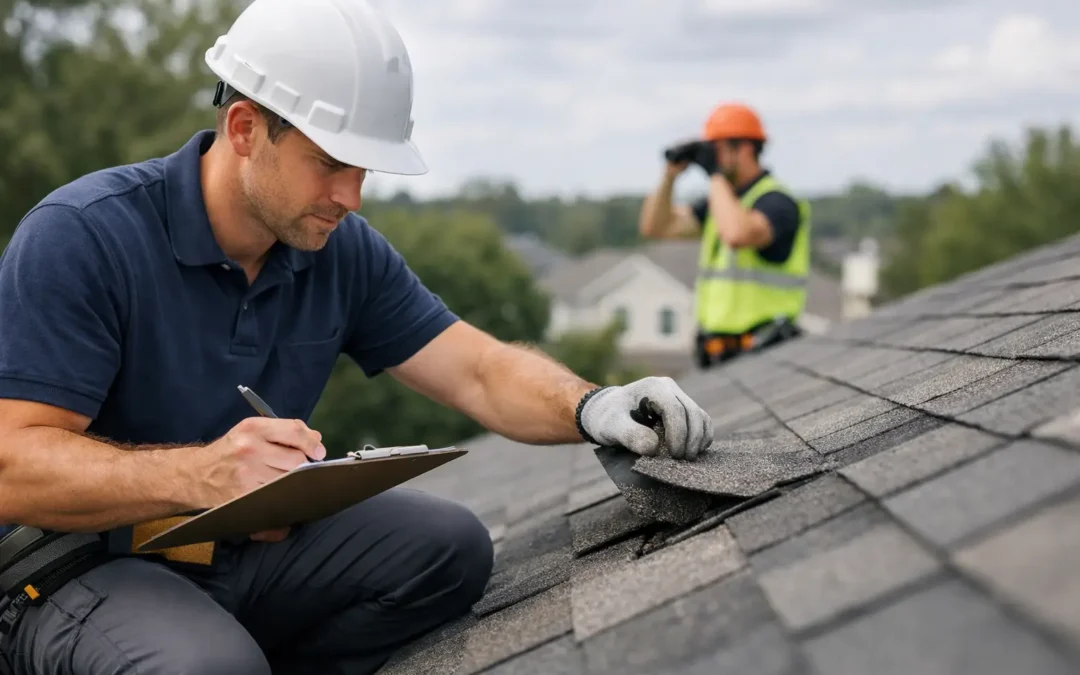
A water stain on a bedroom ceiling is rarely where a roofing problem begins. In Jacksonville, wind-driven rain can work beneath lifted shingles, loose flashing, or cracked pipe boots long before moisture becomes visible indoors. A free roof inspection Jacksonville property owners schedule at the first sign of concern can identify those weak points while repair options are still straightforward.
Florida roofs work hard. They absorb intense sun, heavy afternoon rain, humidity, salt-influenced air in coastal areas, and the pressure of tropical storms. Whether your roof is showing obvious damage or simply reaching an age where questions are reasonable, a professional inspection gives you a clear picture of its condition and the next practical step.
What a free roof inspection in Jacksonville should include
A useful inspection is more than a quick look from the driveway. A qualified roofing professional should examine the roof surface, transitions, drainage areas, penetrations, and visible interior evidence of moisture. The goal is to determine whether the roof needs a targeted repair, maintenance, storm-related service, or planning for replacement.
On an asphalt shingle roof, that may mean checking for lifted, missing, cracked, or granule-worn shingles. On tile roofs, the inspection should look for cracked, displaced, or slipped tiles, as well as the condition of underlayment beneath vulnerable areas. Metal roofing requires attention to panels, fasteners, sealants, flashing, and signs of corrosion or movement.
The details matter as much as the field of the roof. Flashing around chimneys, walls, skylights, vents, and valleys often prevents water intrusion. Pipe boots can dry out and crack under the Florida sun. Gutters and roof edges can reveal drainage problems that contribute to rot or staining. An experienced inspector connects these small observations to the way water and wind actually move across your property.
Inside the building, visible ceilings, attic decking, insulation, and ventilation can offer important clues. A stain does not always point directly to the entry point, and not every leak appears during a light rain. Careful assessment helps avoid guessing and reduces the risk of repairing the symptom while leaving the cause in place.
When to schedule a roof inspection
You do not need to wait for a ceiling leak to request an inspection. In Northeast Florida, a proactive check is often the more cost-conscious choice, particularly after severe weather or when a roof is entering the later portion of its expected service life.
Schedule an inspection after a named storm, a period of high winds, or hail in your neighborhood, even if the roof looks intact from the ground. Wind damage can be subtle. A shingle may remain attached while its seal has broken, leaving it more vulnerable during the next storm. Tile can shift enough to expose underlayment without creating an immediate interior leak.
It is also wise to arrange an inspection if you notice shingle pieces or granules around the home, cracked or missing tiles, a sagging roofline, damp attic insulation, peeling exterior paint near the roof edge, or unexplained increases in indoor humidity. These signs do not automatically mean you need a full roof replacement. They do mean the roof deserves professional attention.
Homebuyers, sellers, and commercial property managers can also benefit from a condition assessment before a major transaction or capital-planning decision. Knowing the roof’s current condition, likely repair needs, and remaining service potential supports a more informed budget.
What happens after the inspection
The right recommendation depends on the roof’s condition, its age, the material, and the source of any damage. A dependable contractor should explain what was found in plain language and distinguish between immediate concerns and items to monitor.
A localized issue such as damaged flashing, a failed vent boot, or a small area of wind-lifted shingles may be suited to repair. Prompt repairs can protect the roof deck and interior finishes while preserving more of the roof’s useful life. Preventative maintenance may be appropriate for roofs with minor wear, debris buildup, or sealant issues that have not yet led to water intrusion.
Replacement becomes a more reasonable conversation when repairs would be widespread, the roof has recurring leaks, the underlying materials are deteriorated, or the system is close to the end of its expected life. In that case, a thorough estimate should cover the roofing system, not just the visible shingles or tiles. Underlayment, ventilation, flashing, decking repairs if needed, and installation standards all affect long-term performance.
For owners considering a reroof, this can also be the time to evaluate upgrades. Impact-resistant materials, improved attic ventilation, and integrated solar roofing may make sense for some homes. The trade-off is upfront investment, so the decision should be based on your goals, roof orientation, energy use, and the condition of the existing system rather than a one-size-fits-all recommendation.
Why Jacksonville weather changes the inspection process
Jacksonville roofs face a combination of stressors that calls for local experience. Summer heat accelerates wear on shingles, sealants, and exposed components. Sudden rain can test drainage and flashing in minutes. Hurricane season brings the possibility of wind-driven rain that finds openings a typical shower may not expose.
That is why a roof that appears acceptable from the street can still need attention. Roof slopes, valleys, low-slope sections, transitions between additions, and areas around equipment or solar components deserve close review. Commercial roofs require similar care, with added attention to seams, penetrations, drains, ponding water, and rooftop mechanical units.
A local contractor also understands that the best material is not simply the most expensive option. It is the system that fits the building, is installed correctly, and is supported by appropriate manufacturer warranties. Credentials matter here. GAF Master Elite® certification, held by fewer than 2% of roofing contractors nationwide, reflects ongoing training and access to enhanced warranty options when eligible systems are installed.
How to get real value from a no-obligation inspection
A free inspection should leave you better informed, not pressured. Before the appointment, make note of when you first saw the issue, whether it occurs during certain weather, and any repairs the roof has had in the past. If possible, keep photos of visible interior staining or exterior damage taken after a storm.
During the visit, ask what is causing the concern, whether the issue is active, and what could happen if it is delayed. Ask whether a repair is expected to match the remaining life of the roof or simply provide short-term protection. If replacement is recommended, request a clear explanation of why repair is not the better value.
You should also understand what is included in any proposed work. A complete roofing scope may involve tear-off, underlayment, flashing, ventilation, cleanup, and permit considerations. Good communication at this stage prevents surprises later and makes it easier to compare estimates fairly.
Be cautious of anyone who offers a diagnosis without a close inspection, promises to cover every insurance deductible, or pushes you to sign immediately after a storm. Storm damage can create urgency, especially when water is entering the building, but urgency is not a reason to skip documentation and clear answers.
Protect the roof before a small problem spreads
If an inspection finds active water intrusion, temporary protection may be needed while a permanent repair is scheduled. Emergency tarping can limit additional water exposure after a storm, but it is not a substitute for repairing the underlying failure. The sooner the source is addressed, the less likely moisture is to damage decking, insulation, drywall, or electrical components.
Stonebridge approaches inspections as the starting point for protecting your property, not as a reason to sell work you do not need. Whether the answer is a focused repair, routine maintenance, emergency service, or a planned replacement, you deserve a recommendation built around the roof’s actual condition.
A roof does not need to be leaking through the ceiling to need attention. Give it a professional look before the next hard Jacksonville rain gives a small weakness a chance to become a larger repair.