
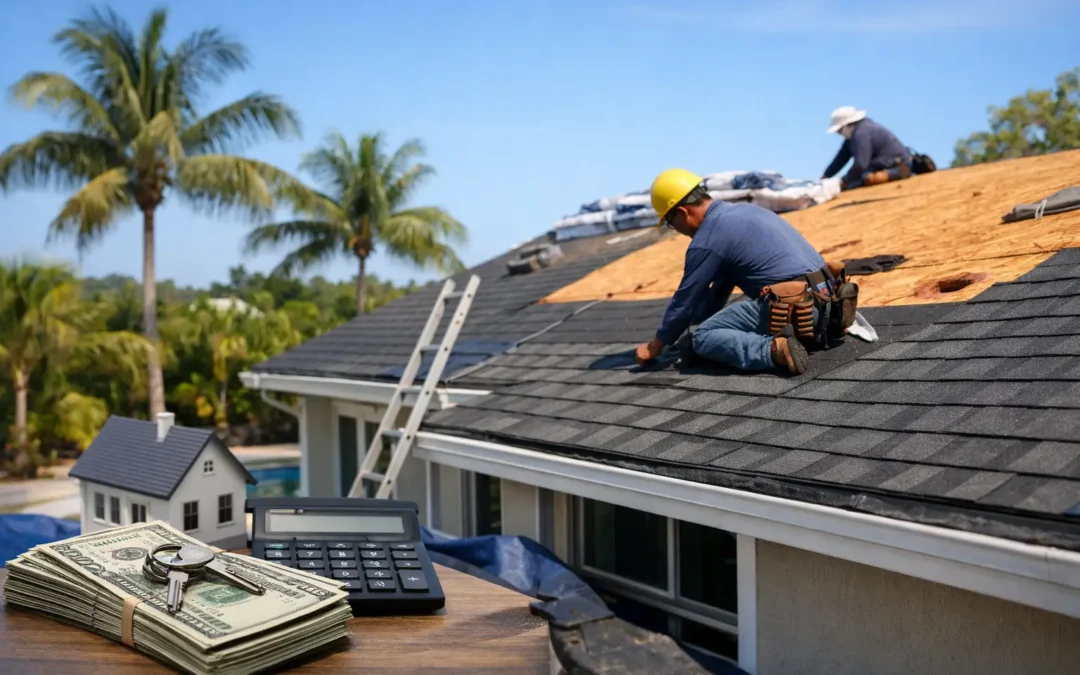
A roof leak after a hard Florida rain rarely arrives at a convenient time. If you are asking, is reroofing financed, the practical answer is yes: many homeowners finance a roof replacement or reroofing project rather than paying the entire cost at once. The right option depends on your credit profile, project scope, insurance situation, and how quickly your roof needs attention.
For Jacksonville-area homeowners, financing can turn an urgent protection issue into a manageable monthly investment. It can also help proactive owners replace an aging roof before wind-driven rain, lifted shingles, failing flashing, or a hurricane exposes the home to more costly damage.
Is Reroofing Financed Through a Roofing Contractor?
Many established roofing contractors offer financing through third-party lending partners. After reviewing the project estimate, eligible homeowners can apply for a loan that may cover all or part of the work. Depending on the lender and promotion available, terms may include fixed monthly payments, deferred-interest offers, or longer repayment periods.
Contractor-arranged financing is often convenient because the roof estimate and financing process are coordinated in one place. That does not mean every financing offer is identical. Interest rates, loan lengths, origination fees, payment timing, and early payoff terms can vary considerably. Ask for the full financing disclosure before signing, and make sure you understand what the payment becomes after any promotional period ends.
Stonebridge offers financing options because a quality roof is not a project most property owners should postpone solely because the full cost is not sitting in a savings account. The goal is to provide a clear path to durable protection, not pressure homeowners into a payment they have not fully reviewed.
Reroofing and roof replacement are not always the same project
Homeowners often use “reroofing” to mean any new roof installation. Technically, reroofing can sometimes mean placing a new layer of shingles over an existing layer. A full roof replacement involves removing the old roofing materials, inspecting the roof deck, and installing a new roofing system.
The distinction matters in Northeast Florida. A roof may need full replacement when there are existing multiple layers, damaged decking, moisture concerns, significant storm damage, or material-specific requirements. A complete replacement can cost more upfront, but it gives the contractor an opportunity to inspect the structure beneath the roof covering and address hidden issues properly. Financing can be used for either type of project when offered by the lender, but the estimate should clearly state which scope of work you are financing.
Financing Options for a New Roof
There is no single best way to finance a roof. The most appropriate option is the one that balances payment comfort, total borrowing cost, and the urgency of the work.
A contractor financing program can be a straightforward option for an owner who wants one coordinated process and a defined project amount. These loans are commonly unsecured, meaning your home is not used as collateral, though approval terms may depend on income, credit history, and other lender criteria. Because the loan is unsecured, rates can be higher than some home-secured options.
A home equity loan or home equity line of credit may offer a lower rate for qualified homeowners with sufficient equity. The trade-off is a longer application process and the fact that the home secures the borrowing. This may fit a planned replacement or a larger exterior improvement project, but it is not always practical when a leak requires immediate action.
A personal loan may be useful when you want to compare lenders independently or need a fast decision. Terms vary widely, so compare the annual percentage rate, not only the advertised monthly payment. A lower monthly payment over a much longer term can cost more in total interest.
Credit cards can work for a smaller repair, deductible, or short-term funding gap, particularly if you can repay the balance during a legitimate introductory-rate period. For a full roof replacement, however, high standard credit card rates can make this one of the more expensive choices if the balance remains for long.
Some homeowners also combine methods. For example, insurance proceeds may cover a portion of storm-related damage while financing helps cover the deductible, approved upgrades, or work that falls outside the claim. Keep those funds and invoices clearly documented so you understand exactly what insurance is paying and what you are borrowing.
What Roof Financing Can Cover
A good roofing estimate should account for more than visible shingles. Financing may be available for the complete approved project, which can include tear-off and disposal, underlayment, flashing, ventilation, decking repairs, new shingles or tile, permit-related requirements, and gutters or exterior work when included in the contract.
This is especially valuable when an inspection finds issues that were not visible from the ground. Replacing only the surface material while ignoring deteriorated flashing or compromised decking can leave a homeowner with a new-looking roof and unresolved water risk. A detailed scope protects against surprises and lets you finance the work that actually needs to be done.
How to Compare Roof Financing Offers
A financing offer should make financial sense as well as provide a manageable payment. Before you choose, compare the annual percentage rate, the number of payments, the total amount repaid, any fees, and whether there is a prepayment penalty. Also confirm when the first payment is due and whether the loan funds the contractor directly or pays you.
Promotional offers deserve special attention. “No interest if paid in full” is different from “0% interest for a set term.” In a deferred-interest arrangement, failing to pay the entire promotional balance by the deadline can result in interest being charged under the lender’s terms. Read that language closely and only choose the promotion if your budget supports the payoff plan.
It is also wise to separate the financing decision from the contractor decision. A low payment cannot make up for incomplete work, weak materials, or an unverified installer. In Florida, your roof must perform through intense sun, heavy rain, wind, and storm seasons. Look for a detailed written estimate, proven manufacturer relationships, appropriate licensing and insurance, workmanship accountability, and warranty options that match the roofing system.
Insurance Claims Are Different From Financing
After a storm, homeowners sometimes assume an insurance claim is the same as roof financing. They are different. Insurance may pay for covered, documented damage under the policy, less the deductible and subject to the insurer’s decision. Financing is borrowed money that you repay over time.
Do not sign an assignment, contract, or financing agreement simply because someone says they can “get the roof covered.” Start with a professional inspection, review your policy and deductible, and understand the work scope before making commitments. If temporary tarping or emergency repairs are needed to prevent additional damage, act promptly and retain photos, invoices, and communication records.
For an aging roof with normal wear, insurance may not provide coverage. Financing can be particularly useful in that situation because it allows you to replace a roof on a schedule that protects the property instead of waiting for a small problem to become interior water damage.
Choosing a Payment Plan You Can Live With
Your roof is a long-term investment, but the payment should still fit comfortably into your household or property budget. Consider the monthly loan payment alongside insurance premiums, emergency savings, planned maintenance, and any other major projects on the horizon. If the payment feels tight, ask whether a different term, a larger down payment, or a phased approach to nonessential exterior upgrades would be more sensible.
For commercial owners, the same principle applies with added attention to tenant operations, lease obligations, capital budgets, and the consequences of a roof failure. Financing may preserve working capital, but only if the repayment schedule aligns with the property’s cash flow.
A thorough roof inspection and transparent estimate give you the information needed to make that decision without guesswork. Whether the project is driven by storm damage, persistent leaks, or a roof nearing the end of its service life, the best next step is to choose a durable solution and a payment plan that lets you protect the property with confidence.