
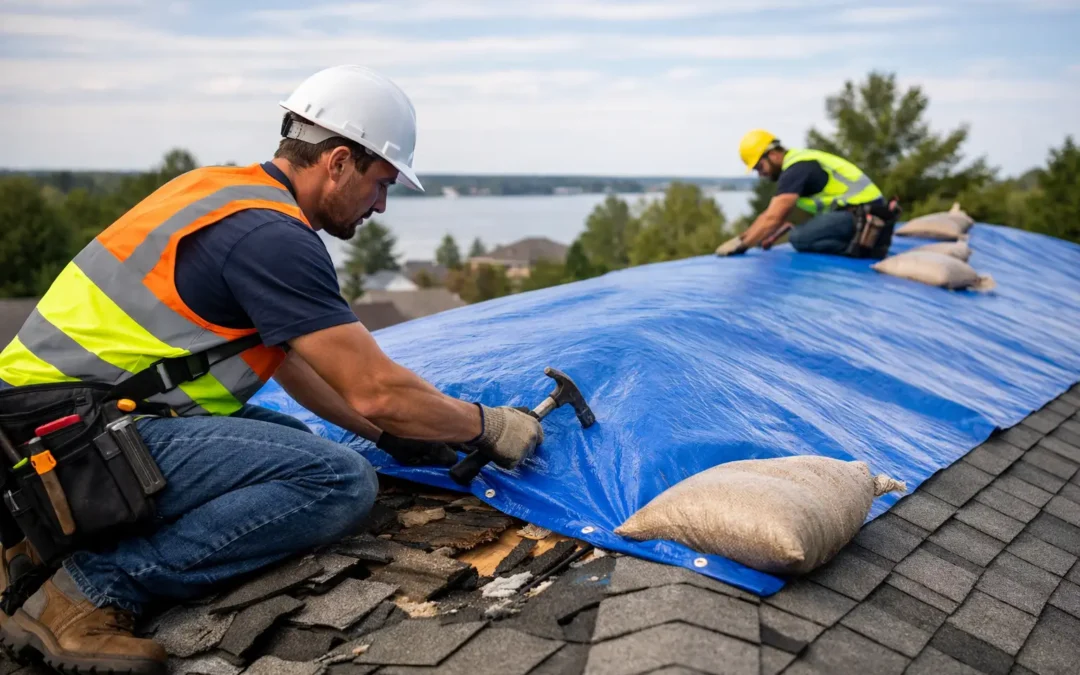
A roof leak can turn from a ceiling stain into soaked insulation, damaged drywall, and ruined belongings in a single Northeast Florida storm. When shingles, tiles, flashing, or roof decking have been compromised, a prompt roof tarping service Jacksonville property owners can rely on may be the most effective way to limit further water intrusion while a permanent repair plan is prepared.
A properly installed emergency tarp is not a cosmetic cover or a substitute for roof repair. It is a temporary protective measure designed to direct rain away from the damaged area, stabilize the roof until it can be assessed safely, and help protect the structure beneath it. The quality of that temporary work matters, especially when the next round of wind-driven rain is already on the forecast.
When a Roof Tarping Service in Jacksonville Is Needed
Not every roof issue requires a tarp. A small, isolated leak on an otherwise dry, stable roof may be better addressed through a scheduled repair. But after a severe thunderstorm, tropical system, falling branch, or sudden structural failure, tarping can buy valuable time and prevent a manageable repair from becoming a much larger restoration project.
Call for emergency assessment when you see active water entering the home or building, missing shingles or tiles, exposed underlayment, punctured roof material, visible decking, or debris that has struck the roof. A tarp may also be appropriate if water is entering around a vent, chimney, skylight, or damaged flashing and conditions make an immediate permanent repair unsafe or impractical.
Inside, look for fresh ceiling discoloration, dripping water, bubbling paint, or damp insulation in the attic. These signs do not always identify the exact point of entry. Water can travel along decking, rafters, and framing before it becomes visible indoors. That is why a professional roof inspection is more reliable than covering only the spot where the leak appears.
For commercial properties, the urgency can be even greater. A roof opening above offices, inventory, equipment, or tenant spaces can interrupt operations and expose the owner to escalating interior damage. Temporary protection should be tailored to the roof system, drainage paths, roof access, and the extent of the affected area.
What Professional Roof Tarping Actually Does
A tarp works by creating a temporary water-shedding layer over a compromised portion of the roof. It should extend beyond the visible damage, be positioned to follow the roof slope, and be secured without creating unnecessary new penetrations or weak points. The goal is to keep water moving down and off the roof rather than allowing it to collect beneath the cover.
Professional crews begin by evaluating safety and the scope of damage. Loose materials, unstable decking, steep slopes, wet surfaces, and active wind all change the approach. In some cases, the safest decision is to stabilize the area and return for more extensive work once conditions improve. Responsible emergency service is not about taking shortcuts to get on a roof during dangerous weather.
The tarp material and fastening method should fit the roof and the anticipated weather exposure. A lightweight cover that is loosely secured may shift or tear in strong wind. Overly aggressive fastening can also cause additional damage if it is done without care. Experienced roofers understand how to balance temporary weather protection with the need to preserve the roof for permanent repairs.
Just as important, a tarp allows the contractor to document visible storm damage and identify what will be needed next. That may mean replacing a limited section of shingles, repairing flashing, replacing broken tile, addressing damaged decking, or recommending a larger roof replacement if the system is already near the end of its service life.
Why Jacksonville Roofs Need Fast, Careful Protection
Jacksonville roofs face a demanding mix of intense sun, heavy seasonal rain, high humidity, hurricane threats, and sudden thunderstorms. Wind can lift shingle edges and loosen fasteners. Flying limbs can fracture tile or puncture asphalt roofing. Once water gets beneath the outer roofing material, it can affect underlayment, wood decking, insulation, and interior finishes.
Delaying action has consequences that are not always immediately visible. Moisture trapped in an attic or wall cavity can encourage mold growth and wood deterioration. Wet insulation loses performance. A small opening can widen as repeated rain and wind work against already weakened materials.
Still, urgency should not push property owners into hiring the first person who offers to place a tarp. Storm-chasing contractors and unverified crews may provide a quick cover without a clear assessment, proper safety practices, proof of insurance, or a plan for permanent repairs. Ask who will perform the work, how the damage will be documented, what the tarp covers, and what follow-up is recommended.
What to Do Before the Roofing Crew Arrives
Your first priority is personal safety. Do not climb onto a wet roof, walk near sagging ceilings, or attempt to remove debris that is tangled in power lines. Even a one-story roof can become extremely hazardous after a storm, particularly when damaged materials and wet surfaces are involved.
From the ground, take clear photos of visible roof damage if it is safe to do so. Inside, move furniture, electronics, and valuables away from the leak. Place containers under active drips and use towels to contain water on hard surfaces. If a ceiling is bulging with collected water, keep people out of the area and contact a qualified professional promptly. A ceiling can fail without much warning.
If possible, record the date and time of the storm, save weather alerts, and keep receipts for emergency mitigation. Your insurance carrier may request documentation. However, do not wait for an insurance decision before taking reasonable steps to prevent additional damage. Temporary protection is often a practical part of protecting the property, though coverage depends on your policy and the cause of loss.
From Temporary Tarp to Lasting Roof Repair
A tarp should start a recovery process, not end it. Once weather allows, the roof needs a thorough evaluation to determine whether the damage is isolated or part of a larger issue. An aging roof with widespread granule loss, brittle shingles, repeated leaks, or damaged underlayment may not be a good candidate for another small repair.
The right solution depends on the roof type, its age, the amount of damage, local code requirements, and how well the existing system can be matched. For example, a repair may make sense after a branch damages a small area of a newer shingle roof. If the roof is nearing replacement age and has damage in multiple locations, replacement can offer more dependable long-term protection and clearer warranty coverage.
Material selection matters in Florida. Quality roofing systems from established manufacturers such as GAF, Owens Corning, CertainTeed, and Eagle Roofing are designed with specific installation requirements. The workmanship beneath the visible material matters just as much, including underlayment, flashing, ventilation, fasteners, and the condition of the roof deck.
Stonebridge provides emergency roof tarping as part of a complete roofing response for Jacksonville-area homeowners and commercial property owners. Its GAF Master Elite® certification reflects ongoing training and a commitment to installation standards that protect a property beyond the immediate emergency. After temporary protection is in place, a clear estimate and repair recommendation can help you make a sound decision without pressure.
Choose Protection That Holds Up Until Repairs Begin
A tarp is only temporary, and its condition should be monitored after additional wind or rain. Do not assume a covered roof is permanently watertight. If the tarp shifts, water appears indoors again, or new damage becomes visible, arrange another professional inspection promptly.
The best next step after roof damage is straightforward: protect the opening, document what happened, and have qualified local roofers evaluate the full system. Fast, careful action can preserve your home or business, reduce the scope of interior repairs, and give you a safer path back to lasting peace of mind.