
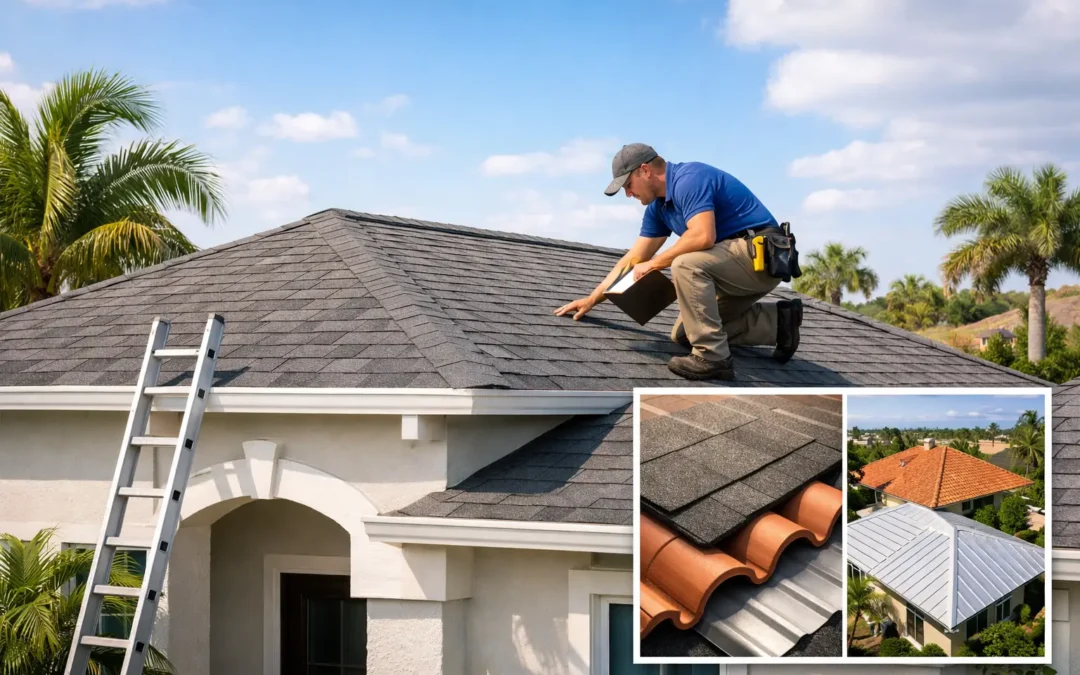
A new roof may carry more than one warranty, but those documents do not all protect the same thing. This roof warranty comparison guide helps Florida homeowners separate material coverage from installation protection before choosing a roofing system and contractor. That distinction matters when heavy rain, intense UV exposure, wind-driven debris, and hurricane-season conditions put every part of a roof to work.
A long warranty can be valuable. It is not, by itself, proof that every future leak, storm loss, or repair will be covered. The strongest decision comes from understanding what each warranty promises, what it excludes, and who will be accountable if a problem develops.
The Two Warranties Most Homeowners Need to Compare
Most roof replacement projects involve a manufacturer warranty and a workmanship warranty. They work together, but they cover different risks.
A manufacturer warranty generally addresses defects in the roofing materials. Depending on the product and warranty tier, that may include shingles, tiles, underlayment, starter materials, ridge caps, or other components installed as part of an approved roofing system. Coverage may be stronger when the full system is installed rather than a mix of unrelated products.
A workmanship warranty comes from the contractor. It addresses installation-related problems, such as materials installed incorrectly, flashing details that were not completed properly, or a leak traced to workmanship rather than a defective product. If the roof fails because it was installed poorly, a material warranty may not solve the problem.
That is why a homeowner should not compare warranties by term length alone. A 50-year material warranty does not replace a contractor who answers the phone, documents the installation, and stands behind the work when a concern arises.
Roof Warranty Comparison Guide: What to Read Beyond the Big Number
Warranty brochures often lead with a bold term such as 25 years, 30 years, 50 years, or lifetime. Read past that headline. The practical value is usually found in the definitions, coverage periods, and exclusions.
Material coverage and the non-prorated period
Many manufacturer warranties have two phases. The first is a non-prorated period, when qualifying material defects may receive more complete coverage. After that, the warranty may become prorated, meaning reimbursement decreases as the roof ages.
For example, two products may both be described as lifetime shingles, yet one may provide a longer non-prorated period or more favorable replacement coverage. This does not make one roof right for every home. It does mean the details deserve comparison, especially if you expect to own the home for many years.
Ask whether coverage includes just replacement materials or also reasonable labor, tear-off, and disposal costs. Material-only coverage may still leave the homeowner responsible for much of the expense involved in correcting a confirmed defect.
System warranties versus basic product warranties
Manufacturers may offer enhanced protection when an eligible contractor installs a complete roofing system using specified components. These warranties can offer broader coverage than a basic shingle-only warranty, sometimes including a defined period of workmanship coverage backed by the manufacturer.
Eligibility matters. Enhanced warranties often require approved materials, proper registration, and installation by a contractor with a particular manufacturer credential. In some cases, an upgrade is worthwhile because it adds meaningful installation protection. In others, a basic warranty may be sufficient for a straightforward project with a dependable contractor and a limited budget.
Homeowners should ask for the exact warranty name, not just a general statement that the roof is “fully warranted.” Request the written terms for the proposed system before signing a contract.
Wind coverage is not the same as hurricane coverage
Wind ratings matter in Northeast Florida, but they can be misunderstood. A manufacturer wind warranty may cover certain wind-related material issues only when the roofing system meets defined installation requirements. It is not the same as insurance coverage for hurricane damage, fallen trees, flying debris, or water entering after a storm damages the roof.
Your homeowners insurance policy, deductible, local building code requirements, roof deck condition, fastening pattern, and final installation all play a role after a major weather event. A warranty should support your protection plan, not be treated as a substitute for property insurance and storm-ready construction.
Exclusions can be just as important as coverage
Every warranty has limits. Common exclusions may involve storm damage, improper ventilation, ponding water, structural movement, foot traffic, lack of maintenance, altered roof components, or repairs completed by an unauthorized party. Pre-existing deck damage and issues caused by other trades may also fall outside coverage.
This is not necessarily a reason to avoid a warranty. It is a reason to understand your responsibilities. If a contractor identifies soft decking, inadequate ventilation, deteriorated flashing, or drainage concerns during the estimate, addressing those items can protect the roof system and reduce future disputes.
Compare the Contractor Behind the Promise
A warranty is only as useful as the company responsible for honoring it. Before selecting a roofing contractor, confirm that the business is properly licensed and insured, has a local operating history, and provides a clear written scope of work. Ask how service requests are handled after installation and whether the company has a process for documenting concerns.
Florida homeowners should also ask who will inspect the roof if a leak appears. Will the contractor determine whether the issue is related to installation, a material defect, storm damage, or another building component? A clear assessment is the first step toward the right remedy.
Manufacturer credentials can add another layer of confidence because they may require training, product knowledge, and adherence to installation standards. Stonebridge’s GAF Master Elite® certification, held by fewer than 2% of roofing contractors nationwide, can provide access to enhanced GAF warranty options when the selected system and project requirements qualify.
Credentials do not eliminate the need for careful review. They do give homeowners a practical question to ask: which warranty options are available for this specific roof, and what must be installed to qualify?
Questions to Ask Before You Approve a Roof Replacement
Use the estimate meeting to get specific answers. The following questions can reveal whether you are comparing complete protection or just marketing language:
- What is the exact manufacturer warranty for the proposed roofing material?
- Is there an enhanced system warranty available, and what additional components or requirements does it involve?
- How long is the non-prorated coverage period, and what changes after it ends?
- Does the warranty cover labor, tear-off, and disposal for a confirmed material defect?
- What workmanship warranty does the contractor provide, and what is the service process if a leak occurs?
- Are wind provisions included, and what installation requirements must be met?
- Who registers the warranty, when is it registered, and how will I receive the final documentation?
- Is the warranty transferable if I sell the property, and is there a deadline or fee for transferring it?
These questions are particularly useful when comparing estimates that appear similar. A lower initial price can reflect fewer system components, reduced installation scope, or a warranty with narrower protection. Conversely, the most expensive package is not automatically the best fit if its added coverage does not match your ownership plans or property needs.
Transfer Rules Matter at Resale
A transferable warranty can be a meaningful selling point, but transfer rules are often strict. Some warranties permit one transfer only. Others require the new owner to register within a certain number of days after closing, and some charge a transfer fee. Missing that deadline can reduce or eliminate coverage.
Keep the contract, paid invoice, warranty registration confirmation, permits, material information, and any repair records in one place. Those documents are helpful for warranty claims, insurance questions, and future buyers evaluating the home.
Special Considerations for Tile and Metal
The same comparison principles apply to tile and metal, but the details differ. Tile warranties may focus on the tile itself while excluding breakage caused by impact or walking. Metal warranties may address finish performance separately from substrate performance, and coastal exposure can affect which product specifications make sense.
Commercial property owners should take an even closer look at maintenance requirements, drainage provisions, approved repair procedures, and inspection documentation. Commercial warranties can require scheduled maintenance or limit coverage when unauthorized modifications are made to rooftop equipment.
Keep Your Warranty in Good Standing
Once the roof is installed, protect the investment with ordinary care. Clear debris that blocks drainage, avoid unnecessary foot traffic, schedule inspections after severe weather, and address minor damage before it becomes a larger leak. If another contractor needs to install equipment or make a repair, confirm that the work will not compromise the roofing system or its warranty.
The best warranty is not simply the one with the longest label. It is the one that fits your roof, is installed according to manufacturer requirements, and is supported by a contractor prepared to protect your property long after the final nail is driven.