Florida Siding Replacement Cost: What to Expect
A faded exterior, cracked panels, or moisture-stained walls can make a home feel exposed long before a leak becomes obvious. For homeowners weighing siding replacement cost Florida projects require, the real question is not simply, “What is the lowest price?” It is whether the new exterior can stand up to punishing sun, wind-driven rain, humidity, and the next major storm.
A properly planned siding replacement protects the structure behind it, improves curb appeal, and can reduce the maintenance burden that comes with an aging exterior. The cost depends on the material, the home’s design, hidden repairs, and the level of weather protection built into the installation.
Typical Siding Replacement Cost in Florida
Most Florida homeowners can expect a full siding replacement to fall somewhere between $10,000 and $35,000 or more. That broad range reflects major differences in home size, material selection, trim work, wall condition, and labor complexity.
Installed cost is often discussed by square foot of exterior wall area, not by the home’s square footage. A one-story ranch home and a two-story home with the same living area may require very different amounts of siding. Gables, bump-outs, covered porches, tall walls, decorative trim, and difficult access also add labor.
As a general starting point, installed material costs may land in these ranges:
- Vinyl siding: about $7 to $14 per square foot
- Engineered wood siding: about $9 to $16 per square foot
- Fiber cement siding: about $10 to $18 per square foot
- Aluminum siding: about $8 to $15 per square foot
- Natural wood siding: about $12 to $25 or more per square foot
These figures are planning ranges, not a substitute for an on-site estimate. Material availability, labor demand after storms, local permit requirements, and the repairs uncovered after old siding comes off can all change the final investment.
Why Florida Exterior Projects Cost Differently
Florida siding has a harder job than siding in many parts of the country. Long stretches of UV exposure can fade finishes and make lower-grade materials brittle. High humidity can feed moisture problems where flashing, caulk, house wrap, or ventilation details have failed. During tropical storms and hurricanes, wind-driven rain tests every seam, corner, window opening, and transition.
That is why a lower initial quote is not always the better value. A contractor may price the visible siding but leave out items that matter to long-term performance, including water-resistive barriers, flashing, trim replacement, soffit repairs, or protection around windows and doors. Those details are where water damage often begins.
For coastal and exposed properties, salt air and high winds may also influence material choices and fastening methods. The right system depends on the home’s location, age, wall construction, and the condition of the exterior beneath the existing cladding.
The condition behind the old siding matters
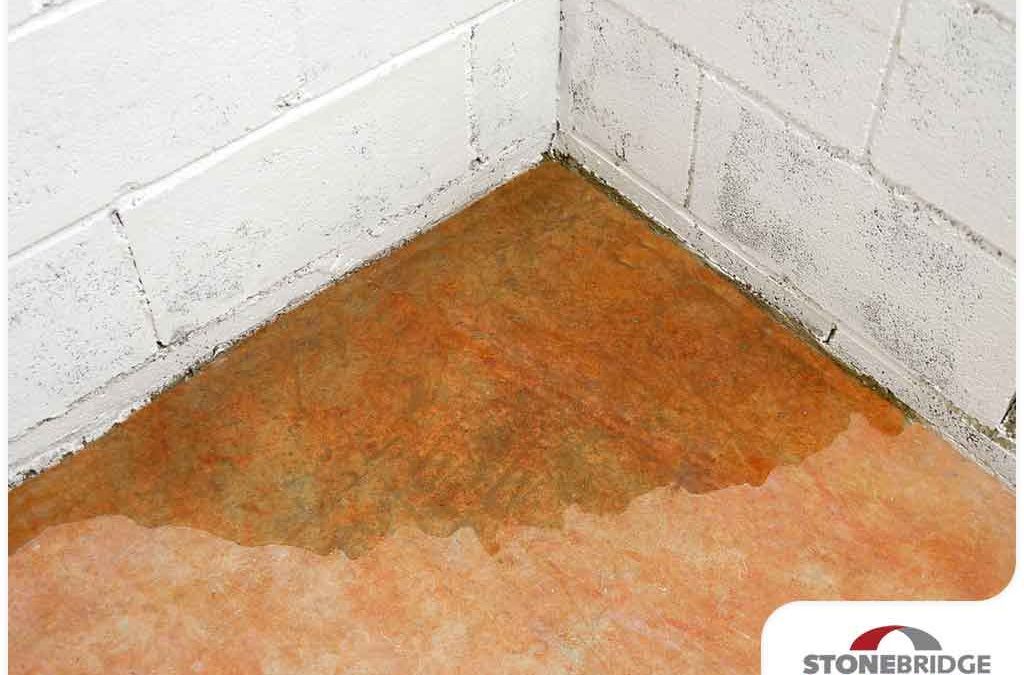
No one can fully confirm the condition of sheathing and framing until portions of the old siding are removed. Minor surface repairs may have little effect on the budget. Extensive rot, termite damage, mold-related repairs, or deteriorated framing can add meaningful costs.
A thorough estimate should explain how hidden damage is handled. Homeowners deserve to know what is included, what could be considered an additional repair, and how approval will work if conditions behind the siding differ from what was visible during the inspection.
Comparing Popular Siding Materials for Florida Homes
The best siding material is not universal. It depends on your budget, the architectural style of your home, maintenance expectations, and how much storm and moisture resistance you want built into the exterior.
Vinyl siding
Vinyl is often the most budget-friendly replacement option and comes in many colors and profiles. It does not need painting, which appeals to homeowners looking for lower routine maintenance. However, lower-quality vinyl can fade, warp, crack, or become less attractive over time under intense Florida heat.
For a well-protected, lower-cost exterior, vinyl can make sense. It is especially important to select a product and installation method suited to local wind conditions rather than treating all vinyl systems as equal.
Fiber cement siding
Fiber cement is a popular choice for homeowners who want a more substantial appearance and strong resistance to rot, insects, and fire. It handles humidity well when installed and maintained correctly, and it can be painted in a wide range of colors.
Its trade-off is cost. Fiber cement is heavier, more labor-intensive to install, and typically requires repainting over its service life. Still, for many Florida homes, its durability and classic appearance justify the higher initial investment.
Engineered wood siding
Engineered wood can offer the warmth and texture of wood with better consistency and moisture resistance than traditional wood products. It is generally lighter and faster to install than fiber cement, which can help control labor costs.
As with any manufactured siding product, proper flashing, clearances, paint or finish maintenance, and installation details remain essential. A strong product can still fail early if water is allowed behind it.
Wood and aluminum options
Natural wood delivers a distinctive look but requires careful upkeep in Florida’s humid climate. It can be a good fit for historic or custom homes when owners are prepared for ongoing maintenance. Aluminum is durable and resistant to insects, but it can dent and may not provide the design flexibility homeowners want for every style of property.
Budget Items That Are Easy to Miss
A complete siding project includes more than the panels on the wall. The estimate should account for removal and disposal of existing materials, wall preparation, house wrap or other moisture protection, flashing, trim, fasteners, caulking, and finishing work.
Window and door trim can be a substantial part of the project, particularly when replacing old wood components. Soffit, fascia, gutters, and exterior paint may also be worth addressing at the same time. Completing related exterior work together can prevent a new siding installation from being disturbed later by another repair.
Permits may be required depending on the scope and location of the work. Homeowners should also ask whether the proposal includes cleanup, debris removal, and a clear process for protecting landscaping, driveways, and outdoor living areas during construction.
Can Insurance Help Pay for Siding Replacement?
Insurance may help when siding damage results from a covered event, such as a windstorm or fallen tree. Coverage depends on the policy, deductible, cause of damage, and whether the insurer determines repair or replacement is warranted. Age-related deterioration, fading, and ordinary maintenance issues are usually not covered.
If storm damage is suspected, document the exterior with photos before temporary repairs begin when it is safe to do so. A qualified contractor can inspect the damage and explain the visible conditions, but the insurance carrier makes the coverage decision. Avoid anyone who promises a claim outcome before reviewing the policy and the actual damage.
How to Get a Useful Siding Estimate
A reliable estimate begins with an in-person inspection, not a quick price based only on a home’s square footage. Ask which siding system is proposed, how the walls will be protected from moisture, what trim and flashing work is included, and what warranty applies to both materials and workmanship.
It also helps to compare proposals line by line. One quote may look lower because it excludes removal, wall repairs, premium trim, or disposal. Another may cost more because it accounts for the details that help the exterior perform through Florida’s rainy season and future storms.
Stonebridge approaches exterior work with the same protection-first mindset used for roofing: clear expectations, quality materials, and workmanship designed for Florida weather. Before choosing a siding system, schedule an inspection that gives you a clear picture of your walls, your options, and the work needed to protect your home for years ahead.