Florida Hurricane Home Protection Guide (2026)

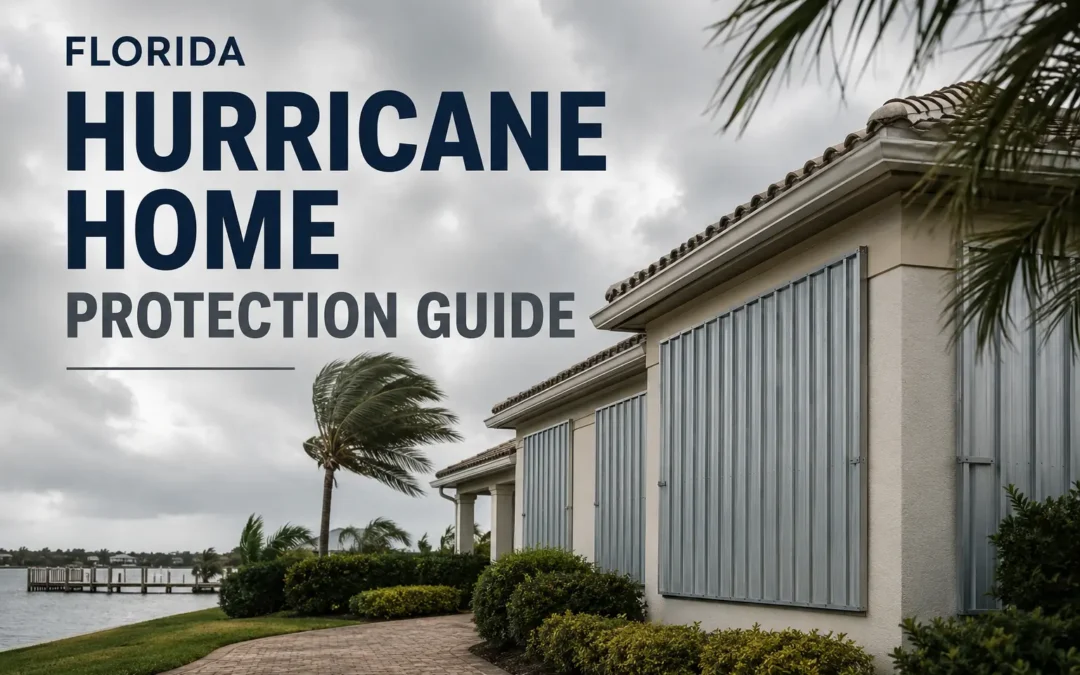
Florida Hurricane Home Protection Guide (2026)

Florida homeowners face some of the most demanding weather conditions in the United States. From hurricanes and tropical storms to heavy rain, wind damage, and flooding, protecting your home is not optional—it’s essential.

This guide explains how to prepare your home for Florida hurricane season, reduce storm damage risks, and improve long-term property resilience in Jacksonville and Northeast Florida.

At Stonebridge Roofing, Energy, and Exteriors, we’ve spent over 30 years helping Florida homeowners strengthen and restore their properties against severe weather events. Our focus is simple: build and protect homes that can withstand Florida’s toughest conditions.

Why Hurricane Preparedness Matters in Florida

Florida’s hurricane season runs from June through November, bringing risks such as:

  • High winds exceeding 100+ mph
  • Wind-driven rain and roof leaks
  • Flying debris damaging siding and windows
  • Storm surge and localized flooding
  • Long-term moisture intrusion and mold growth

Even storms that don’t make direct landfall can cause significant damage in Jacksonville and surrounding coastal areas.

Proper hurricane preparedness helps reduce repair costs, insurance claims, and long-term structural issues.

Florida Hurricane Home Protection Checklist

To protect your home before storm season, Florida homeowners should focus on preventative maintenance and exterior durability:

Roof & Exterior Inspection

  • Check for loose or missing shingles
  • Inspect flashing, ridge caps, and seals
  • Look for signs of water intrusion or soft spots

Drainage & Water Control

  • Clean gutters and downspouts
  • Ensure proper roof drainage flow
  • Check for pooling water near the foundation

Structural Preparation

  • Trim trees and remove weak branches
  • Secure outdoor furniture and loose objects
  • Inspect siding, soffits, and fascia

Storm Readiness Upgrades

  • Impact-resistant roofing materials
  • Hurricane-rated windows or shutters
  • Waterproof exterior systems

Preventative maintenance is one of the most cost-effective ways to reduce storm damage in Florida homes.

Roofing: Your First Line of Defense in a Hurricane

Your roof is the most important barrier between your home and Florida’s extreme weather.

Professional roofing systems designed for hurricane zones include:

  • High-wind-rated shingles and metal roofing systems
  • Reinforced roof decking and fasteners
  • Waterproof underlayment systems
  • Proper flashing and edge sealing

At Stonebridge Roofing, Energy, and Exteriors, we specialize in Florida-ready roofing systems built for durability, energy efficiency, and storm resistance.

Jacksonville Hurricane Preparation Tips

Homeowners in Jacksonville and Northeast Florida should take additional local risks into account:

  • Coastal wind exposure increases roof stress
  • Heavy rainfall can overwhelm drainage systems
  • High humidity accelerates mold after storm damage
  • Older homes may not meet current wind codes

Regular inspections before hurricane season are highly recommended for Jacksonville properties.

What to Do After a Hurricane or Severe Storm

Even if your home appears undamaged, hidden issues may exist.

After a storm, homeowners should:

  • Inspect the roof for lifted shingles or leaks
  • Check attic spaces for moisture
  • Document any visible damage for insurance claims
  • Inspect windows and exterior seals
  • Schedule a professional inspection if needed

Early detection prevents costly long-term repairs such as rot, mold, and structural deterioration.

Florida Home Weather Safety Starts with Preparation

The best way to protect your home is to prepare before storms arrive—not after damage occurs.

Working with experienced local contractors ensures your home is built and maintained for Florida’s unique climate challenges.

Stonebridge Roofing, Energy, and Exteriors provides comprehensive roofing, waterproofing, and exterior protection and emergency services throughout Jacksonville and Northeast Florida.

Call our team of experts today to make sure you are prepared, 904.262.6636.

How do I prepare my home for a hurricane in Florida?

Inspect your roof, clean gutters, secure outdoor items, trim trees, and ensure windows and doors are properly sealed before hurricane season begins.

What is the most important part of hurricane home protection?

Your roof is the most critical component, as it protects against wind, rain, and debris damage.

When is hurricane season in Florida?

Hurricane season runs from June 1 through November 30 each year.

Do I need a roof inspection before hurricane season?

Yes. Annual inspections help identify weak points before storms cause major damage.

What areas near Jacksonville are most affected by hurricanes?

Coastal and low-lying areas in Northeast Florida are most at risk due to wind exposure and storm surge potential.
Most Common Reasons for Noisy Gutters and Downspouts

Most Common Reasons for Noisy Gutters and Downspouts

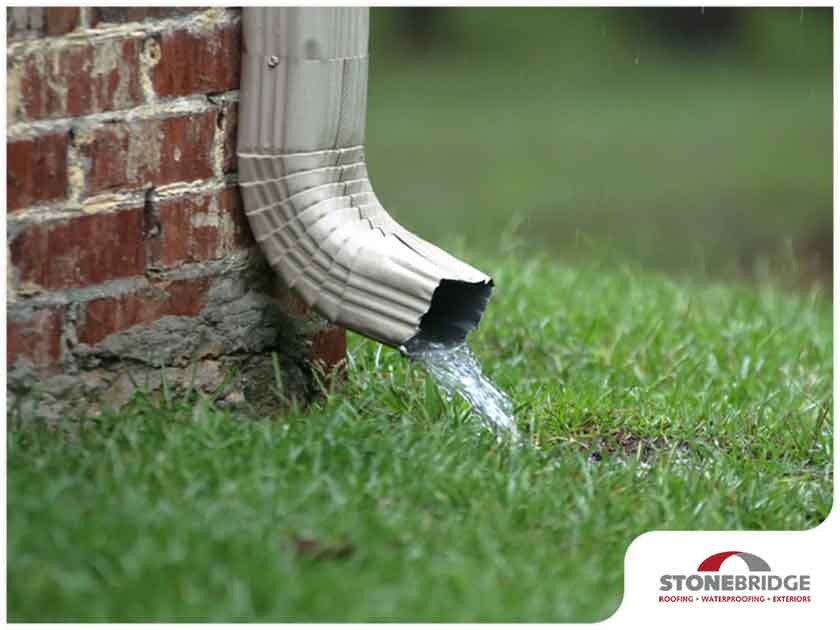
The sound of rain can be soothing for some people. But when it’s causing your gutters and downspouts to create strange sounds, the noise can be very annoying. Before you dismiss this as a merely frustrating circumstance, take note that the gutter and downspout noise that you’re hearing could indicate a problem.

Here are a few common reasons why your gutters and downspouts are noisy.

Poor Installation

Your downspouts should be installed at a slight angle to be effective in draining water away and preventing any buildup on your roofing. So, when you hear a drip-drip sound coming from your downspouts, it could be that they have not been installed properly. Water is likely being directed to one corner of your downspout, causing the noise that you are hearing.

Clogging

Clogging is a common issue in gutters and downspouts. What usually happens is that leaves, twigs, and debris get stuck inside your gutters. This causes a blockage and prevents water from flowing out of your gutter system. When left unchecked, this can cause noise in your gutters and lead to problems that will require a roof repair.

Loose Brackets

Brackets are critical components because they are responsible for securing your gutters in place. Unfortunately, as these brackets age and deteriorate, they become loose and start producing odd noises. However, if your brackets are relatively new, the culprit could be the changing temperature. Gutters may expand and contract as temperatures fluctuate. This causes the brackets to be pulled out of place and create noise.

Stonebridge Roofing, Waterproofing, and Exteriors has over 30 years of experience in home exterior waterproofing and concrete restoration. But apart from these, we also have expertise in roofing, gutters, windows and doors, and more. Call us at (904) 262-6636.

Is Fall a Good Time to Paint My Home?

Is Fall a Good Time to Paint My Home?

Painting the inside of your home can be done any time of the year. Since interiors are typically controlled environments, you don’t have to worry about things like humidity and temperature. Painting home exteriors, on the other hand, can be a tricky business because you have to take a variety of weather elements into account.

When to Paint Your Home

There really is no universally accepted best time to paint your home, particularly your exteriors, since it largely depends on the kind of climate and weather in your location. However, many experts and homeowners find summer as the most optimal season for painting home exteriors because of the warm weather and minimal rain.

Of course, summer does not always mean the same thing across the country. For example, if you live in an area that experiences hurricanes toward the end of the summer, you might want to schedule your painting job at the start of the season. This is also one of the reasons why Jacksonville roofers may urge you to schedule repairs or replacements around this time.

You can also opt to paint in the autumn, particularly early fall. This is usually a good time to paint because daytime and nighttime temperatures are often closer than at other times of the year. Remember that paint doesn’t dry well when temperatures drastically fluctuate in the morning and in the evening.

Other Factors to Consider

While temperature, humidity, and ideal weather conditions are essential considerations when planning your home painting project, there are also other things that you should note – such as paint quality. Never skimp on this one because you would want your paint to last for several years and to withstand any weather condition. Consider the application of the paint as well. Make sure it’s appropriate for your climate or the current season.

Stonebridge Roofing, Waterproofing, and Exteriors is a full-service exterior construction company trusted by local customers. We offer a range of services, including roof replacement, waterproofing, painting, and more. Call us at (904) 262-6636.

A Quick Guide to Siding Profiles

A Quick Guide to Siding Profiles

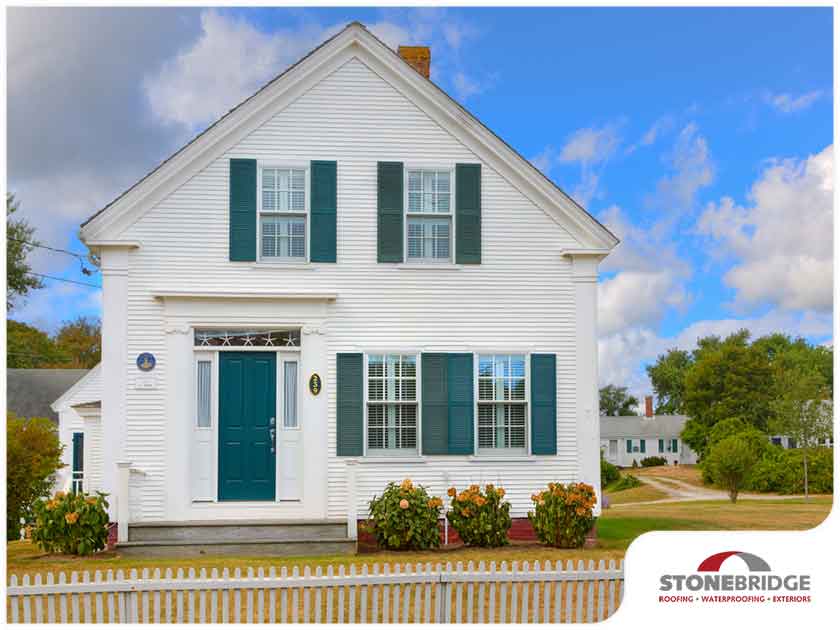
Have you ever looked at a house and been in awe of its beautiful architectural appearance? Chances are the exterior features were responsible for making a great impression. The siding, or the wall cladding material, is a critical part of your home. It can make or break the character or visual impact of any property. This is why choosing the right siding profile is key to enhancing curb appeal. But selecting the right style requires some consideration.

Horizontal Siding Patterns

Horizontal patterns are the most common method of siding. They are proven to be effective against precipitation or invasive water particles from the atmosphere. This traditional siding method encompasses a variety of patterns:

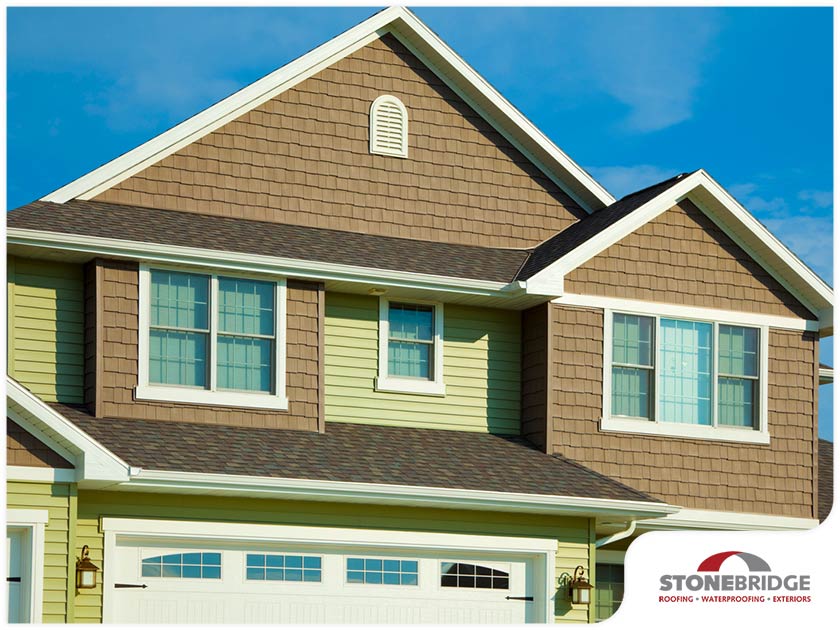
  • Lap siding is the easiest and most common pattern to install. It features siding boards that are partially layered on top of each other. The goal is to let water roll over on the surface until it reaches the lower sections of the siding.
  • Dutch lap siding features a groove cut out of the top of each horizontal board. It has a more textured look than the traditional lap siding.
  • A beaded pattern is generally found on vinyl siding. It displays a “bead” at the bottom of each horizontal board, providing a similar textured surface like Dutch lap siding.

Vertical Siding Patterns

Although less common, vertical patterns are ideal for specific home styles. 

  • Panel siding is similar to lap siding - just vertically oriented.
  • Board and batten siding features vertical panels that are placed with battons covering their cracks. This design can be found in vinyl and fiber cement siding.

Shake Siding Patterns

Shake siding, commonly associated with natural cedar wood shakes, offers a timelessly charming look for your home exterior. This siding method has an array of different patterns, playing with rounded corners on the lower edge of boards and staggered surfaces. Some styles are cut two or three times to mimic octagonal or hexagonal shapes. Needless to say, shake siding patterns provide an organic look and more texture to the facade of your home.

Here at Stonebridge Emergency Roof Repair Service, Waterproofing, and Exteriors, we know our way around different patterns of sidings. If you’re considering updating the look of your home, don’t hesitate to reach out to us. You may give our team a call at (904) 262-6636 or fill out our online contact form to schedule a consultation.

Tips for Selecting Windows for Your Bathroom

Tips for Selecting Windows for Your Bathroom

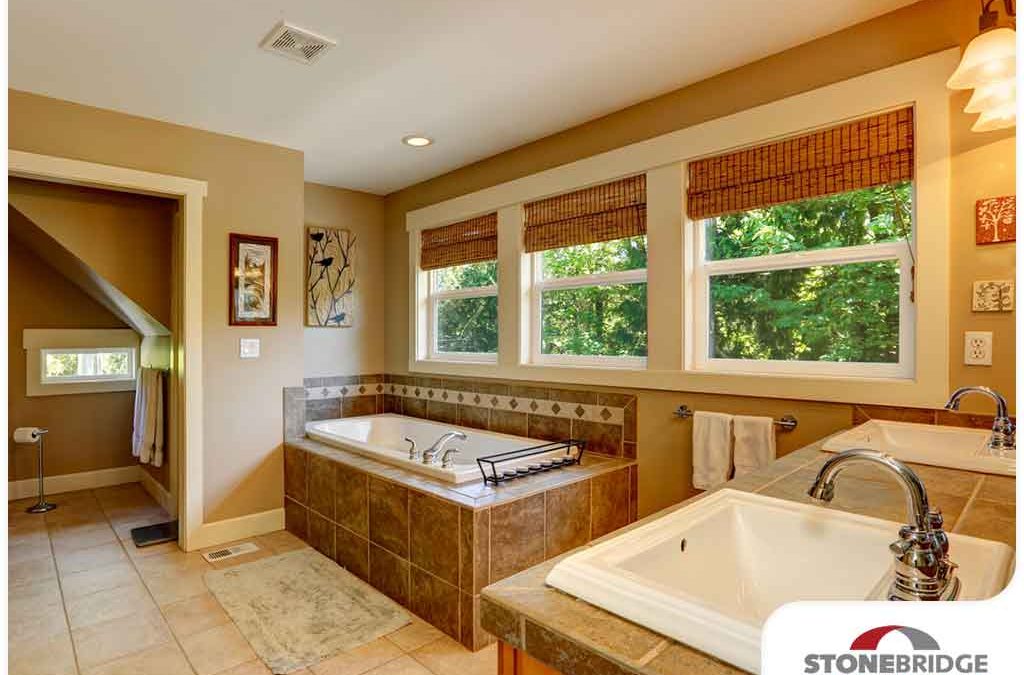
It can be a challenge to pick windows for your bathroom. You want your space to be well-lit while still maintaining privacy. Proper ventilation also matters because excessive humidity can encourage mold growth, which can spread around your home.

So, what windows should you use in your bathroom?

Window Styles

With privacy glass, awning windows can still hide the inside view of your bathroom even if the windows are open. Operable windows like awnings are also more efficient than other styles. The compression seals form an airtight seal when the windows are shut, minimizing heat loss. You can also combine an awning window with a stationary window for more natural light.

Window Size 

The brighter your bathroom is, the more spacious it looks and feels. You can get more natural light with bigger windows, but privacy can be an issue. Consider installing multiple windows to brighten up your bathroom. An experienced window contractor or home exterior renovations expert can help you choose the right size windows for your space.

Glass Options  

There are various glass styles that are suitable for bathrooms. Stained glass would work well in older homes while frosted glass is ideal for modern bathrooms. If you have a vintage bathroom you may also consider seeded glass. Moreover, glass block windows can also give your home more character.

Placement

By placing windows higher on the wall, you can make your bathroom brighter while still maintaining privacy. You should also consider the shape of the window. A narrow window placed higher up will provide the same amount of light as a tall window placed in the lower part of the room.

For quality window replacement services, choose Stonebridge Roofing, Waterproofing, and Exteriors. We also offer roof repair, replacement, and maintenance. You can count on our team for home exterior solutions that suit your needs and budget. Call us at (904) 262-6636, or fill out our contact form to get a free quote.

Storm Damaged Roof – Tips you should follow

Storm Damaged Roof – Tips you should follow

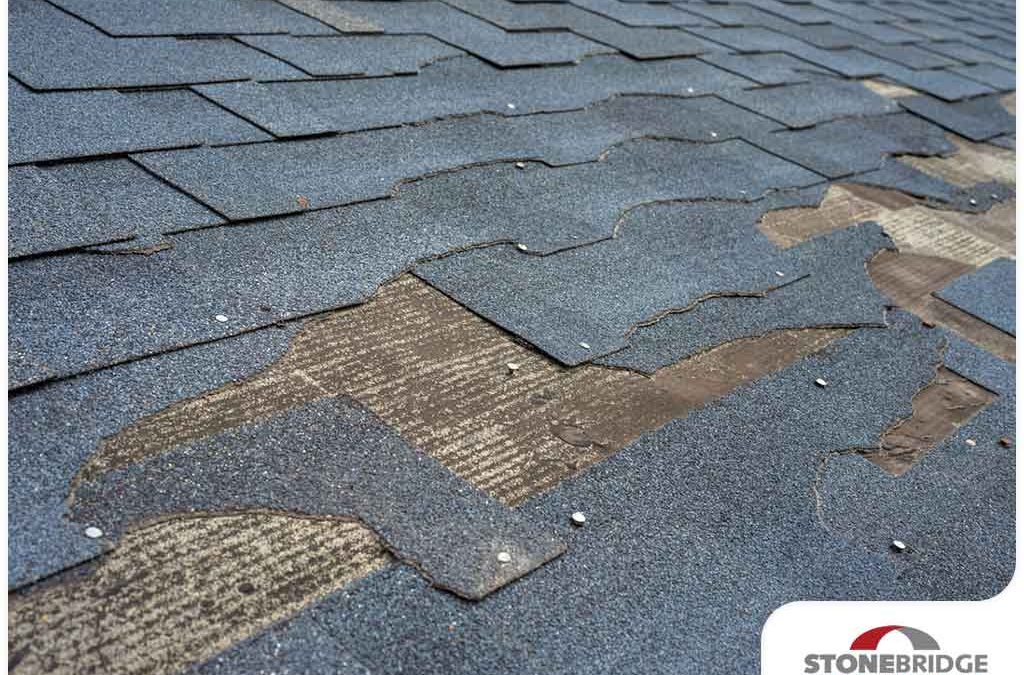
Your roof is your home’s main line of defense against extreme weather and temperatures. While roofs are meant to keep you protected during a storm, it can still get damaged from high winds, hail, or debris. However, signs of roof storm damage aren’t always apparent. This is why you should get an inspection from professional roofing contractors following a weather event.

Here are steps you should take if your roof suffers from storm damage.

Safety First

Make sure that the weather has cleared, and it’s safe to go outside before inspecting your home’s exterior. Beware of possible hazards on or near your roof even if the conditions are clear. While waiting for your roofer, walk around your property, and look for fallen trees or debris, loose or damaged shingles, and ice dams if you recently experienced a winter storm.

Check for Signs of Water Damage

When left unaddressed, water damage and leaks can cause mold growth, which can be harmful to your home’s structure and family’s health. Check your gutters for clogging and water buildup. When your gutters are clogged, water won’t be directed properly away from your home, which can cause water damage. See if the paint on the exterior and exterior walls is peeling, cracking, or bubbling. Excessive moisture can also cause the shingles on your roof to crack, curl and break.

If you notice these signs, make sure to immediately contact a roofing contractor. Never attempt to repair your roof on your own. Roof replacement and repairs are best handled by professionals. It can be dangerous to climb on a roof, especially after a storm.

Know What Your Insurance Policy Covers

Homeowners’ insurance usually covers roof damage due to situations outside of a homeowner’s control like storms. When filing an insurance claim, you must document any damage that occurred on your home because of the storm. To confirm what your policy does and doesn’t cover, contact your insurance provider. It’s also important to work with a roofer with experience in storm damage claims.

Stonebridge Roofing, Waterproofing, and Exteriors is one of the best roofing companies in the area. We’ll document the damage with photos and help you with the paperwork for filing your claim. We can also be there during your appointment with your adjusters to ensure they see the same damage that we found. Call us at (904) 262-6636, or fill out our contact form to get a free quote.