
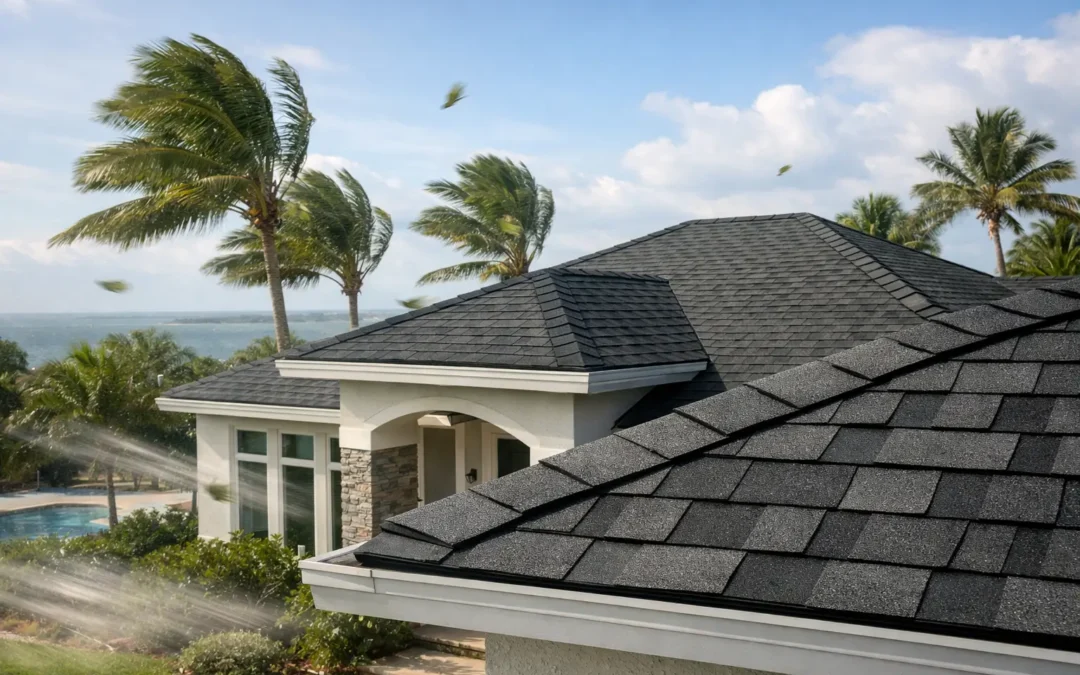
A Florida roof can look perfectly sound from the driveway and still have weak points where wind gets underneath shingles, lifts flashing, or pulls at the roof edge. Wind resistant roofing Florida homeowners can rely on is not simply a tougher shingle or tile. It is a complete system designed, installed, and maintained to keep wind-driven rain where it belongs: outside your home.
For Jacksonville, Lakeland, and surrounding Florida communities, that distinction matters. Afternoon thunderstorms, tropical systems, hurricanes, and years of intense sun place different demands on a roof than a mild-weather climate. The right roof can reduce the likelihood of storm damage. The right installation can make the difference between a repairable loss and water entering the attic after a major storm.
What Makes Wind Resistant Roofing in Florida Different?
Wind does not need to remove an entire roof to cause expensive damage. It only needs to find a vulnerable starting point. A lifted shingle, loose ridge cap, aging sealant around a vent, or poorly secured drip edge can give wind an opening. Once air gets beneath the roofing material, the uplift force can spread across a larger section of the roof.
That is why wind resistance must be considered as an assembly. The visible roofing material is one part of the system, but the roof deck, underlayment, fasteners, flashing, ventilation components, and perimeter details all matter. A quality roof replacement should address how these pieces work together, not merely cover an existing problem with new material.
Florida building requirements and local permit standards also play an important role. Requirements can vary based on the property location, roof type, and project scope. A knowledgeable local contractor should explain the applicable requirements for your home rather than offer vague assurances that a roof is “storm proof.” No roofing system can guarantee zero damage in every storm. Good workmanship and properly selected materials help reduce risk and improve the roof’s ability to perform when conditions turn severe.
The Roof Edge Deserves Extra Attention
The roof perimeter often experiences some of the strongest wind forces. This is where wind can catch the edge of shingles, metal panels, or tile and begin lifting materials. Properly installed edge metal, secure starter materials, correctly placed fasteners, and well-finished rake and eave details are essential.
Homeowners understandably focus on the color and style of a new roof. Those decisions affect curb appeal and property value, but the details beneath and around the material are just as important. Ask your contractor how the roof edge will be protected, how flashing will be integrated, and whether damaged decking will be identified and replaced before the new roof is installed.
A roof that is installed over compromised decking or concealed moisture damage cannot deliver the same level of protection. During a replacement, a professional crew should inspect the deck as roofing materials are removed and communicate clearly if repairs are needed.
Choosing Materials for Florida Wind and Weather
The best roofing material depends on your home, budget, roof slope, architectural style, and long-term plans. It also depends on the condition of the existing structure. A material with a strong wind rating still needs to be installed according to the manufacturer’s specifications and local code.
Architectural asphalt shingles remain a practical choice for many Northeast Florida homes. Premium laminated shingles can offer dimensional appearance, dependable weather performance, and broad color options. When installed as a complete manufacturer-backed system, they can be an excellent balance of cost, durability, and appearance.
Metal roofing is another strong option for homeowners seeking long service life and a distinct look. Metal panels can perform well in high winds when they are properly engineered and securely fastened. However, the details matter greatly. Panel type, fastener placement, flashing design, and the condition of the deck all influence the finished roof’s performance. Metal is often a larger initial investment, so it makes the most sense for owners who value its longevity and style.
Tile roofs offer a classic Florida appearance and can be highly durable, but tile is not automatically wind resistant. Each tile must be installed with the appropriate attachment method for the home and location. Broken, slipped, or improperly secured tiles can become a source of leaks and storm damage. Tile also adds weight, so the roof structure must be suitable for the selected system.
For commercial buildings, the conversation changes somewhat. Low-slope roofing systems require careful attention to membrane attachment, seams, drains, penetrations, and edge detailing. Ponding water, rooftop equipment, and large exposed roof areas can all affect the right solution. Property managers should prioritize a system designed for the building’s use and a maintenance plan that catches small issues before storm season.
Installation Quality Is the Real Test
A roof can have respected manufacturer names on the packaging and still fail early if installation shortcuts are taken. Common problems include incorrect fastener placement, too few fasteners, poorly integrated flashing, improperly sealed penetrations, or inadequate attention to the roof edge.
This is why contractor qualifications matter. Look for a licensed, insured local contractor with established manufacturer relationships, documented workmanship standards, and the ability to explain the project in plain language. Credentials such as GAF Master Elite® certification can also matter because they reflect ongoing training and may provide access to enhanced warranty options.
Stonebridge approaches roof replacement as a protection project, not a material swap. That means evaluating the condition of the existing roof, identifying areas vulnerable to leaks or wind uplift, and building a clear plan around the property’s needs. Homeowners should receive a transparent estimate and understand what is included before work begins.
Can an Existing Roof Be Made More Wind Resistant?
Sometimes, yes. If the roof is generally in sound condition and the issue is localized, targeted repair may improve its ability to withstand ordinary storms. Replacing missing shingles, resealing flashing, securing loose ridge caps, repairing damaged soffit or fascia, and correcting minor edge issues can all help.
But repairs have limits. A roof nearing the end of its service life may have widespread brittle shingles, deteriorated sealant strips, hidden deck damage, or recurring leaks. In that situation, spending repeatedly on isolated repairs can become less cost-effective than planning a replacement. An honest inspection should distinguish between a roof that needs a focused repair and one that no longer provides dependable protection.
After a storm, act quickly if you see missing materials, loose debris, interior staining, or active dripping. Temporary roof tarping can help limit additional water intrusion while a permanent repair plan is developed. Avoid climbing onto the roof yourself, especially when surfaces are wet or damage may have weakened the structure.
Questions to Ask Before a Roof Replacement
Before signing a contract, ask how the proposed system addresses wind resistance from the deck up. You should understand the selected underlayment, the fastening approach, how flashing and penetrations will be handled, and what happens if damaged decking is found during tear-off.
It is also reasonable to ask about manufacturer warranties and workmanship coverage. These are different protections. A manufacturer warranty generally addresses eligible material defects, while a workmanship warranty addresses installation-related concerns under its terms. Read the details rather than relying on a broad promise that a roof is fully covered.
Finally, consider the timing of the project. Waiting until hurricane season or until a small leak becomes a ceiling stain can limit your options. A proactive inspection gives you time to compare materials, review financing if needed, and schedule work before a damaged roof becomes an emergency.
Your roof protects the people, belongings, and investment beneath it. Choosing a wind-focused roofing system and a contractor accountable for the details gives your property a stronger starting point when Florida weather arrives.