
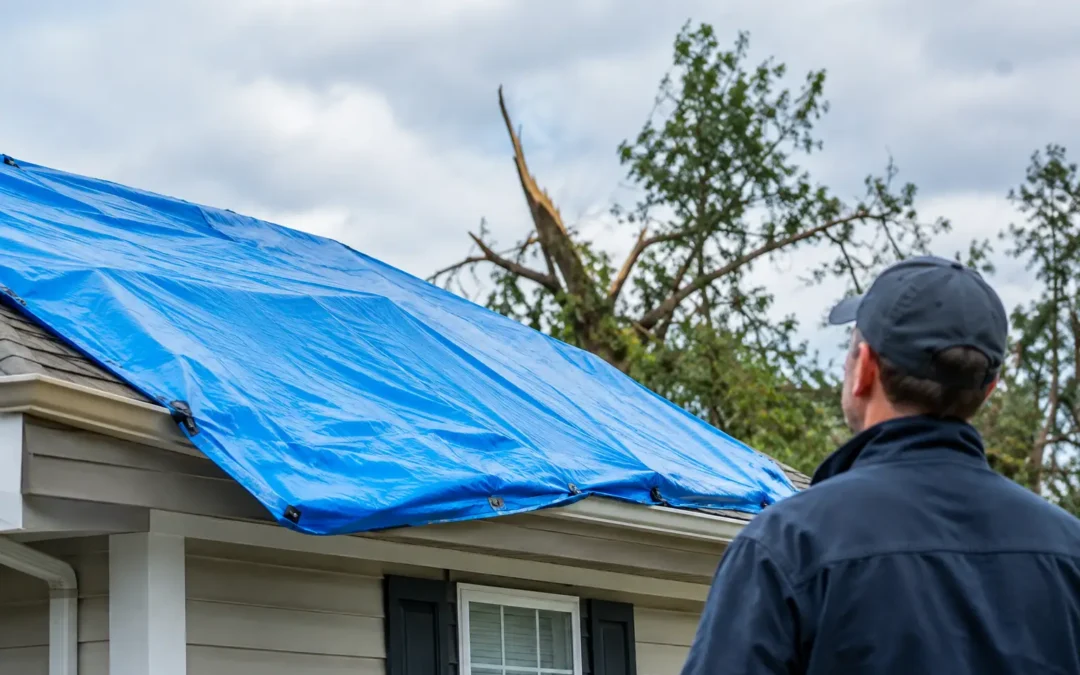
A roof leak after a Florida storm can turn a small opening into a much larger problem within hours. Wind-driven rain does not wait for business hours, and neither should your efforts to protect the home. So, does homeowners insurance cover tarps? Often, it can cover the reasonable cost of emergency tarping when the roof was damaged by a covered event, but the answer depends on what caused the damage, the details of your policy, and the steps you take after the storm.
A tarp is not a permanent repair. It is a critical temporary measure that can limit additional water intrusion while the roof is documented, inspected, and repaired. For Jacksonville-area homeowners, knowing where insurance responsibility begins and ends can make an already stressful situation more manageable.
When homeowners insurance may cover roof tarps
Most standard homeowners policies are designed to cover sudden, accidental damage from named perils or covered causes of loss. Depending on the policy, that can include wind, hail, fallen tree limbs, or storm debris that damages the roof and creates an opening for water to enter.
When a covered event causes that damage, the policy may reimburse reasonable emergency measures needed to prevent further loss. This is often called protecting the property from further damage or mitigating damage. A professionally installed roof tarp can fall into that category because it helps keep rain from reaching ceilings, insulation, drywall, flooring, and personal belongings.
For example, a severe thunderstorm may lift shingles, crack tiles, or allow a branch to puncture a roof. If rain is forecast, arranging prompt tarping is generally a sensible protective step. Save the invoice, take clear photos before and after the tarp is installed when it is safe to do so, and provide those records to your insurer.
Coverage is not automatic, however. Your policy language controls the claim, and the amount paid may be subject to your deductible. If the cost of emergency tarping and repairs does not exceed the deductible, insurance may not issue a payment even if the loss itself is covered.
What insurance usually will not cover
Homeowners insurance is not a maintenance plan. It typically does not pay to tarp a roof simply because it is old, worn out, improperly installed, or leaking from long-term deterioration. If a roof has gradually failed due to age, neglected repairs, worn flashing, or ongoing moisture damage, the insurer may deny coverage for the tarp and the underlying repair.
The distinction is often the cause of the opening. A sudden storm-created hole is different from a leak that has been staining the ceiling for months. Florida homeowners should also be aware that an insurer may inspect the roof’s condition as part of the claim. Missing shingles from a recent wind event and widespread granule loss from an aging roof can lead to very different coverage decisions.
A tarp may also be excluded if it was installed unnecessarily, priced unreasonably, or used as a substitute for timely permanent repairs. Once the emergency passes, homeowners should move quickly to arrange a professional inspection and follow their carrier’s claim process.
Hurricane and wind deductibles can change the math
Florida policies often carry a separate hurricane deductible, and some have special windstorm deductibles. These deductibles may be higher than the standard deductible and are commonly calculated as a percentage of the home’s insured value.
That does not mean you should skip emergency protection. Preventing further interior damage still matters, whether or not the tarp expense exceeds the deductible. It does mean homeowners should review their declarations page before assuming every storm-related expense will be reimbursed.
If you are unsure which deductible applies, ask your insurance carrier directly. The answer can depend on the type of storm, where the property is located, and whether an official hurricane designation applies.
What to do before and after a roof tarp is installed
Safety comes first. Do not climb onto a wet, steep, or visibly compromised roof. Downed power lines, loose debris, hidden structural damage, and continuing wind can make a storm-damaged property dangerous.
Start by documenting what you can from the ground. Photograph missing roofing materials, visible punctures, fallen limbs, water stains, and damaged belongings. If water is entering the home, move furniture and valuables away from the affected area if it is safe, and use buckets or containers to catch active drips.
Then contact your insurance company to report the loss. Tell the representative that you have active water intrusion or exposed roofing and need to take reasonable emergency measures. Ask how the carrier wants photos, invoices, and repair estimates submitted. Reporting the claim promptly creates a record and helps clarify the next steps.
A qualified roofing contractor can inspect the damage, secure the affected area with a properly fastened tarp, and identify whether the roof needs repair or replacement. The tarp should be secured to resist rain and wind without creating unnecessary damage to the remaining roof system. A loose tarp can allow more water in or become a hazard during the next storm.
Keep copies of every document connected to the event, including the contractor’s estimate, tarp invoice, photographs, emails, claim number, and notes from conversations with your adjuster. Do not discard damaged materials or begin major permanent work before the insurer has had a reasonable opportunity to inspect, unless the work is necessary to prevent immediate additional damage.
Does homeowners insurance cover tarps if you have not filed a claim?
You do not need to wait for an adjuster to arrive before protecting an exposed roof. In fact, policies generally require homeowners to take reasonable steps to prevent further damage after a loss. Emergency tarping can be appropriate while the claim is being reviewed.
Still, notify the insurer as soon as possible. Waiting too long can complicate the claim because it becomes harder to separate original storm damage from later water intrusion. A clear timeline helps: when the storm occurred, when you noticed the damage, when the tarp was installed, and when the insurance claim was reported.
Homeowners should be careful about authorizing a full roof replacement based only on a quick visual assessment or a contractor’s verbal opinion. Temporary protection and a thorough inspection are the right first steps. The permanent scope of work should be supported by documented damage, the roof’s condition, and the terms of the insurance policy.
Questions to ask your insurer and roofing contractor
A few direct questions can prevent confusion during an emergency. Ask your insurer whether your claim appears to involve a covered cause of loss, which deductible may apply, and what documentation it needs for emergency mitigation. Also ask whether it has preferred procedures for tarping, inspections, or adjuster access.
Ask the roofing contractor what caused the visible damage, whether the tarp is necessary to stop active intrusion, and what permanent repairs may be required. A dependable contractor should explain the condition of the roof plainly, provide a written estimate, and avoid promising an insurance outcome that no contractor can guarantee.
For homeowners in Northeast Florida, responsiveness matters just as much as workmanship. A tarp installed quickly and correctly can protect the home while you make informed decisions. Stonebridge approaches emergency roof protection with that same focus: securing the property first, documenting visible conditions, and helping homeowners understand the repair path ahead.
A tarp protects the house, but documentation protects the claim
Emergency tarping is one part of responsible storm recovery, not the finish line. Your policy may help cover it when a covered storm damages the roof, but coverage can be limited by exclusions, deductibles, and the roof’s pre-loss condition.
Act promptly, keep detailed records, and rely on qualified professionals rather than temporary shortcuts. When Florida weather exposes a roof, protecting your family’s most valuable asset starts with stopping the water and making the next decision with clear information.