
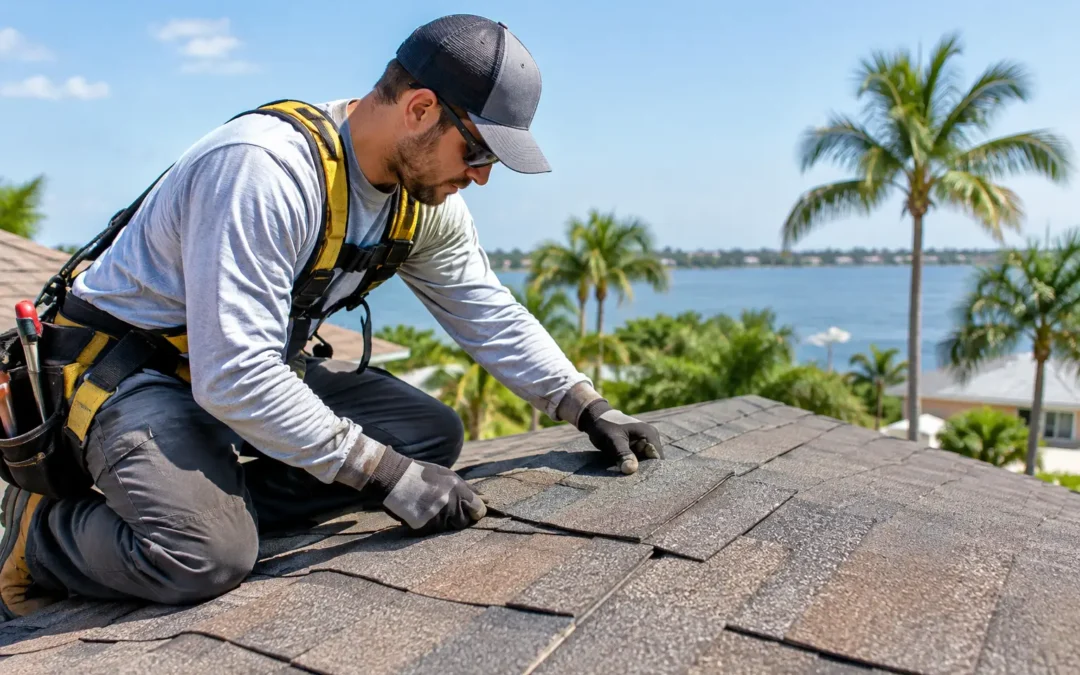
A shingle on the ground after a Florida storm is rarely just a cosmetic problem. It can be the first visible sign that wind has weakened the roof system protecting your home. Learning how to prevent shingle blowoffs starts with understanding that shingles, nails, decking, flashing, ventilation, and installation all work together. When one part falls short, high winds and wind-driven rain can find the weak point.
For homeowners in Jacksonville and across Northeast Florida, that risk is not limited to hurricanes. Summer thunderstorms, tropical systems, prolonged sun exposure, and aging materials can all reduce a roof’s ability to hold its line. Prevention is usually less disruptive and less expensive than responding to a leak after shingles have already lifted.
Why shingle blowoffs happen
Wind does not need to tear off an entire roof at once. It often begins at exposed edges, ridges, valleys, or around penetrations such as vents. As wind moves over the roof, it creates uplift pressure beneath the shingle tabs. If the shingles are not properly sealed, fastened, or supported, that pressure can break their bond and pull them loose.
Age is a major factor. Asphalt shingles become less flexible over time, especially under Florida’s intense heat and ultraviolet exposure. The adhesive strips that help shingles seal together can weaken, and repeated expansion, contraction, and wind movement can loosen fasteners. A roof may look acceptable from the driveway while its vulnerable areas are already losing their grip.
Installation quality matters just as much. Nails driven too high, too low, at an angle, or through the shingle surface instead of the designated nail line will not provide the intended wind resistance. Too few fasteners, incorrect starter strips, poorly secured ridge caps, or shingles installed over compromised decking can create problems that surface during the next strong storm.
How to prevent shingle blowoffs before storm season
The most effective approach is to treat wind resistance as a system, not a single repair. Regular professional inspections help identify small issues while they are still manageable, particularly before hurricane season or after a major storm.
Keep roof edges and starter shingles secure
Roof edges are among the first places wind attacks. Starter shingles create a sealed foundation beneath the first course of field shingles, helping protect the eaves and rakes from uplift. When starter materials are missing, improperly installed, or deteriorated, wind can get beneath the outer shingles and begin a chain reaction across the roof.
A qualified roofer should inspect the perimeter for lifting corners, exposed fasteners, damaged drip edge, and gaps in the starter course. These details may seem small, but they are critical to keeping wind from gaining access under the roof covering.
Make sure shingles are correctly fastened
Proper fastening is one of the clearest differences between a roof that withstands a storm and one that sheds shingles. The correct nail type, quantity, placement, and penetration depth depend on the shingle manufacturer, roof slope, local code requirements, and wind zone.
Homeowners should not assume that additional nails are always the answer. Fasteners must be placed precisely in the approved nailing zone and driven flush, not overdriven or underdriven. A roofing professional can determine whether a repair area has fastening issues and whether localized corrections are possible. On an older roof with widespread installation defects, replacement may be the more dependable long-term decision.
Address lifted, cracked, or missing shingles promptly
A single lifted shingle can let water and wind reach layers beneath it. Once the seal is broken, the next storm may worsen the damage, exposing underlayment or pulling neighboring shingles loose. Cracked tabs, curling edges, loose ridge caps, and visible nail heads deserve attention even if there is no interior leak yet.
Prompt repair protects the roof deck and can help preserve more of the existing roof. Waiting has a trade-off: a small repair may become a larger section replacement if repeated wind and rain damage the materials underneath.
Protect the roof deck beneath the shingles
Shingles cannot perform well if the wood decking below them is soft, rotted, or inadequately attached. Decking provides the solid base that fasteners need. If moisture has entered through an old leak, the wood can lose its holding strength, allowing nails to back out or shingles to lift more easily.
During repairs or replacement, the roof deck should be inspected closely. Damaged wood should be replaced rather than covered over. A contractor should also confirm that decking attachment and edge details meet current requirements for the home and local conditions.
Choose materials designed for local wind exposure
Not every shingle is built for the same weather conditions. When replacing a roof, homeowners should consider shingles with wind ratings appropriate for Florida’s storm exposure, along with compatible underlayment, starter products, ridge caps, and ventilation components from the same roofing system.
Manufacturer specifications matter because the tested performance of a roof assembly depends on using approved components and installation methods. Mixing materials without confirming compatibility can affect both performance and warranty coverage. Established manufacturers such as GAF, Owens Corning, and CertainTeed offer system components designed to work together, but correct installation remains essential.
Color, architectural style, and budget are valid considerations, yet wind resistance should carry real weight in a Florida roofing decision. A lower upfront price can be costly if it means accepting weaker materials, shortened coverage, or workmanship that does not stand up to the next severe weather event.
Do not overlook ventilation and attic conditions
Attic ventilation does not stop wind uplift directly, but it supports the long-term health of the roofing system. Excessive attic heat and trapped moisture can accelerate shingle aging, weaken roof decking, and create conditions that make future repairs more likely.
Balanced intake and exhaust ventilation should be designed around the home rather than added casually. Blocked soffit vents, disconnected bath exhausts, wet insulation, and signs of condensation are reasons to have the attic evaluated. In some cases, homeowners discover that apparent shingle wear is connected to a larger moisture or ventilation issue below the roof surface.
Be careful with pressure washing and DIY repairs
Florida homeowners often want to keep roof surfaces clean, but aggressive pressure washing can dislodge granules, break seals, lift shingle edges, and force water under the roofing materials. A roof should be cleaned only with methods appropriate for its material and condition.
DIY shingle repairs can also create more damage when nails are misplaced, shingles are bent in cool weather, or sealant is used as a substitute for proper fastening. Sealant has a role in certain repairs, but it is not a permanent answer for widespread wind damage or failing installation details. If shingles are lifting after a storm, a professional assessment is the safer next step.
Inspect after every significant wind event
After strong winds, check the property from the ground. Look for shingles or roofing granules in gutters and downspouts, loose metal flashing, fallen branches, damaged fascia, or visible bare spots on the roof. Inside, watch for ceiling stains, damp attic insulation, or a musty odor.
Avoid climbing onto a potentially damaged roof. Wind damage can make surfaces unstable, and walking on shingles can worsen loose areas. Document what you can safely see, then arrange a timely inspection. If the roof has an active leak or substantial exposed area, emergency tarping can help limit interior damage while permanent repairs are planned.
Know when repair is no longer enough
A focused repair is often appropriate when wind damage is limited and the surrounding roof remains in good condition. However, recurring blowoffs, widespread granule loss, brittle shingles, multiple prior repairs, or an aging roof may indicate that the system has reached the end of its dependable service life.
A reputable contractor should explain the condition clearly, show where the vulnerabilities are, and distinguish between an immediate repair and a replacement recommendation. Stonebridge approaches that conversation with the goal of protecting your property, not pushing a one-size-fits-all solution. A roof installed with quality materials, careful workmanship, and attention to Florida wind conditions offers more than curb appeal – it provides lasting peace of mind when the forecast turns severe.
The best time to strengthen a roof is while it is still dry, secure, and accessible. A careful inspection now can help ensure the next storm does not turn one loose shingle into a much larger problem.