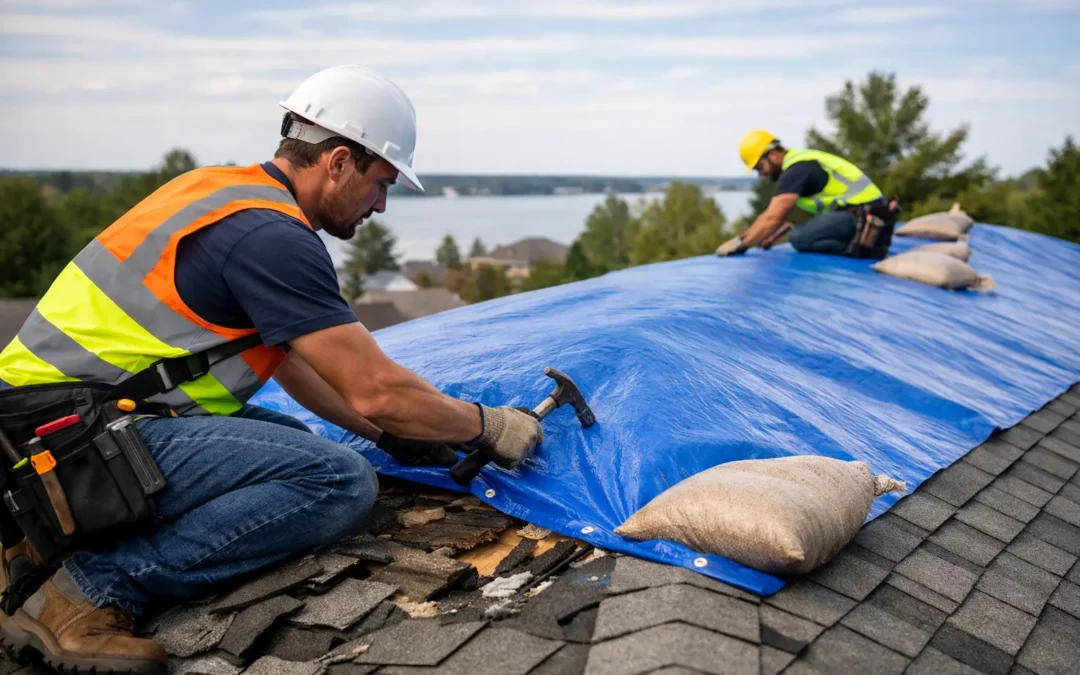
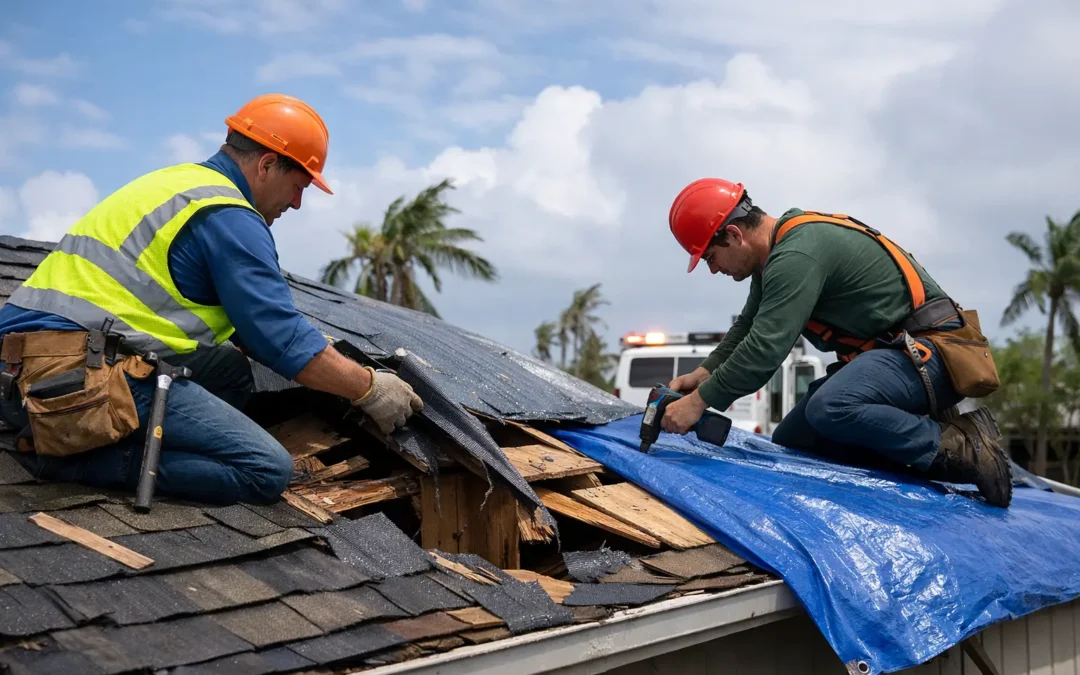
A roof leak can turn from a ceiling stain into soaked insulation, damaged drywall, and ruined belongings in a single Northeast Florida storm. When shingles, tiles, flashing, or roof decking have been compromised, a prompt roof tarping service Jacksonville property owners can rely on may be the most effective way to limit further water intrusion while a permanent repair plan is prepared.
A properly installed emergency tarp is not a cosmetic cover or a substitute for roof repair. It is a temporary protective measure designed to direct rain away from the damaged area, stabilize the roof until it can be assessed safely, and help protect the structure beneath it. The quality of that temporary work matters, especially when the next round of wind-driven rain is already on the forecast.
When a Roof Tarping Service in Jacksonville Is Needed
Not every roof issue requires a tarp. A small, isolated leak on an otherwise dry, stable roof may be better addressed through a scheduled repair. But after a severe thunderstorm, tropical system, falling branch, or sudden structural failure, tarping can buy valuable time and prevent a manageable repair from becoming a much larger restoration project.
Call for emergency assessment when you see active water entering the home or building, missing shingles or tiles, exposed underlayment, punctured roof material, visible decking, or debris that has struck the roof. A tarp may also be appropriate if water is entering around a vent, chimney, skylight, or damaged flashing and conditions make an immediate permanent repair unsafe or impractical.
Inside, look for fresh ceiling discoloration, dripping water, bubbling paint, or damp insulation in the attic. These signs do not always identify the exact point of entry. Water can travel along decking, rafters, and framing before it becomes visible indoors. That is why a professional roof inspection is more reliable than covering only the spot where the leak appears.
For commercial properties, the urgency can be even greater. A roof opening above offices, inventory, equipment, or tenant spaces can interrupt operations and expose the owner to escalating interior damage. Temporary protection should be tailored to the roof system, drainage paths, roof access, and the extent of the affected area.
What Professional Roof Tarping Actually Does
A tarp works by creating a temporary water-shedding layer over a compromised portion of the roof. It should extend beyond the visible damage, be positioned to follow the roof slope, and be secured without creating unnecessary new penetrations or weak points. The goal is to keep water moving down and off the roof rather than allowing it to collect beneath the cover.
Professional crews begin by evaluating safety and the scope of damage. Loose materials, unstable decking, steep slopes, wet surfaces, and active wind all change the approach. In some cases, the safest decision is to stabilize the area and return for more extensive work once conditions improve. Responsible emergency service is not about taking shortcuts to get on a roof during dangerous weather.
The tarp material and fastening method should fit the roof and the anticipated weather exposure. A lightweight cover that is loosely secured may shift or tear in strong wind. Overly aggressive fastening can also cause additional damage if it is done without care. Experienced roofers understand how to balance temporary weather protection with the need to preserve the roof for permanent repairs.
Just as important, a tarp allows the contractor to document visible storm damage and identify what will be needed next. That may mean replacing a limited section of shingles, repairing flashing, replacing broken tile, addressing damaged decking, or recommending a larger roof replacement if the system is already near the end of its service life.
Why Jacksonville Roofs Need Fast, Careful Protection
Jacksonville roofs face a demanding mix of intense sun, heavy seasonal rain, high humidity, hurricane threats, and sudden thunderstorms. Wind can lift shingle edges and loosen fasteners. Flying limbs can fracture tile or puncture asphalt roofing. Once water gets beneath the outer roofing material, it can affect underlayment, wood decking, insulation, and interior finishes.
Delaying action has consequences that are not always immediately visible. Moisture trapped in an attic or wall cavity can encourage mold growth and wood deterioration. Wet insulation loses performance. A small opening can widen as repeated rain and wind work against already weakened materials.
Still, urgency should not push property owners into hiring the first person who offers to place a tarp. Storm-chasing contractors and unverified crews may provide a quick cover without a clear assessment, proper safety practices, proof of insurance, or a plan for permanent repairs. Ask who will perform the work, how the damage will be documented, what the tarp covers, and what follow-up is recommended.
What to Do Before the Roofing Crew Arrives
Your first priority is personal safety. Do not climb onto a wet roof, walk near sagging ceilings, or attempt to remove debris that is tangled in power lines. Even a one-story roof can become extremely hazardous after a storm, particularly when damaged materials and wet surfaces are involved.
From the ground, take clear photos of visible roof damage if it is safe to do so. Inside, move furniture, electronics, and valuables away from the leak. Place containers under active drips and use towels to contain water on hard surfaces. If a ceiling is bulging with collected water, keep people out of the area and contact a qualified professional promptly. A ceiling can fail without much warning.
If possible, record the date and time of the storm, save weather alerts, and keep receipts for emergency mitigation. Your insurance carrier may request documentation. However, do not wait for an insurance decision before taking reasonable steps to prevent additional damage. Temporary protection is often a practical part of protecting the property, though coverage depends on your policy and the cause of loss.
From Temporary Tarp to Lasting Roof Repair
A tarp should start a recovery process, not end it. Once weather allows, the roof needs a thorough evaluation to determine whether the damage is isolated or part of a larger issue. An aging roof with widespread granule loss, brittle shingles, repeated leaks, or damaged underlayment may not be a good candidate for another small repair.
The right solution depends on the roof type, its age, the amount of damage, local code requirements, and how well the existing system can be matched. For example, a repair may make sense after a branch damages a small area of a newer shingle roof. If the roof is nearing replacement age and has damage in multiple locations, replacement can offer more dependable long-term protection and clearer warranty coverage.
Material selection matters in Florida. Quality roofing systems from established manufacturers such as GAF, Owens Corning, CertainTeed, and Eagle Roofing are designed with specific installation requirements. The workmanship beneath the visible material matters just as much, including underlayment, flashing, ventilation, fasteners, and the condition of the roof deck.
Stonebridge provides emergency roof tarping as part of a complete roofing response for Jacksonville-area homeowners and commercial property owners. Its GAF Master Elite® certification reflects ongoing training and a commitment to installation standards that protect a property beyond the immediate emergency. After temporary protection is in place, a clear estimate and repair recommendation can help you make a sound decision without pressure.
Choose Protection That Holds Up Until Repairs Begin
A tarp is only temporary, and its condition should be monitored after additional wind or rain. Do not assume a covered roof is permanently watertight. If the tarp shifts, water appears indoors again, or new damage becomes visible, arrange another professional inspection promptly.
The best next step after roof damage is straightforward: protect the opening, document what happened, and have qualified local roofers evaluate the full system. Fast, careful action can preserve your home or business, reduce the scope of interior repairs, and give you a safer path back to lasting peace of mind.
A hurricane can leave a roof looking intact from the driveway while water is already moving beneath lifted shingles, cracked tiles, damaged flashing, or displaced underlayment. Emergency roof repair after hurricane damage is about stopping that exposure quickly and safely, then making informed decisions about the permanent work ahead. For Jacksonville and Northeast Florida property owners, the first hours after a storm can make a meaningful difference in preventing interior damage, mold growth, and a much larger repair bill.
Put Safety Before the Roof
Do not climb onto a hurricane-damaged roof. Wet surfaces, hidden soft spots, downed power lines, and loose materials make even a one-story roof dangerous. If your home has active water intrusion, move valuables away from the leak, place buckets under drips where it is safe to do so, and shut off electricity to the affected area if water is near outlets, fixtures, or the electrical panel.
Start your inspection from the ground. Look for missing shingles, scattered tile, bent or detached gutters, exposed roof decking, damaged vents, and tree limbs resting on the structure. Inside, check ceilings, attic spaces, and upper walls for water stains, sagging drywall, damp insulation, or a musty odor. A roof leak may appear several feet away from the actual opening because water can travel along rafters and decking before it becomes visible indoors.
If a tree has penetrated the roof, a section of roof has collapsed, or structural movement is visible, keep people out of that part of the property. Contact emergency services when there is an immediate hazard, then arrange for a qualified roofing professional to assess the damage.
Document Damage Before Temporary Repairs
Once conditions are safe, take clear photos and video from the ground and throughout the interior. Capture wide shots of each roof slope you can see, along with close-ups of debris, missing materials, ceiling stains, and damaged belongings. Include photos of the exterior elevations, gutters, screens, siding, and windows. Hurricane damage is not always limited to the roof.
Make a dated list of what you observe, including when the leak began and which rooms are affected. Keep receipts for reasonable emergency expenses, such as water mitigation, tarping, or temporary boarding. This documentation supports an insurance claim and gives your contractor a better starting point when conditions allow for a full inspection.
It is wise to notify your insurance carrier promptly, but do not wait for an adjuster before taking reasonable steps to prevent additional damage. Most policies expect property owners to mitigate further loss. A professionally installed emergency tarp can be a critical part of that effort.
What a Professional Roof Tarp Should Do
A tarp is not a permanent repair, and it should never be treated as one. Its purpose is to create a temporary water-shedding barrier until the roof can be inspected, approved, and repaired correctly. Proper tarping requires more than stretching a plastic sheet over a leak.
A roofing crew should identify the damaged area, extend the tarp beyond the opening, secure it to withstand wind and rain, and avoid creating unnecessary punctures in sound roofing materials. The crew should also evaluate whether water has entered the attic or wall system. A roof may need more than a tarp if the decking, framing, or flashing has been compromised.
DIY tarping can be tempting when contractors are in high demand after a hurricane. The trade-off is significant: an improperly secured tarp can tear loose, direct water into another vulnerable area, or expose the homeowner to a serious fall. Professional emergency service is generally the safer choice, particularly when damage is high on the roof or conditions remain wet and windy.
What Happens During an Emergency Roof Inspection
After the immediate opening is protected, a thorough inspection determines whether the roof can be repaired or whether hurricane damage has affected the larger system. That distinction matters. Replacing a few missing shingles may solve a localized problem, but it will not correct widespread wind damage, saturated decking, or compromised underlayment.
A qualified inspector should assess shingles or tiles, ridge caps, flashing around chimneys and walls, roof penetrations, vents, valleys, gutters, decking, and the attic beneath the affected area. On commercial properties, the review may also include membrane seams, drains, curbs, edge metal, and rooftop equipment penetrations.
Florida roofs can sustain wind damage that is not immediately obvious. Shingles may be creased, loosened, or partially unsealed without blowing completely off. Tile may crack at fastener points. Flashing can lift just enough to allow wind-driven rain inside. These conditions deserve a professional assessment before they become recurring leaks during the next heavy storm.
Repair or Replacement: How to Make the Right Call
The right solution depends on the roof’s age, material, condition before the storm, and the extent of damage. A newer roof with a limited damaged section may be a strong candidate for targeted repair. When matching materials are available and the surrounding roof remains sound, a repair can restore protection without the cost of a full replacement.
Replacement may be the more responsible option when damage is widespread, the roof is near the end of its service life, leaks have occurred in multiple areas, or underlying materials have deteriorated. A patchwork approach can cost less today but create repeated repair visits, inconsistent performance, and uncertainty during the next hurricane season.
Ask for a clear explanation of the recommended scope. A dependable contractor should show you the damaged areas, explain what can be repaired, identify any conditions that warrant replacement, and provide a written estimate. The lowest quote is not always the lowest long-term cost, especially if it excludes proper underlayment, flashing, ventilation, cleanup, or warranty coverage.
Be Careful With Post-Storm Contractor Decisions
After a hurricane, homeowners often encounter unfamiliar contractors going door to door or offering immediate repairs with little documentation. Urgency is real after storm damage, but it should not force a rushed contract decision.
Before authorizing permanent work, verify that the contractor is properly licensed and insured, has a local operating presence, and can provide a detailed written scope. Ask who will perform the work, what materials will be used, how the property will be protected during repairs, and what workmanship and manufacturer warranty options apply. Avoid signing documents you do not understand or paying the full project amount upfront.
Local experience matters because Northeast Florida roofs face more than a single storm event. They must hold up against intense sun, humid conditions, heavy rain, salt air in coastal areas, and repeated wind exposure. Stonebridge brings GAF Master Elite® credentials, professional-grade materials, and Florida-focused workmanship to emergency assessments and long-term roof solutions.
Protect the Interior While the Roof Is Being Addressed
Even after a tarp is installed, keep monitoring the interior. Run fans and dehumidifiers in affected spaces when safe to do so, and remove wet rugs, insulation, or furnishings promptly. Drying is time-sensitive. Moisture trapped in drywall, insulation, and framing can lead to mold and deterioration long after the visible leak stops.
Do not paint over water stains or close up wet building materials before the source of moisture has been corrected and the area has dried. If water has affected a large area, professional mitigation may be necessary. Your roofing contractor and water restoration provider should have a clear understanding of where the roof damage occurred and what materials were exposed.
Plan for a Stronger Roof After the Emergency
A hurricane repair is also an opportunity to address vulnerabilities that existed before the storm. Better flashing details, upgraded underlayment, properly installed ventilation, secure edge protection, and compatible roofing materials can improve long-term performance. If a replacement is needed, homeowners may also consider whether an integrated solar roofing option fits their energy goals and the new roof system.
The best time to think about resilience is not when skies are clear and the damage is forgotten. Keep records of your roof’s age, maintenance history, warranty information, and prior repairs. Schedule preventative inspections before hurricane season, clear debris from roof valleys and gutters, and address small leaks before wind-driven rain turns them into an emergency.
When a hurricane damages your roof, the immediate goal is simple: protect people, stop water from entering, document what happened, and get a qualified local professional involved. A calm, well-documented response gives your property the best chance to recover well and be ready for the weather Florida will bring next.
House painting is typically done during mild weather, but it doesn’t mean you can’t do it any other time of the year. Here are the reasons why roof painting during the winter season is not a bad idea.
It’s Easier to Find a Good Contractor
Summer is the peak season for building, Jacksonville roofers, and remodeling contractors. This means if you are planning on any kind of home improvement during the summer break, you need to book it months ahead. Otherwise, your list of available professional painters will be very short. Having your house painting done during off-peak season will give you a better selection, perhaps even on short notice.
If you choose to paint your house yourself, you have to take certain precautions to make sure you get the best results, particularly when exterior painting is involved. Keep an eye on air and surface temperatures as most types of paint need to cure at about 35 degrees or higher. If upper-story walls are part of your exterior painting project, you’d be risking injury unless you have safety training and equipment. It should be left to professionals.
Paint Dries Faster
Humidity levels are generally low during the winter season, which helps paint dry faster. This is ideal when you’re painting your home’s exterior and have a limited window of time to paint, or you are indoors and need to open the windows for ventilation. You may have to allow for a bit of heat loss as your paint dries, but the tradeoff – quicker drying means fewer fumes – is worth it. Comparatively, humidity levels are high during the summer season.
You’ll Be Up to Date With Color Trends
Design publications typically announce upcoming trends towards the end of the year. Doing your house painting around the same time gives you the option to be ahead of the curve by incorporating the trendiest color combinations into your home’s color palette.
Stonebridge Roofing, Waterproofing, and Exteriors is your leading provider of roofing and home exterior waterproofing services. Give us a call at (904) 262-6636. You can also fill out our contact form to schedule an appointment.
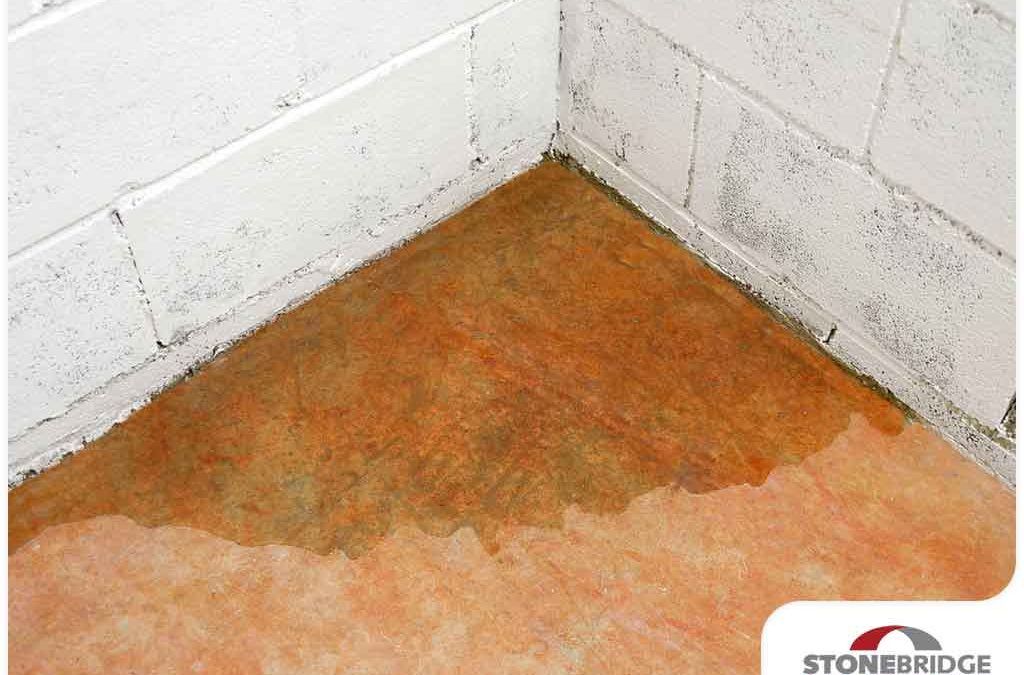
Waterproofing your home is extremely important. Waterproofing failure can result in water intrusion in critical areas, such as the basement and house foundations. Today, we discuss the common causes of waterproofing failure.
Wrong Product Selection
Waterproofing isn’t a one-size-fits-all solution. With a standard waterproofing installation, a membrane is installed between the bare soil and the house foundations. A primer or adhesive is applied onto the membrane to make it adhere to the foundation slabs and walls. The wrong combination of primer and membrane can result in debonding, which, in turn, results in the membrane losing its adhesion and creating gaps in the seams that will ultimately allow moisture to penetrate the structure.
Using the right waterproofing membrane also matters in home exterior waterproofing. Inexperienced contractors substitute materials like ethylene propylene diene terpolymer (EPDM) or thermoplastic polyolefin (TPO) – both of which are commonly used for commercial roofing – as waterproofing membranes. While these materials are water-resistant, they are not suitable for use for below-grade waterproofing.
Poor Preparation
Proper preparation is important in waterproofing as there will be no chance for a do-over once the slabs are laid into the ground. To ensure proper waterproofing membrane adhesion, foundation slabs need to have even surfaces, without moisture or contaminating substances like oils and dirt. Improperly prepared slabs can result in poor adhesion, resulting in water infiltration. Incorrect installation methods, including improper overlaps, can likewise result in waterproofing failure.
House Movement
A house may settle because of the ground shifting or because the composition of the soil has changed. The latter is usually due to improperly routing water from the gutters either due to overflow or leaks. As the soil absorbs the excess water, it becomes softer, resulting in parts of the house settling into the ground. If this happens, the waterproofing membrane would get torn apart, resulting in gaps where moisture can get in.
Ultimately, the solution to these problems is simple: work with an experienced exterior waterproofing contractor. Building-appropriate solutions like waterproofing coatings can be used when needed
Stonebridge Roofing, Waterproofing, and Exteriors is your leading provider of waterproofing and other home exterior renovation services. Give us a call at (904) 262-6636.
Waterproofing is essential in both residential and commercial structures. It’s also one of the best things you can do to care for your home, especially if it has multiple levels.
A Stronger Structure
Concrete waterproofing extends the lifespan of a structure by minimizing water penetration through ceilings, walls, or floors. Ensuring these parts of your home are safe from water infiltration can prevent rust, rot, corrosion, and deterioration.
Higher Home Value
Mold and water damage can reduce your property value by up to 25%. On the other hand, waterproofing increases your home’s protection and overall value. If you’re thinking of waterproofing your home, then you must hire a skilled contractor to do the job.
Mold Prevention
Waterproofing can also help in improving indoor air quality and avoiding health risks. Moisture that settles in the ceilings and walls can cause mold to grow. Mold can trigger allergies and asthma as well as compromise your immune system.
Lower Maintenance Costs
You can save on costly repairs by investing in waterproofing your home. A home that doesn’t have moisture-related issues is easier to maintain. Keep in mind that water damage can result in issues with electrical systems, paint jobs, and wooden components. A small amount of water is enough to cause cracks in concrete.
Sump Pump Protection
Sump pumps can greatly help with basement waterproofing, but sometimes they can experience issues. Additional waterproofing in the basement can provide added protection to your home in case the sump pump stops working.
For reliable waterproofing services, turn to Stonebridge Roofing, Waterproofing, and Exteriors. We are one of the area’s most experienced roofers and providers of home exterior services. Our team will make sure that your home stays protected from moisture-related problems, including mold and mildew. Call us at (904) 262-6636, or fill out our contact form to get a free quote.