How to Choose a Jacksonville FL Roofing Company

How to Choose a Jacksonville FL Roofing Company

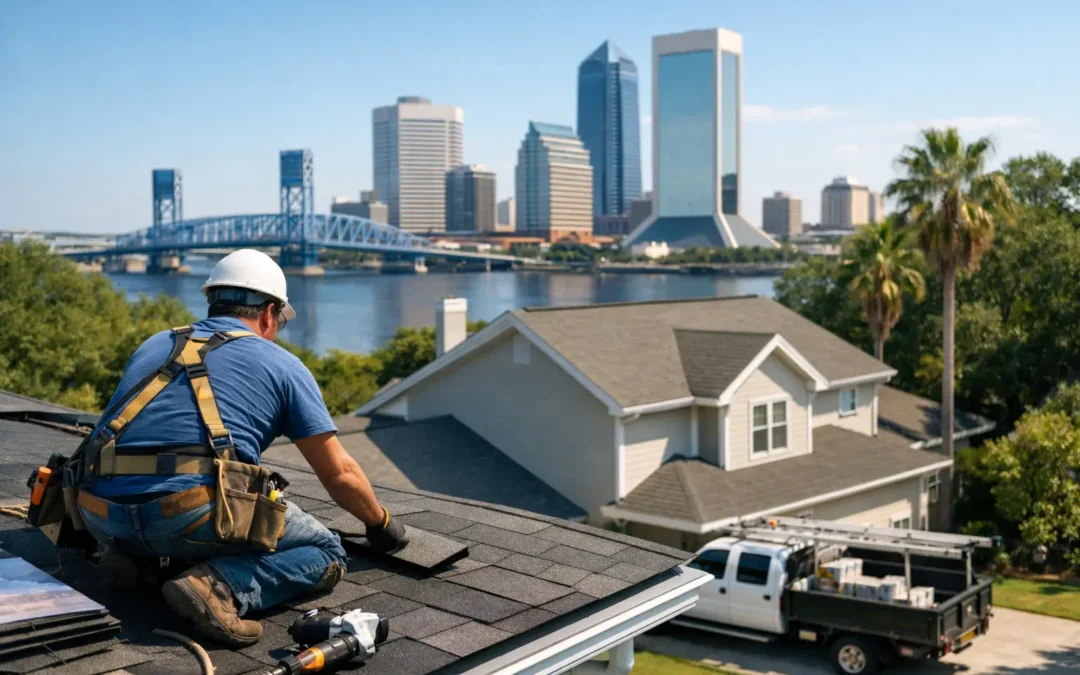
A roof can look acceptable from the driveway and still be one hard rain away from a leak. In Jacksonville, heat, humidity, intense UV exposure, wind-driven rain, and hurricane-season storms put every part of a roofing system to work. Choosing a Jacksonville FL roofing company is not simply about finding someone who can install shingles. It is about selecting a contractor who understands how to protect your home, business, and budget through the conditions Northeast Florida actually faces.

The lowest estimate can be tempting, especially when a roof replacement was not part of the plan. But a roof is a long-term protective system with layers, ventilation, flashing, drainage details, and manufacturer requirements that all matter. The right contractor helps you understand the work, documents the condition of your roof, and stands behind the result after the crew has left.

What Jacksonville Weather Demands From a Roof

Florida roofs take a different kind of beating than roofs in milder climates. Summer temperatures can accelerate aging, while daily rainstorms test flashing, valleys, pipe boots, and drainage. Salt air can also affect certain materials and metal components in coastal areas. Then there is the wind exposure that comes with tropical systems and severe thunderstorms.

This is why a roof should be evaluated as a complete assembly, not just as a field of shingles or tiles. A dependable contractor looks at the roof deck, underlayment, ventilation, flashing, penetrations, gutters, and the condition of adjoining exterior features. A missing shingle may be the visible issue, but the underlying cause could be failed sealant, weakened flashing, improper installation, or moisture that has traveled farther than expected.

Local experience matters because the best recommendation depends on your roof style, its age, the material already in place, your neighborhood’s exposure, and whether the problem is isolated or systemic. A repair may be the right answer. In other situations, repeated repairs can become an expensive way to delay a replacement that is already due.

Start With the Right Roofing Need

Before comparing contractors, define what has changed. A ceiling stain after a storm, curled or missing shingles, cracked tiles, granules in gutters, sagging areas, or an aging roof near the end of its expected service life all call for an inspection. If water is actively entering the property, emergency tarping or storm repair may be needed before a permanent solution can be planned.

For a small, recent issue on an otherwise healthy roof, a targeted repair can preserve the remaining life of the system. The trade-off is that an older roof may not accept a perfect color match, and surrounding materials can still be nearing failure. A reputable contractor should explain that distinction rather than promise that one repair will make an aging roof new again.

Replacement becomes more practical when damage is widespread, leaks keep returning, materials are brittle or worn, or a repair would affect a large portion of the roof. It can also be the better investment when a homeowner is preparing for a major exterior renovation, adding solar, or seeking stronger warranty coverage. The goal is not to sell the biggest project. It is to recommend the work that gives the property reliable protection.

How to Evaluate a Jacksonville FL Roofing Company

Credentials are a useful starting point, but they should be paired with clear communication and a detailed scope of work. Ask whether the contractor is properly licensed and insured, whether they use trained crews, and whether they have manufacturer certifications relevant to the roofing system being proposed. These details affect accountability, installation quality, and access to certain enhanced manufacturer warranties.

For example, GAF Master Elite® certification is held by fewer than 2% of roofing companies nationwide. It reflects ongoing training and compliance with GAF requirements, and it may provide access to stronger warranty options on qualifying systems. Certification alone should not make the decision for you, but it is meaningful evidence that a contractor has met a high manufacturer standard.

Also look for a company that can explain its process without hiding behind vague language. You should know how the roof will be protected during the work, how landscaping and driveways will be treated, who will manage the project, and how cleanup will be handled. Professional installation includes the details homeowners often do not see, from proper flashing transitions to magnetic nail sweeps around the property.

A trustworthy estimate should identify the roofing material, underlayment, flashing work, ventilation considerations, tear-off or disposal needs, and warranty options. It should also address possible deck repairs if hidden damage is found after old materials are removed. No contractor can see every condition beneath an existing roof in advance, but they can explain how those discoveries will be documented and approved.

Materials Matter, but System Design Matters More

Jacksonville property owners have several durable roofing choices, including asphalt shingles, tile, metal, and commercial low-slope systems. The right option depends on the roof structure, architectural style, budget, maintenance expectations, and desired service life. A material that performs well on one home may not be the best fit for another.

Established manufacturers such as GAF, Owens Corning, CertainTeed, and Eagle Roofing offer options across different roofing categories. Yet brand name alone does not guarantee performance. The underlayment, starter materials, ridge components, flashing, fasteners, attic ventilation, and installation methods must work together. A premium shingle installed over weak details is still vulnerable during a Florida storm.

Ask the contractor to explain why a particular system fits your property. For example, attic ventilation can influence heat and moisture management, but the appropriate approach depends on the home’s design and existing intake and exhaust conditions. Good recommendations are specific, not one-size-fits-all.

Read Estimates Beyond the Bottom Line

When two estimates differ significantly, compare the scope before assuming one contractor is overpriced. One proposal may include full tear-off, upgraded underlayment, new flashing, ventilation improvements, permit handling, and comprehensive cleanup. Another may omit items that become costly changes later.

Pay attention to what is written, not only what is discussed during an appointment. A clear proposal makes it easier to compare materials, labor coverage, payment terms, projected timing, and exclusions. It also creates a shared understanding of what the project includes.

Financing can be helpful for a major roof replacement or combined roof-and-solar project, particularly when an urgent failure leaves little time to save. However, financing should support a sound roofing decision, not push you into unnecessary upgrades. Review the terms carefully and choose a payment approach that works for your household or property budget.

Commercial Roofs Need a Different Level of Planning

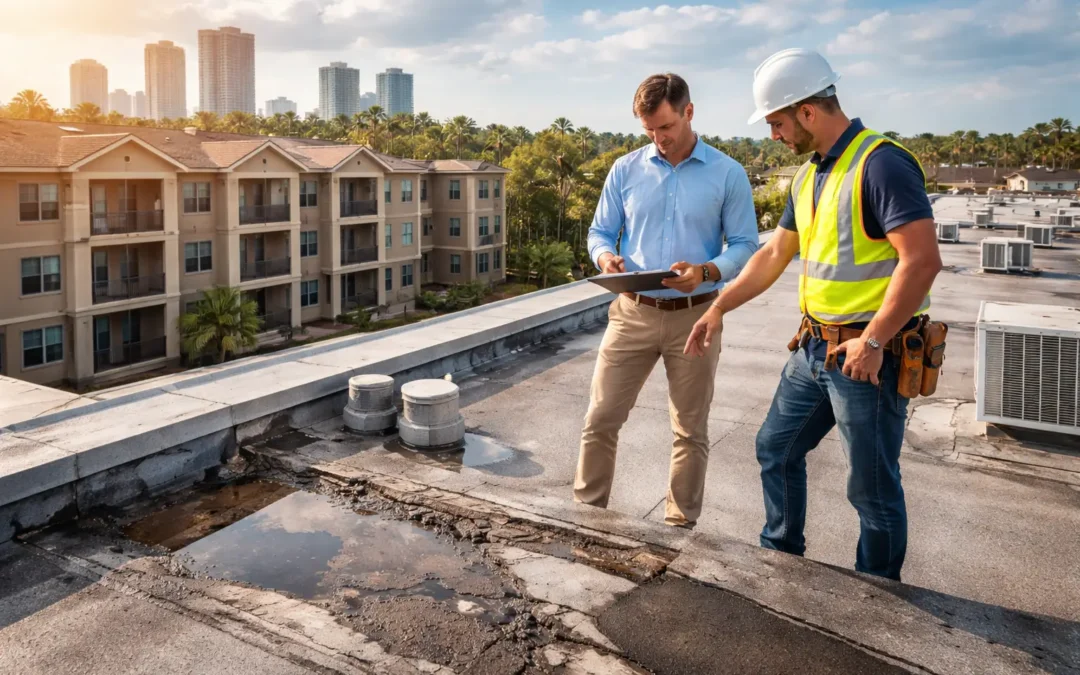
Commercial property owners and managers need more than a fast patch when a roof issue appears. A leak can interrupt operations, damage inventory, affect tenants, and create safety concerns. Commercial roofing decisions also involve drainage, rooftop equipment, access requirements, insulation, membrane condition, and the need to minimize disruption.

A qualified commercial roofing contractor should assess the full roof condition and provide practical options, whether that means a focused repair, preventative maintenance, restoration planning, or replacement. Responsive service matters, but so does documentation that helps owners plan capital expenses instead of reacting to each new leak.

Storm Response Should Be Fast and Disciplined

After severe weather, avoid making a rushed decision based on a door-to-door pitch or a promise that sounds too easy. If your roof has active damage, prioritize immediate protection. Emergency tarping can limit further water intrusion while the roof is inspected and a permanent repair plan is prepared.

Take photos from the ground when it is safe to do so, note when the damage occurred, and keep records of visible interior impacts. A professional contractor can identify storm-related damage, explain immediate risks, and provide an estimate grounded in the actual condition of the roof. Never climb onto a wet, steep, or damaged roof to investigate it yourself.

Consider Solar When the Roof Is Ready

A roof replacement can be a smart time to consider solar energy because both projects involve long-term planning around your home’s exterior. Integrated options such as GAF Timberline Solar™ roofing shingles can provide an alternative to a traditional panel installation for homeowners who want a more unified appearance.

Solar is not automatically right for every roof. Orientation, shading, electrical needs, energy goals, roof condition, and budget all matter. The key is to avoid placing a new solar system on a roof that will soon need replacement. Coordinating roof and energy decisions can prevent unnecessary removal and reinstallation costs later.

Your roof protects the place where your family lives, works, and gathers. Choose a contractor willing to inspect carefully, explain honestly, and build for the next Florida storm, not just the next inspection. Stonebridge offers free, no-obligation estimates so Jacksonville property owners can make that decision with a clear view of their roof’s condition and options.
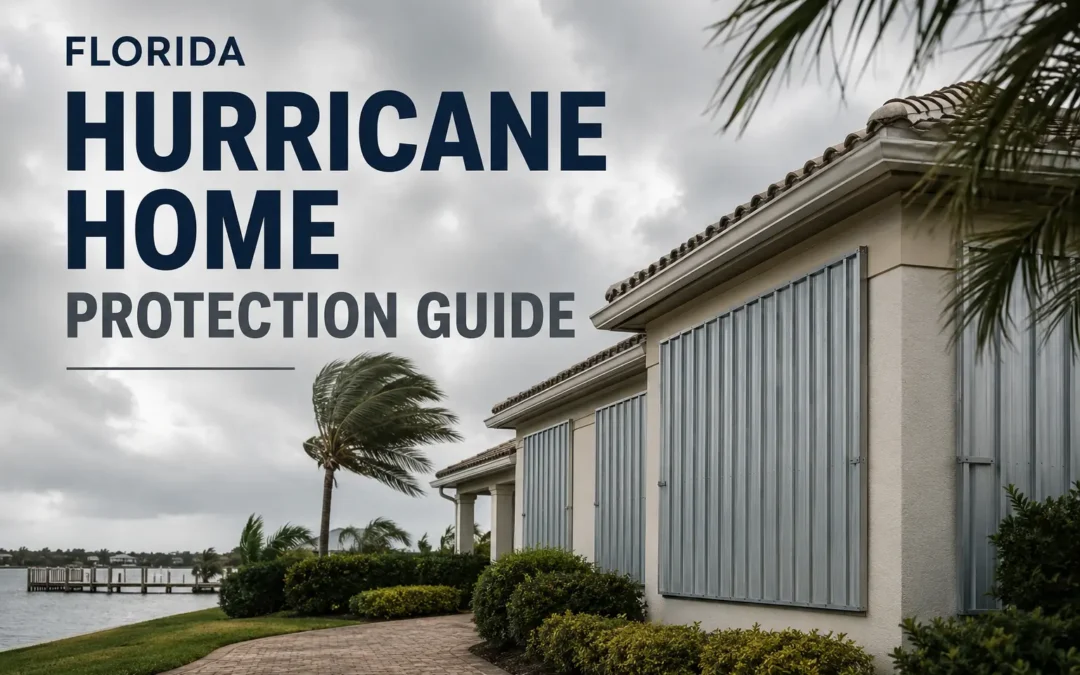
Florida Hurricane Home Protection Guide (2026)

Florida Hurricane Home Protection Guide (2026)

Florida homeowners face some of the most demanding weather conditions in the United States. From hurricanes and tropical storms to heavy rain, wind damage, and flooding, protecting your home is not optional—it’s essential.

This guide explains how to prepare your home for Florida hurricane season, reduce storm damage risks, and improve long-term property resilience in Jacksonville and Northeast Florida.

At Stonebridge Roofing, Energy, and Exteriors, we’ve spent over 30 years helping Florida homeowners strengthen and restore their properties against severe weather events. Our focus is simple: build and protect homes that can withstand Florida’s toughest conditions.

Why Hurricane Preparedness Matters in Florida

Florida’s hurricane season runs from June through November, bringing risks such as:

  • High winds exceeding 100+ mph
  • Wind-driven rain and roof leaks
  • Flying debris damaging siding and windows
  • Storm surge and localized flooding
  • Long-term moisture intrusion and mold growth

Even storms that don’t make direct landfall can cause significant damage in Jacksonville and surrounding coastal areas.

Proper hurricane preparedness helps reduce repair costs, insurance claims, and long-term structural issues.

Florida Hurricane Home Protection Checklist

To protect your home before storm season, Florida homeowners should focus on preventative maintenance and exterior durability:

Roof & Exterior Inspection

  • Check for loose or missing shingles
  • Inspect flashing, ridge caps, and seals
  • Look for signs of water intrusion or soft spots

Drainage & Water Control

  • Clean gutters and downspouts
  • Ensure proper roof drainage flow
  • Check for pooling water near the foundation

Structural Preparation

  • Trim trees and remove weak branches
  • Secure outdoor furniture and loose objects
  • Inspect siding, soffits, and fascia

Storm Readiness Upgrades

  • Impact-resistant roofing materials
  • Hurricane-rated windows or shutters
  • Waterproof exterior systems

Preventative maintenance is one of the most cost-effective ways to reduce storm damage in Florida homes.

Roofing: Your First Line of Defense in a Hurricane

Your roof is the most important barrier between your home and Florida’s extreme weather.

Professional roofing systems designed for hurricane zones include:

  • High-wind-rated shingles and metal roofing systems
  • Reinforced roof decking and fasteners
  • Waterproof underlayment systems
  • Proper flashing and edge sealing

At Stonebridge Roofing, Energy, and Exteriors, we specialize in Florida-ready roofing systems built for durability, energy efficiency, and storm resistance.

Jacksonville Hurricane Preparation Tips

Homeowners in Jacksonville and Northeast Florida should take additional local risks into account:

  • Coastal wind exposure increases roof stress
  • Heavy rainfall can overwhelm drainage systems
  • High humidity accelerates mold after storm damage
  • Older homes may not meet current wind codes

Regular inspections before hurricane season are highly recommended for Jacksonville properties.

What to Do After a Hurricane or Severe Storm

Even if your home appears undamaged, hidden issues may exist.

After a storm, homeowners should:

  • Inspect the roof for lifted shingles or leaks
  • Check attic spaces for moisture
  • Document any visible damage for insurance claims
  • Inspect windows and exterior seals
  • Schedule a professional inspection if needed

Early detection prevents costly long-term repairs such as rot, mold, and structural deterioration.

Florida Home Weather Safety Starts with Preparation

The best way to protect your home is to prepare before storms arrive—not after damage occurs.

Working with experienced local contractors ensures your home is built and maintained for Florida’s unique climate challenges.

Stonebridge Roofing, Energy, and Exteriors provides comprehensive roofing, waterproofing, and exterior protection and emergency services throughout Jacksonville and Northeast Florida.

Call our team of experts today to make sure you are prepared, 904.262.6636.

How do I prepare my home for a hurricane in Florida?

Inspect your roof, clean gutters, secure outdoor items, trim trees, and ensure windows and doors are properly sealed before hurricane season begins.

What is the most important part of hurricane home protection?

Your roof is the most critical component, as it protects against wind, rain, and debris damage.

When is hurricane season in Florida?

Hurricane season runs from June 1 through November 30 each year.

Do I need a roof inspection before hurricane season?

Yes. Annual inspections help identify weak points before storms cause major damage.

What areas near Jacksonville are most affected by hurricanes?

Coastal and low-lying areas in Northeast Florida are most at risk due to wind exposure and storm surge potential.

Jacksonville Roofing Companies: What Property Managers Miss

Jacksonville Roofing Companies: What Property Managers Miss

What Property Managers Miss About Roof Costs (and How to Stay Ahead): Jacksonville Roofing Companies

Most property managers don’t have a roofing problem—they have a timing problem.  Roofs don’t usually fail all at once. They break down slowly, often unnoticed, until a small issue turns into a large and expensive one. By the time a leak shows up inside a unit, the real damage has already been happening for months.  This is where many Jacksonville Roofing Companies come in too late. At Stonebridge Roofing, we work with property managers who want to get ahead of these problems instead of reacting to them.

The Hidden Cost Isn’t the Roof—It’s Everything Around It
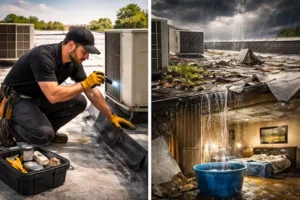
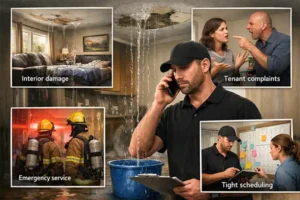
When a roof fails, the cost is rarely just the repair.  What property managers often deal with instead is:

  • Interior damage to units
  • Tenant complaints and disruption
  • Emergency service calls
  • Scheduling pressure under tight timelines

A minor roofing issue can quickly spread into multiple units, especially in multi-family buildings. What could have been a small repair becomes a larger project with more moving parts.  This is why experienced Jacksonville Roofing Companies focus on early detection, not just repairs.

Most Roof Budgets Are Built on Incomplete Information

One of the biggest challenges for property managers is planning ahead. Roofs are often treated as a “replace when needed” item, but without clear data, it’s hard to know when that moment is coming.  The result is uncertainty:

  • Is the roof good for another year—or five?
  • Should you repair or replace?
  • Are you over-spending or under-preparing?

At Stonebridge, we help property managers answer these questions early. Instead of guessing, you get a clear picture of the roof’s condition and expected lifespan.  This allows you to plan instead of react.

Why Waiting Creates More Work, Not Less

It’s easy to delay a roof inspection when there are no visible issues. But in reality, waiting often creates more problems, not fewer.  Small failures—like worn flashing or minor membrane damage—are easy to fix early. Left alone, they allow water to enter the system, which leads to larger and more expensive damage over time.

By the time a tenant reports a leak, the repair is no longer simple.  This is where working with a proactive roofing partner makes a difference. Many Jacksonville Roofing Companies focus on repairs after the fact. Stonebridge focuses on preventing those situations in the first place.

Consistency Matters More Than Price

For property managers, one of the biggest frustrations is inconsistency. Different crews, missed timelines, and unclear communication can create more problems than the roof itself.  Stonebridge is structured differently.  With in-house crews, a dedicated production manager, and field representatives, every project follows a clear process. That means:

  • Fewer delays
  • Clear communication
  • Predictable results

Instead of managing the contractor, you can focus on managing your property.

A Roofing Partner Should Reduce Your Workload

The right roofing company should not create more tasks for you—it should remove them.  At Stonebridge, our goal is to make roofing one less thing you have to think about. That means:

  • Identifying issues before tenants do
  • Providing clear, simple reporting
  • Handling repairs without constant oversight

Many property managers don’t realize how much time is lost managing reactive repairs. Working with the right Jacksonville Roofing Companies changes that.

Local Experience Makes a Difference

Jacksonville properties deal with heat, humidity, and seasonal storms. These conditions affect how roofing systems age and where problems are likely to develop.  A local roofing partner understands:

  • Common failure points in this climate
  • How materials perform over time
  • What to watch for before damage spreads

This allows for more accurate recommendations and better long-term planning.

Stay Ahead Instead of Catching Up

Roofing issues are easier—and less expensive—to manage when they are found early.  Property managers who take a proactive approach:

  • Reduce emergency repairs
  • Improve tenant satisfaction
  • Maintain better control over budgets

Working with experienced Jacksonville Roofing Companies early allows you to stay ahead instead of constantly catching up.

Work With Stonebridge

At Stonebridge Roofing, we help property managers take control of their roofing systems with clear information, consistent service, and a proactive approach.  If you manage properties in Northeast Florida, now is the time to get ahead of potential issues—not wait for them to appear.

Reach out to Stonebridge Roofing to schedule an evaluation and build a plan that works for your properties.

Why Realtors Should Address Roof Issues

Why Realtors Should Address Roof Issues

Why Realtors Should Address Roof Issues Before Listing a Home with Jacksonville Roofing Companies

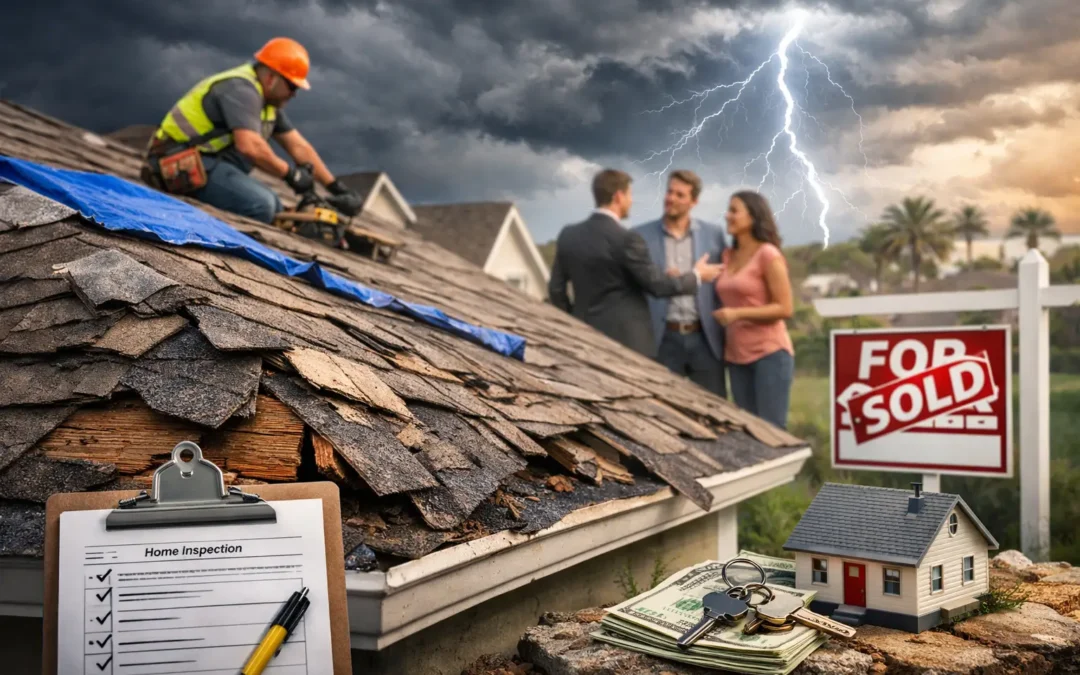
In today’s market, deals are not falling apart because homes are overpriced—they’re falling apart because of surprises.  Across the U.S., about 7.1% of home purchase agreements fail before closing, with inspection issues being one of the top reasons buyers walk away.  In Florida markets like Jacksonville, that risk is even higher due to insurance requirements and property condition concerns.

At Stonebridge Roofing, we’ve seen how roofing issues can delay or completely derail a transaction. That’s why more realtors are working with Jacksonville Roofing Companies before a home hits the market—not after a buyer is already under contract.

Roof Issues Are One of the Top Deal Killers

In Florida, the roof is not just another inspection item—it directly affects whether a deal can close.

Roof condition impacts:

  • Insurance approval
  • Loan eligibility
  • Appraisal value
  • Buyer confidence

Lenders often rely on inspection reports during underwriting, and buyers can renegotiate or cancel based on findings.  Insurance carriers also closely evaluate roof age and condition. In many cases, older roofs can delay or prevent coverage altogether.  When these issues show up late, deals slow down—or fall apart.

Why Pre-Listing Roof Inspections Matter

Real estate professionals are increasingly using pre-listing inspections to avoid last-minute surprises.  According to Florida Realtors, early inspections help eliminate the “shock” that often occurs once a buyer is already under contract.  By addressing roofing concerns early, sellers can:

  • Identify issues before they become negotiation points
  • Price the home more accurately
  • Provide transparency to buyers
  • Keep transactions moving forward

This approach gives realtors more control over the process.

Roof Condition Impacts Sale Speed and Value

Roof condition doesn’t just affect inspections—it directly impacts how quickly and profitably a home sells.

  1. Homes with newer roofs can sell 15–30% faster in Florida markets
  2. Roofing improvements often return 60%–68% of their cost at resale
  3. A strong roof can increase perceived home value significantly

On the other hand, aging or damaged roofs often lead to:

  • Price reductions
  • Longer time on market
  • Increased buyer hesitation

Why Waiting Until You Have a Buyer Is Risky
Once a home is under contract, your flexibility is gone.  If roofing issues are discovered during the inspection period:

  • Buyers may demand credits or repairs
  • Insurance requirements can delay closing
  • Negotiations become reactive instead of strategic
  • Buyers can walk away entirely

How Stonebridge Supports Realtors Early

Not all roofing contractors in Jacksonville are structured to support real estate timelines. Stonebridge is.  We work with realtors at the listing stage to provide:

  • Fast roof evaluations, often within 24 hours
  • Clear, honest assessments of roof condition and lifespan
  • Documentation to support pricing and negotiations
  • Guidance on repair versus replacement decisions
  • We provide the documentation needed for 4-point inspections, helping buyers secure coverage without delays.

This allows you to move forward with clarity instead of uncertainty.

Helping You Stay in Control of the Deal

A pre-listing roof inspection puts you in control. Instead of reacting to a buyer’s inspection report, you can:

  • Set expectations upfront
  • Eliminate last-minute surprises
  • Provide documentation to buyers and lenders
  • Reduce the risk of delays or cancellations

Buyers are more confident when they see transparency and preparation.

Work With a Roofing Partner Who Understands Real Estate
In a market where more deals are falling apart, small issues can have a big impact.  Working with experienced Jacksonville Roofing Companies early in the process helps protect your transactions, your clients, and your time.
At Stonebridge Roofing, we help realtors:

  • Identify risks early
  • Keep deals moving
  • Close with fewer complications
  • Work With Stonebridge

If you have a new listing or suspect roofing concerns, now is the time to act.
Reach out to Stonebridge Roofing for a fast, professional evaluation—so you can move forward with confidence and keep your deal on track.


Granule Loss and Heavy Rain: What Homeowners Should Know

Granule Loss and Heavy Rain: What Homeowners Should Know

Granule Loss and Heavy Rain: What Homeowners Should Know

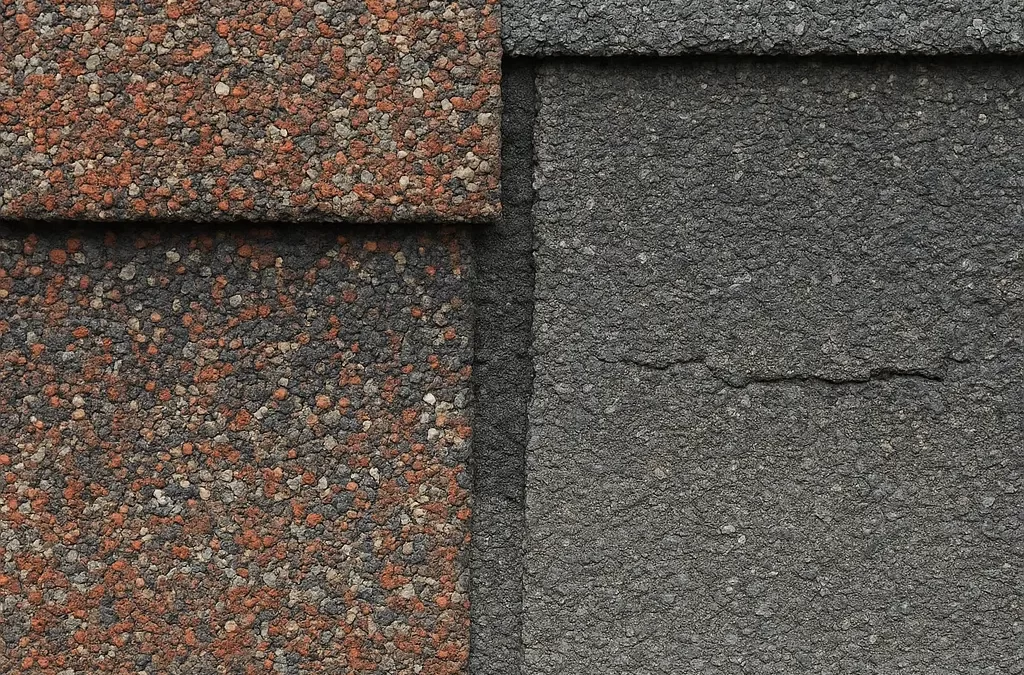
Your roof is the shield of your home. It keeps out the sun, the wind, and the rain. But even the strongest shield can wear down over time. One of the clearest signs of roof wear is granule loss on asphalt shingles. Granules are the small, rough particles that cover each shingle. They may look simple, but they do important work. Granules protect the shingle’s asphalt layer from the sun, help water run off, and even add fire resistance. When they start to fall away, your roof becomes more open to damage. This is especially true when heavy rain is on the way.


Why Granules Matter in a Storm

Granules are like armor for your roof. Without them, the asphalt underneath is exposed. Rainwater can hit directly on the bare asphalt, which absorbs moisture instead of shedding it. Over time, this makes shingles weaker, more brittle, and more likely to crack.

During heavy rain, the problem gets worse. Rain can:

  • Wash away loose granules. Aging or storm-worn shingles may lose granules faster in downpours.
  • Expose bare spots. Areas with missing granules soak in more water, speeding up wear.
  • Cause leaks. Without granules, shingles don’t shed water as well, so it can pool or sneak under the roof.

If your roof is already showing signs of wear, one strong rainstorm can push it closer to failure.


How Rain Speeds Up Granule Loss

A little granule loss is normal, especially when a roof is brand new. But heavy rain puts extra stress on shingles. Here’s how:

  • Gutters fill up fast. After a storm, check your gutters. If you see piles of dark sand-like particles, those are roof granules. A few is fine. A lot means the shingles are breaking down.
  • Wind and water together. Rain is often paired with strong winds. Wind lifts at the edges of shingles, while rain pounds from above, knocking more granules loose.
  • Repeat cycles. One storm may not ruin a roof, but storm after storm strips more granules away. Once enough are gone, shingles lose their protective layer and age quickly.

Roof Age and Storm Risk

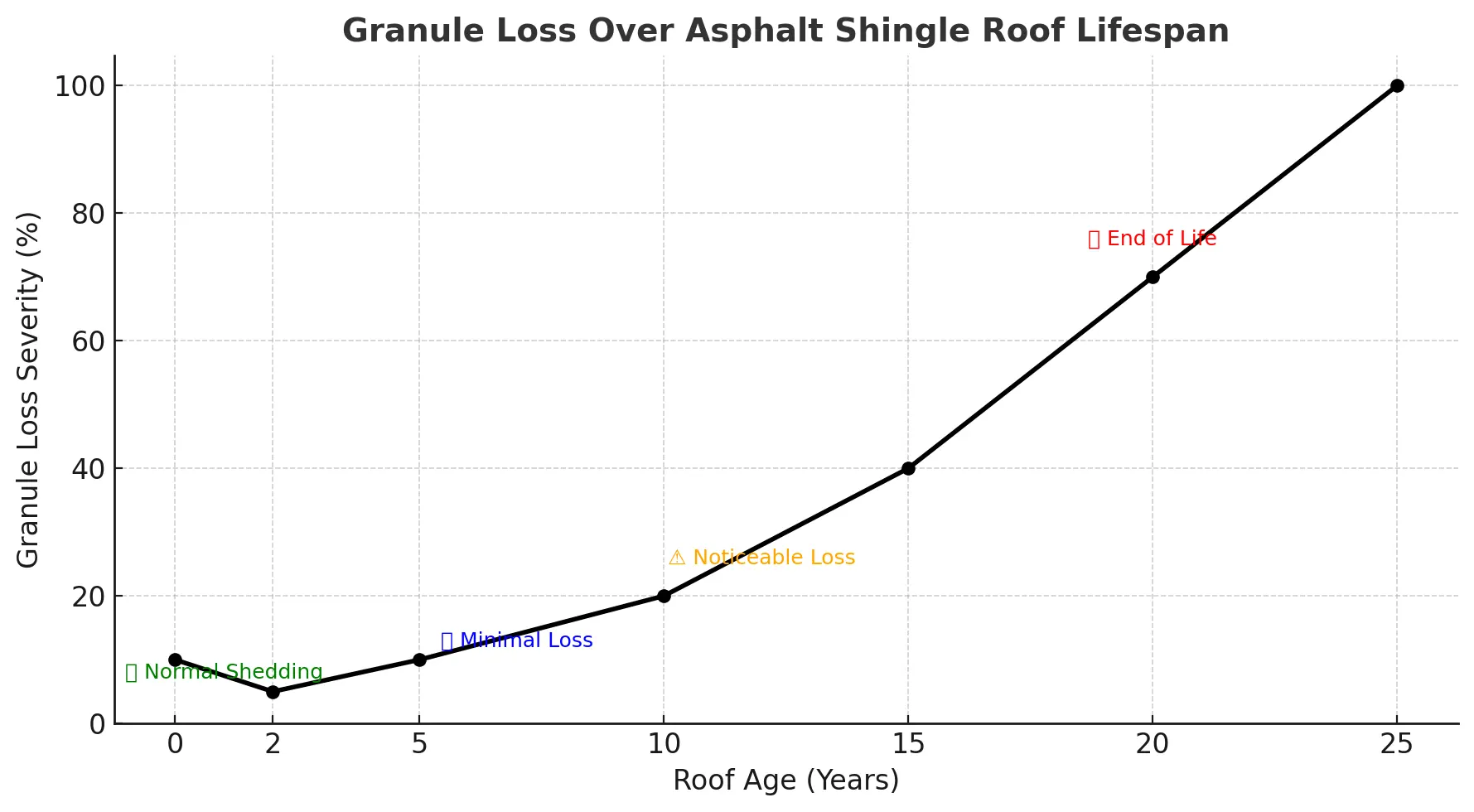
Granule loss becomes more serious as a roof gets older:

  • 0–2 years: Light shedding is normal after install. Heavy rain won’t hurt much.
  • 5–10 years: Most roofs still have good protection, but strong storms may leave more granules in gutters.
  • 10–15 years: Granule loss speeds up. Storms can create bald spots and expose asphalt.
  • 15–25 years: Roofs at this stage often show major wear. Heavy rain makes leaks far more likely.

If your roof is over 10 years old, it’s smart to be extra watchful during storm season.


The Importance of Roof Inspections

This is where roof inspections play a key role. Many homeowners don’t notice granule loss until water is already leaking inside. By then, repairs can be costly. A professional inspection before or after a storm can reveal:

  • Bald spots or shiny asphalt showing on shingles
  • Granules building up in gutters and downspouts
  • Soft spots or water stains in the attic
  • Storm damage that may not be visible from the ground

Regular inspections give peace of mind and let you catch problems before they grow.


When to Call Roofing Companies

If you see lots of granules in gutters after a rainstorm, or if your roof is over 10 years old, call local roofing companies for help. They can check if your roof is still safe or if repairs or replacement are needed. The right company will have experience in your area and know how local storms affect roofs. They’ll also be able to tell you whether the damage is from normal aging, or if it qualifies for insurance coverage due to storm impact. Stonebridge offers Free Roof Inspections to help you discover issues early before they become big problems. 


Protect Your Home Before the Next Storm

Granule loss may seem small, but when heavy rain hits, it becomes a bigger threat. Missing granules mean less protection, higher chances of leaks, and a roof that ages faster than it should.

Don’t wait until water drips into your home. Keep an eye on your gutters, watch for bald spots on shingles, and schedule regular roof inspections. Trusted roofing companies can help you get ahead of problems before the next storm rolls in.  Contact us for a free roof inspection now.

Click to view chart.

Quick Fixes for a Leaking Roof: Temporary Solutions to Keep You Dry

Quick Fixes for a Leaking Roof: Temporary Solutions to Keep You Dry

Heavy rains and winds always have the possibility of wearing down your roof protection. Leaking roofs are more than just a nuisance; they’re a beacon signaling the urgent need for repairs to protect your home from further damage. At Stonebridge, we understand the urgency of the situation. That’s why we’ve outlined 4 temporary roof leak fixes before repair—quick solutions that can buy you time before professional help arrives. However, remember, these are temporary solutions, and it’s crucial to contact a professional as soon as possible for the necessary repairs.

1. Clearing Gutters and Downspouts

Often, a leaking roof can be the result of clogged gutters and downspouts preventing proper water drainage. Leaves, twigs, and debris can accumulate in your gutters, causing water to back up and potentially enter your home. As a fast DIY fix, ensure your gutters are clean and free of any blockages. Safely use a ladder to reach your gutters and remove debris by hand or with a gutter scoop. Flush the gutters and downspouts with water from a hose if possible to ensure they’re clear and water can flow freely.

2. Tarp Covering

If the leak is extensive and a storms are not over, a tarp covering might be your best bet. Secure a large tarp over the affected area on your roof, ensuring it extends over the ridge and down the other side. Secure the tarp with sandbags or heavy items if possible to not create any more damage with nails or sharp objects. This method provides a temporary barrier against rainwater until repairs can be made.

3. Sealant Spray Solution

For a swift response to a leaking roof that doesn’t involve roofing tar, consider using a sealant spray. These aerosol sealants can be applied directly to the leak area from the inside of your attic. First, identify the leak source by looking for dampness or sunlight breaking through the roof. Clean the area around the leak to ensure it’s free from debris and moisture for optimal adhesion. Then, shake the can well and spray the sealant liberally over the leak, covering it completely. Sealant sprays are excellent for sealing small holes and cracks temporarily and can quickly create a waterproof barrier over the affected area.

This approach is best for minor leaks and should be seen as a temporary fix until professional repairs can be carried out. The ease of application makes it a convenient option for immediate leak mitigation, but it’s essential to schedule a professional inspection and repair to address the underlying issues and  prevent future leaks.

4. Applying Rubber Sealants

For leaks around roof fixtures like vents or chimneys, a rubber sealant can offer a temporary fix. These areas often leak due to broken seals, and applying a waterproof rubber sealant around the base of the fixtures can prevent water from penetrating your home. Ensure the area is dry before application for the best results.


Don’t Wait – Contact Stonebridge ASAP!

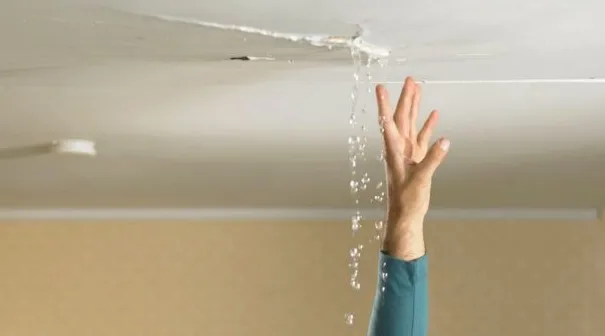
If you’re dealing with a leaking roof, don’t delay in seeking professional help. While temporary roof leak fixes before repair can help minimize immediate damage, they are not long-term solutions. Stonebridge offers Emergency Roof Repair Services to provide the expertise and services you need to protect your home and family. Contact us as soon as possible for the necessary repairs. Remember, a quick response can save you time and money in the long run.