How to Choose a Jacksonville FL Roofing Company

How to Choose a Jacksonville FL Roofing Company

A roof can look acceptable from the driveway and still be one hard rain away from a leak. In Jacksonville, heat, humidity, intense UV exposure, wind-driven rain, and hurricane-season storms put every part of a roofing system to work. Choosing a Jacksonville FL roofing company is not simply about finding someone who can install shingles. It is about selecting a contractor who understands how to protect your home, business, and budget through the conditions Northeast Florida actually faces.

The lowest estimate can be tempting, especially when a roof replacement was not part of the plan. But a roof is a long-term protective system with layers, ventilation, flashing, drainage details, and manufacturer requirements that all matter. The right contractor helps you understand the work, documents the condition of your roof, and stands behind the result after the crew has left.

What Jacksonville Weather Demands From a Roof

Florida roofs take a different kind of beating than roofs in milder climates. Summer temperatures can accelerate aging, while daily rainstorms test flashing, valleys, pipe boots, and drainage. Salt air can also affect certain materials and metal components in coastal areas. Then there is the wind exposure that comes with tropical systems and severe thunderstorms.

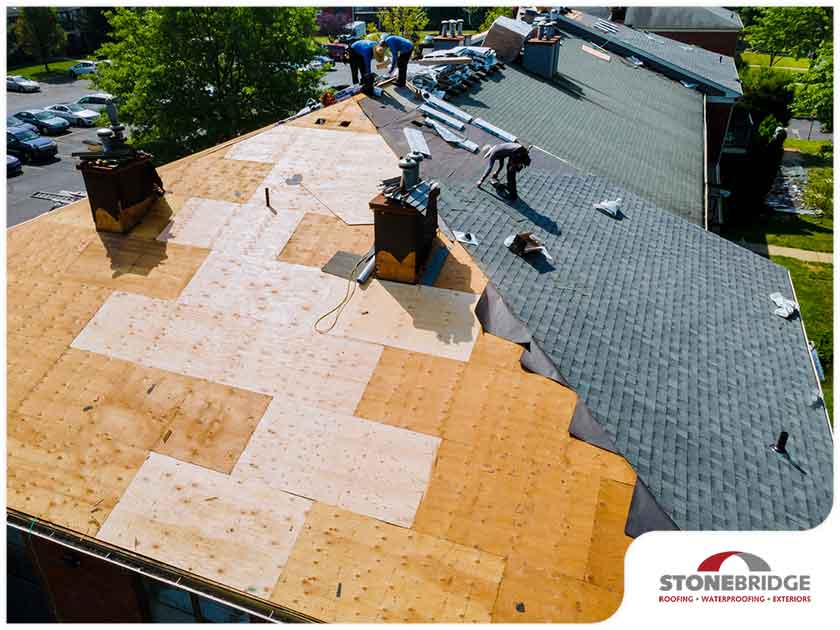
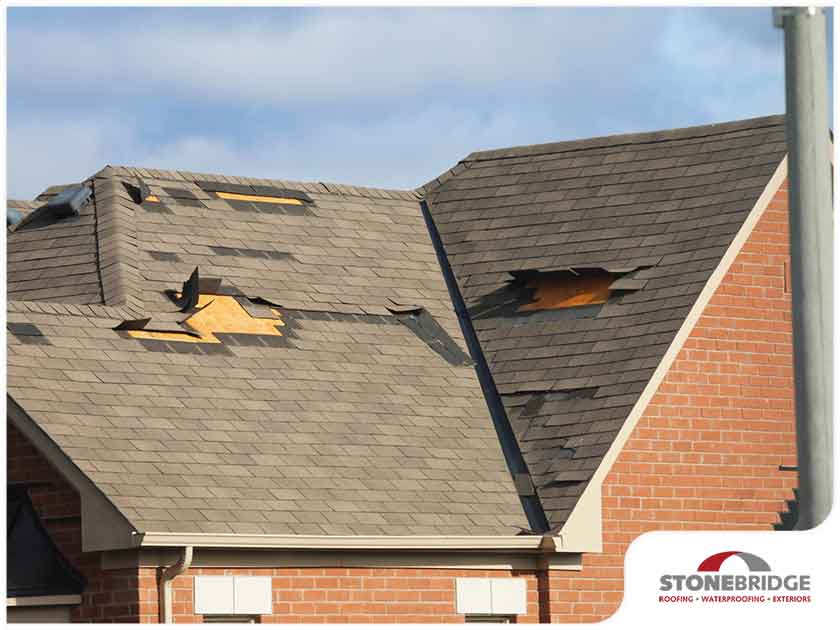
This is why a roof should be evaluated as a complete assembly, not just as a field of shingles or tiles. A dependable contractor looks at the roof deck, underlayment, ventilation, flashing, penetrations, gutters, and the condition of adjoining exterior features. A missing shingle may be the visible issue, but the underlying cause could be failed sealant, weakened flashing, improper installation, or moisture that has traveled farther than expected.

Local experience matters because the best recommendation depends on your roof style, its age, the material already in place, your neighborhood’s exposure, and whether the problem is isolated or systemic. A repair may be the right answer. In other situations, repeated repairs can become an expensive way to delay a replacement that is already due.

Start With the Right Roofing Need

Before comparing contractors, define what has changed. A ceiling stain after a storm, curled or missing shingles, cracked tiles, granules in gutters, sagging areas, or an aging roof near the end of its expected service life all call for an inspection. If water is actively entering the property, emergency tarping or storm repair may be needed before a permanent solution can be planned.

For a small, recent issue on an otherwise healthy roof, a targeted repair can preserve the remaining life of the system. The trade-off is that an older roof may not accept a perfect color match, and surrounding materials can still be nearing failure. A reputable contractor should explain that distinction rather than promise that one repair will make an aging roof new again.

Replacement becomes more practical when damage is widespread, leaks keep returning, materials are brittle or worn, or a repair would affect a large portion of the roof. It can also be the better investment when a homeowner is preparing for a major exterior renovation, adding solar, or seeking stronger warranty coverage. The goal is not to sell the biggest project. It is to recommend the work that gives the property reliable protection.

How to Evaluate a Jacksonville FL Roofing Company

Credentials are a useful starting point, but they should be paired with clear communication and a detailed scope of work. Ask whether the contractor is properly licensed and insured, whether they use trained crews, and whether they have manufacturer certifications relevant to the roofing system being proposed. These details affect accountability, installation quality, and access to certain enhanced manufacturer warranties.

For example, GAF Master Elite® certification is held by fewer than 2% of roofing companies nationwide. It reflects ongoing training and compliance with GAF requirements, and it may provide access to stronger warranty options on qualifying systems. Certification alone should not make the decision for you, but it is meaningful evidence that a contractor has met a high manufacturer standard.

Also look for a company that can explain its process without hiding behind vague language. You should know how the roof will be protected during the work, how landscaping and driveways will be treated, who will manage the project, and how cleanup will be handled. Professional installation includes the details homeowners often do not see, from proper flashing transitions to magnetic nail sweeps around the property.

A trustworthy estimate should identify the roofing material, underlayment, flashing work, ventilation considerations, tear-off or disposal needs, and warranty options. It should also address possible deck repairs if hidden damage is found after old materials are removed. No contractor can see every condition beneath an existing roof in advance, but they can explain how those discoveries will be documented and approved.

Materials Matter, but System Design Matters More

Jacksonville property owners have several durable roofing choices, including asphalt shingles, tile, metal, and commercial low-slope systems. The right option depends on the roof structure, architectural style, budget, maintenance expectations, and desired service life. A material that performs well on one home may not be the best fit for another.

Established manufacturers such as GAF, Owens Corning, CertainTeed, and Eagle Roofing offer options across different roofing categories. Yet brand name alone does not guarantee performance. The underlayment, starter materials, ridge components, flashing, fasteners, attic ventilation, and installation methods must work together. A premium shingle installed over weak details is still vulnerable during a Florida storm.

Ask the contractor to explain why a particular system fits your property. For example, attic ventilation can influence heat and moisture management, but the appropriate approach depends on the home’s design and existing intake and exhaust conditions. Good recommendations are specific, not one-size-fits-all.

Read Estimates Beyond the Bottom Line

When two estimates differ significantly, compare the scope before assuming one contractor is overpriced. One proposal may include full tear-off, upgraded underlayment, new flashing, ventilation improvements, permit handling, and comprehensive cleanup. Another may omit items that become costly changes later.

Pay attention to what is written, not only what is discussed during an appointment. A clear proposal makes it easier to compare materials, labor coverage, payment terms, projected timing, and exclusions. It also creates a shared understanding of what the project includes.

Financing can be helpful for a major roof replacement or combined roof-and-solar project, particularly when an urgent failure leaves little time to save. However, financing should support a sound roofing decision, not push you into unnecessary upgrades. Review the terms carefully and choose a payment approach that works for your household or property budget.

Commercial Roofs Need a Different Level of Planning

Commercial property owners and managers need more than a fast patch when a roof issue appears. A leak can interrupt operations, damage inventory, affect tenants, and create safety concerns. Commercial roofing decisions also involve drainage, rooftop equipment, access requirements, insulation, membrane condition, and the need to minimize disruption.

A qualified commercial roofing contractor should assess the full roof condition and provide practical options, whether that means a focused repair, preventative maintenance, restoration planning, or replacement. Responsive service matters, but so does documentation that helps owners plan capital expenses instead of reacting to each new leak.

Storm Response Should Be Fast and Disciplined

After severe weather, avoid making a rushed decision based on a door-to-door pitch or a promise that sounds too easy. If your roof has active damage, prioritize immediate protection. Emergency tarping can limit further water intrusion while the roof is inspected and a permanent repair plan is prepared.

Take photos from the ground when it is safe to do so, note when the damage occurred, and keep records of visible interior impacts. A professional contractor can identify storm-related damage, explain immediate risks, and provide an estimate grounded in the actual condition of the roof. Never climb onto a wet, steep, or damaged roof to investigate it yourself.

Consider Solar When the Roof Is Ready

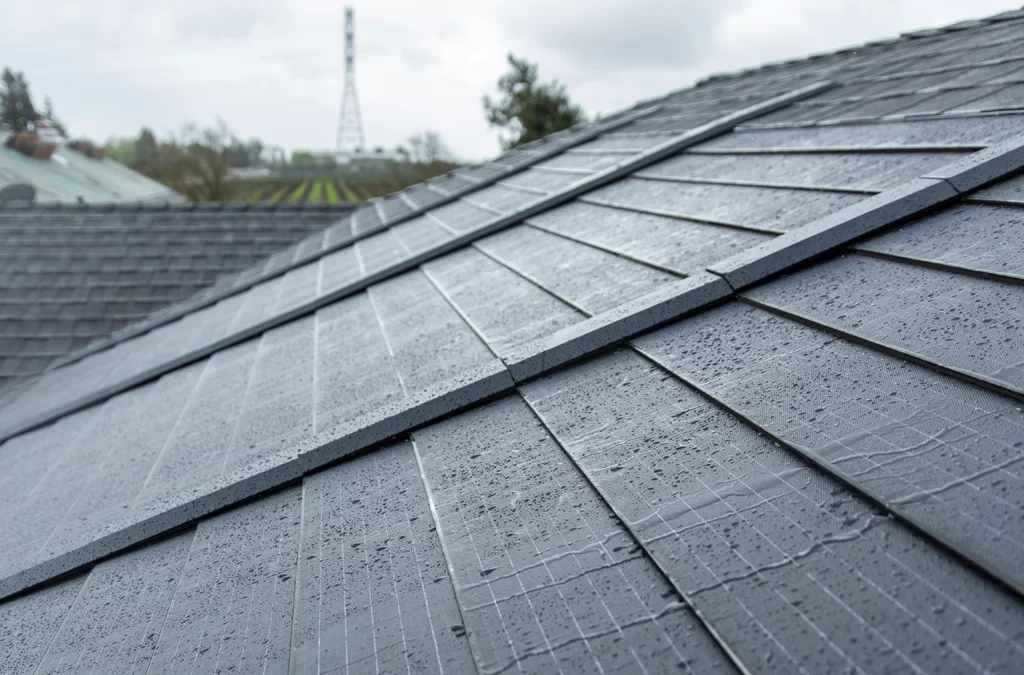
A roof replacement can be a smart time to consider solar energy because both projects involve long-term planning around your home’s exterior. Integrated options such as GAF Timberline Solar™ roofing shingles can provide an alternative to a traditional panel installation for homeowners who want a more unified appearance.

Solar is not automatically right for every roof. Orientation, shading, electrical needs, energy goals, roof condition, and budget all matter. The key is to avoid placing a new solar system on a roof that will soon need replacement. Coordinating roof and energy decisions can prevent unnecessary removal and reinstallation costs later.

Your roof protects the place where your family lives, works, and gathers. Choose a contractor willing to inspect carefully, explain honestly, and build for the next Florida storm, not just the next inspection. Stonebridge offers free, no-obligation estimates so Jacksonville property owners can make that decision with a clear view of their roof’s condition and options.
The Power of the Sun: Why a Solar Roofing System Is a Smart Move for Florida Homes

The Power of the Sun: Why a Solar Roofing System Is a Smart Move for Florida Homes

Florida is famous for its beaches, palm trees, and year-round sunshine. That same sunshine is also one of the state's most valuable natural resources. With more than 230 sunny days a year, we are uniquely positioned in Florida to take full advantage of residential solar roofing systems. 


A solar roofing system isn't just a good idea, it's becoming one of the smartest investments a homeowner can make. Thanks to lower equipment costs, better technology, and strong government support, more families are turning their rooftops into clean energy powerhouses.

Why Florida Is Ideal for Solar Energy

The Sunshine State lives up to its name. According to the U.S. Energy Information Administration (EIA), Florida ranked among the top three states for total solar electricity generation in 2023, producing over 14,000 thousand megawatt-hours from utility-scale facilities alone EIA-Florida Profile. That figure doesn't even include thousands of homes now generating their own electricity from solar panels.

With high solar potential, moderate year-round temperatures, and rising energy costs, Florida homeowners are reaping big benefits from rooftop solar.

How a Solar Roofing System Works

A solar roofing system includes photovoltaic (PV) panels that convert sunlight into electricity. This electricity can be used immediately to power your home, stored in a battery system for later, or sent back into the grid through net metering. In Florida, utilities are required to credit homeowners for any excess energy they produce, helping offset future bills Florida PSC – Net Metering.

Over time, your system can produce enough power to significantly reduce, or even eliminate, your electricity bills.

Savings That Add Up Over Time

The financial return on a solar roofing system is one of the biggest motivators for homeowners. Electricity costs are rising across the U.S., and Florida is no exception. The average monthly electric bill in Florida during summer months is around $175–$250 according to EIA data EIA – Electricity Sales & Price. That's over $2,000 a year.

Installing solar can lock in your energy costs and protect you from rate hikes for the next 25 years or more. Many systems pay for themselves in just 7 to 10 years. Beyond that, you're enjoying almost free electricity.

Big Incentives Make It Even Easier

If you install a solar energy system on your home, you're eligible for a 30% federal tax credit through the Residential Clean Energy Credit. This covers not just the panels, but installation and associated equipment costs Energy.gov – Federal Tax Credit.

Florida adds even more savings:

  • Sales Tax Exemption: Solar systems are 100% exempt from Florida's state sales tax, immediately lowering the cost FL Dept. of Revenue – TIP 19A01-10.
  • Property Tax Exemption: Adding solar panels increases your home's value—but Florida law ensures that increase is exempt from property tax calculations FL Statute 196.175.

Combined, these incentives can save you thousands right from the start.

A Boost in Home Value

Beyond monthly savings, solar roofing systems can increase your home's resale value. A study from the U.S. Department of Energy's Lawrence Berkeley National Lab found that homes with solar sold for about $15,000 more than similar homes without solar LBNL – Selling the Sun.

Solar is seen as a modern, energy-efficient upgrade, similar to a kitchen remodel or new windows, but with built-in financial returns.

Built for the Future

As more utilities shift toward renewable energy, having your own solar system puts you ahead of the curve. It means less reliance on the grid, lower carbon emissions, and a step toward sustainability. Plus, newer systems are sleek, low-profile, and integrate with modern roofing materials, making them as stylish as they are efficient.

Final Thoughts

Whether you're looking to save money, reduce your carbon footprint, or just take control of your home's energy use, a solar roofing system makes sense—especially in Florida. With smart policy, generous tax credits, and nearly year-round sunshine, the path to solar has never been more accessible.

At Stonebridge Roofing, Energy & Exteriors, we proudly offer the GAF Timberline Solar™ roofing system, the first nailable solar shingle designed to be part of your roof, not just installed on top of it.

  • Streamlined Design: Timberline Solar™ integrates directly with your roof deck for a sleek, low-profile finish that blends form and function.
  • Durable & American-Made: Engineered for strength, performance, and lasting beauty—built in the USA with industry-leading warranties.

As the future of energy moves toward clean, renewable sources, homeowners who make the switch today are not only investing in their own financial future, they're helping build a better tomorrow.

Ready to explore solar for your Florida home? Contact our expert roofing contractors at Stonebridge today for a consultation!

(904) 262-6636


Financing a New Roof: 3 Ways on How to Do It

Financing a New Roof: 3 Ways on How to Do It

Replacing your old roof with a new, more efficient one can be a huge investment. Then again, delaying it further when your home clearly needs a new one can lead to costly fixes. If you can’t pay for a new roof due to a lack of out-of-pocket funds, know that there are ways you can finance this major home improvement.

What to Consider When Comparing Roofing Warranties

What to Consider When Comparing Roofing Warranties

Whether you’re working on a new roof construction or a roof replacement, one of the most important factors you should look into is the presence and quality of the warranty or warranties that accompany your new roofing system. Manufacturing warranties protect you from manufacturing defects that can lead to unexpected or premature roof failure. Workmanship warranties are your protection against roof failure or damage caused by installation errors.

These are the features that you should look for if you want a strong and reliable roofing warranty:

Reputable Brand of Products

Reputable manufacturers back their products with reliable warranties that are often comprehensive. These warranties also typically have long coverage, and it’s easier to file against them if problems arise with your roofing system. It’s a good idea to purchase roofing products from known manufacturers.

Licensed and Certified Contractor

It’s also advisable to choose roofing companies that have a long history of excellence over new or inexperienced contractors. The best contractors are licensed to operate in your area, and they are certified by the manufacturers of the products they carry so you can be sure they know what they’re doing. Reputable contractors also often back their workmanship with a separate warranty.

Length of Warranty

The leading roofing material brands include warranties with their products that will cover you for many years to come. Some of their warranties are special, so they’re good for a longer period of time, have more coverage, and might even be transferable should you choose to sell your home.

Warranty Coverage

Learn about the kind of coverage your warranty offers. What are the conditions, the inclusions, and the exclusions? Will your coverage include the labor, or should you get a separate warranty for that? Lastly, find out what things can void your warranty so you know what to avoid. Knowing what you can expect from your warranty can save you from a lot of issues.

Limitations

A lifetime warranty is actually a lifetime “limited” warranty. It might last for as long as the roofing materials are expected to last. Many warranties will cover only a portion of the expected lifespan of the product. 

Stonebridge Roofing, Waterproofing and Exteriors can discuss your roofing warranty with you. We are trusted roofers and home exterior experts. Call us today at (904) 262-6636, or contact us here.

3 FAQs About Roofing Insurance Claims

3 FAQs About Roofing Insurance Claims

After a storm hits, it is usually the roofing system that sustains the most damage. Even though there are preventive steps you can take, like installing a weather-resistant system, your roof will still be exposed to sharp hail, high winds, torrential rain, and other harsh elements that wear it out. That said, it is crucial to get roof insurance to mitigate losses resulting from roof damage. 

Today, we answer some of the most frequently asked questions about the roof insurance claims process.

1. What does your roof insurance policy cover: The most efficient way to find out what is covered in your insurance policy is to directly contact your insurance representative. The company considers the age of your roof when determining the extent of roof damage that will be covered. If your roof is less than 10 years old, then it is possible to receive coverage for all storm-damaged roofs. On the other hand, if your roof is more than a decade old, a depreciated value of the damaged roof may be reimbursed to you. Ultimately, the insurance company will send an inspector to assess and verify your claim.

2. How to get a new roof from insurance: If your roof is completely damaged, a roof repair is obviously not going to cut it. This means that a roof replacement is clearly due, and that leaves many people wondering if the insurance company will pay for the expensive costs of a new roof. Make sure to follow the established insurance claims process to avoid delay or refusal of payment from the insurer. Hiring local storm restoration contractors will help you. They will handle all the paperwork and ensure that all damage is accounted for.

3. What should I do if the contractor’s estimate is higher than the adjuster's: This situation typically occurs when the adjuster misses out on some of the damaged parts of the roofing system. Fortunately, this can be easily resolved by providing the necessary paperwork, measurements, and pictures that depict the extent of damage right after the storm hit. The insurance company will review these documents and send a check for all the additional repairs.

Stonebridge Roofing, Energy, and Exteriors is a premier source of home improvement solutions. We work with residential clients and provide roof replacement, siding maintenance, home exterior waterproofing, and more. Call us at (904) 262-6636.