Sep 14, 2026
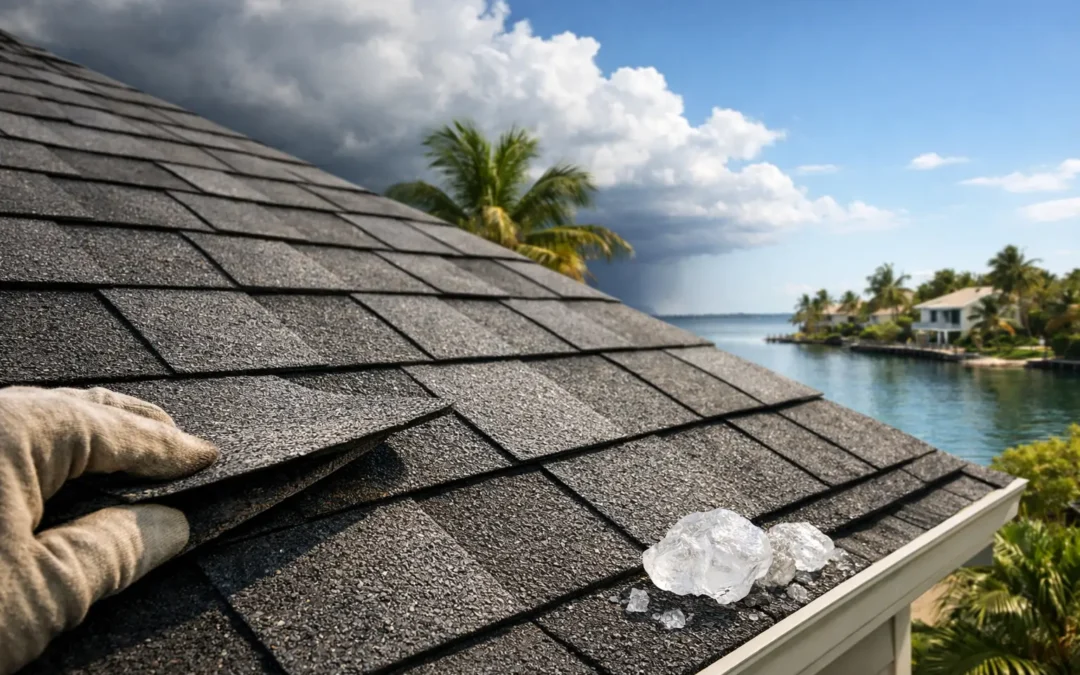
A roof can look perfectly sound after a Florida storm and still carry damage that shortens its life. Hail can bruise asphalt beneath the surface, while wind-driven debris can crack or dislodge shingles without creating an immediate leak. This guide to impact resistant shingles helps Jacksonville-area homeowners understand what these products do, what they do not do, and whether they make sense for a roof replacement.
What Are Impact Resistant Shingles?
Impact resistant shingles are asphalt shingles designed and tested to better withstand strikes from hail and airborne debris. They typically use a reinforced asphalt layer, a tougher backing, or a specialized polymer-modified construction that helps the shingle flex rather than crack when struck.
For Northeast Florida homes, the appeal is straightforward: a more damage-tolerant roof may be better prepared for severe thunderstorms, tropical systems, falling limbs, and the occasional hail event. It can also reduce the likelihood that a single impact causes granule loss, fractures, or exposed areas that become vulnerable over time.
The key word is “resistant,” not “proof.” No shingle can guarantee protection from every storm condition. A large branch, prolonged hurricane-force winds, or debris traveling at high speed can damage even a premium roofing system. The goal is to choose materials that offer a stronger first line of defense when weather becomes unpredictable.
Understanding Impact Ratings: Why Class 4 Matters
Most impact resistant asphalt shingles are evaluated under UL 2218, a test that assigns ratings from Class 1 through Class 4. During the test, steel balls are dropped onto the shingle to simulate hail impact. Class 4 is the highest rating and is generally the level homeowners should look for when impact performance is a priority.
A Class 4 rating means the tested product did not crack under the required test conditions. That is meaningful, but it should not be confused with a wind rating, a waterproofing guarantee, or a promise that the roof will never need repair. A roof is a complete system. Shingles, underlayment, flashing, fasteners, ventilation, and installation quality all affect how it performs in real weather.
It also matters that the specific shingle color and product line carry the rating. Manufacturers may offer both standard and impact resistant versions within a similar-looking architectural shingle collection. Review the exact product specification before making a decision rather than relying on a broad product name.
Impact Resistance Is Different From Wind Resistance
Florida homeowners often focus first on wind, and for good reason. Impact resistance and wind resistance address different threats. Wind ratings relate to how well shingles resist lifting and blowing off when installed according to the manufacturer’s requirements. Impact ratings address cracking or puncturing from an object striking the shingle.
A strong roofing decision considers both. For a home in Jacksonville, St. Augustine, Ponte Vedra, Fernandina Beach, Palm Coast, or elsewhere along the Florida coast, a shingle with a high impact rating and a wind-rated installation system can provide more balanced storm protection than choosing based on one specification alone.
When Impact Resistant Shingles Are Worth the Investment
Impact resistant shingles often cost more than standard architectural shingles, so the right choice depends on your home, budget, and long-term plans. They can be especially worthwhile if your property has mature trees, has experienced hail or debris damage before, or sits in an area where storm exposure is a regular concern.
They may also appeal to homeowners who plan to stay in the home for many years and want to invest in fewer preventable repairs. A roof replacement is not simply a cosmetic update. It protects your family’s most valuable asset, supports indoor comfort, and helps defend the structure beneath it from water intrusion.
There are cases where a standard, high-quality architectural shingle is still a sound choice. If the roof has limited tree exposure, the budget is tightly defined, or the home will be sold soon, a standard system installed correctly may deliver the value you need. The best material is the one that fits the property’s risks and is installed without shortcuts.
Questions to Ask About Insurance Savings
Some insurance carriers offer discounts for qualifying Class 4 impact resistant roofs, but discounts are not automatic and vary by insurer, policy, home location, and underwriting requirements. Before selecting shingles solely for a potential premium reduction, contact your insurance agent and ask what documentation is required.
You may need the product’s impact classification, manufacturer documentation, a paid invoice, photos, or a contractor-completed form. Ask whether the discount applies to the full premium or only a portion of the policy, how long it remains in place, and whether your deductible affects the practical benefit after a loss.
It is also wise to compare the added material cost with the expected savings over several years. Insurance savings can help offset the investment, but they should be treated as one part of the decision – not the only reason to choose an impact resistant roof.
A Guide to Impact Resistant Shingles and Proper Installation
The performance label on a shingle matters, but the crew installing it matters just as much. Even a Class 4 product can underperform if nails are misplaced, flashing is poorly integrated, roof decking has hidden damage, or the underlayment system is not suited to the roof’s design.
During a roof replacement, a qualified contractor should assess the deck condition, roof slope, penetrations, valleys, eaves, and ventilation needs. These details determine where water moves, where wind pressure concentrates, and where extra protection may be needed. Florida roofs also benefit from careful attention to sealing at transitions around chimneys, skylights, walls, and plumbing vents.
Ask your contractor how the roofing system will be built, not just which shingle will be installed. A clear proposal should identify the shingle product, underlayment, starter shingles, ridge components, flashing approach, ventilation plan, and warranty options. It should also explain how the crew will protect landscaping, manage debris, and address unforeseen deck repairs if they are discovered.
Stonebridge approaches roof replacements as complete protection systems, pairing proven materials from established manufacturers with trained installation practices built for Florida weather. As a GAF Master Elite® contractor, the team can also discuss enhanced warranty options available through qualifying GAF roofing systems.
How to Compare Shingle Options
When comparing impact resistant products, look beyond the color board. Bring the same questions to each option so you can make a fair comparison:
- What is the shingle’s exact UL 2218 impact classification?
- What wind coverage applies when it is installed as specified?
- Is the product approved for potential insurance discounts by your carrier?
- What manufacturer warranty and workmanship coverage are available?
- How does the material complement your home’s style, roof pitch, and budget?
Appearance still has value. Architectural shingles can add depth and curb appeal, while the right color can complement siding, brick, stucco, or exterior paint. But a good-looking roof should also be equipped for the conditions it will face year after year.
Do Not Wait for a Leak to Inspect Storm Damage
After a severe storm, look for missing tabs, lifted shingles, fresh granules in gutters, damaged vents, loose flashing, or limbs resting on the roof. From the ground, you may also notice dark spots, irregular edges, or debris that was not there before. Avoid climbing onto the roof yourself, especially if the surface is wet or damage is suspected.
A professional inspection can identify whether an impact has affected only a few shingles or whether the roofing system needs broader repair. Early attention can prevent a small compromised area from becoming a leak that damages insulation, ceilings, walls, or electrical components.
If you are planning a replacement, do not choose a shingle based on its impact rating alone. Choose a system that matches your exposure, your insurance requirements, and the standard of workmanship your home deserves. The right roof should give you confidence when the forecast changes, not leave you wondering what the next storm will reveal.
Sep 8, 2026
A Jacksonville attic can feel punishing by midafternoon in July, and your roof is the first surface absorbing that sun. The best roofing material for Florida heat is not simply the lightest-colored product or the one with the highest advertised rating. It is the system that manages heat while standing up to torrential rain, hurricane-force winds, humidity, salt air, and the demands of your specific home.
For Northeast Florida homeowners, a roof replacement is a long-term protection decision. The right material can improve comfort, support energy efficiency, preserve curb appeal, and help protect your family’s most valuable asset through the next storm season. The wrong choice can leave you with a roof that looks good on day one but requires more maintenance, offers less wind protection, or does not fit your home’s structure and budget.
What Florida Heat Actually Demands From a Roof
Florida roofs face more than high temperatures. Solar radiation heats the roof surface for hours at a time, then afternoon downpours rapidly cool it. Those repeated temperature swings can cause materials to expand and contract. Add persistent humidity, wind-driven rain, algae growth, and seasonal tropical weather, and it becomes clear why material selection and installation quality must work together.
A heat-ready roof should reflect a meaningful amount of solar energy, release absorbed heat effectively, and protect the roof deck from moisture. But reflectivity alone is not the whole answer. A highly reflective roof with weak flashing, poor attic ventilation, or installation errors will not provide dependable protection.
Color matters, particularly with shingles and metal. Lighter colors generally absorb less heat than darker colors. However, homeowners should consider the material’s full performance rating, expected maintenance needs, wind rating, and warranty requirements rather than choosing strictly by color.
Best Roofing Material for Florida Heat: How the Options Compare
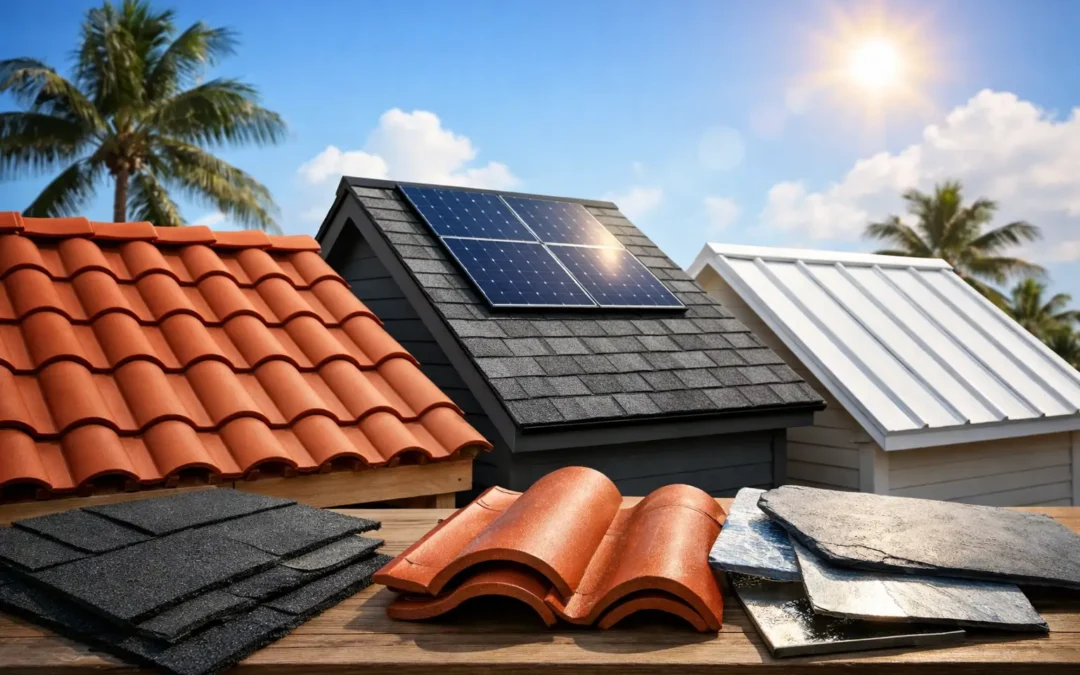
There is no single best roof for every Florida property. Roof slope, architectural style, location, exposure to trees or coastal conditions, and budget all affect the right recommendation. These are the materials most often worth considering.
Metal roofing: excellent heat performance and long service life
Metal roofing is one of the strongest choices for managing Florida heat. Its reflective surface can reduce solar heat absorption, especially when paired with a light or specialized reflective finish. Metal also sheds rain quickly, resists rot and insects, and can provide exceptional longevity when installed correctly.
Standing seam metal is especially popular with homeowners seeking a clean appearance and fewer exposed fasteners. Because the panels interlock, it offers strong weather protection and a modern finish.
The trade-off is upfront cost. Metal typically costs more than asphalt shingles, and Florida’s coastal environment requires the correct panel type, coating, fasteners, and flashing to limit corrosion risks. It can also be noisier during heavy rain if the roof assembly is not properly designed, though solid decking, insulation, and attic construction greatly reduce that concern.
Concrete or clay tile: durable, attractive, and heat-conscious
Tile has a long history in Florida for good reason. Concrete and clay tile create an air space beneath the tile surface that can help reduce heat transfer into the home. They also offer a distinctive appearance, strong durability, and a broad range of colors and profiles suitable for Mediterranean, coastal, and traditional homes.
Clay tile can retain its color beautifully, while concrete tile often provides a more accessible price point. Both can perform well in Florida, but tile is heavy. Before installation, a qualified contractor should confirm that the structure can support the load and that the underlayment, flashings, and attachment method meet current code requirements.
Tile roofs are not maintenance-free. Individual tiles can crack from impact or foot traffic, and the underlayment beneath them will eventually need attention. Homeowners should also understand that the water-shedding tile is only part of the protection system. Proper underlayment and details around valleys, vents, chimneys, and walls are critical.
Architectural asphalt shingles: practical value with the right system
Architectural shingles remain a leading choice for Florida homeowners because they balance appearance, cost, repairability, and dependable performance. They are lighter than tile, more affordable than most metal systems, and available in colors designed to reflect more sunlight than traditional dark roofing options.
For many homes, premium architectural shingles are the most practical answer. The key is choosing a complete roofing system with quality underlayment, leak barriers in vulnerable areas, proper ventilation, and wind-rated installation. A shingle’s performance during Florida weather depends heavily on the nails, starter strips, flashing, and workmanship beneath the visible surface.
Shingles generally will not reflect heat as effectively as a light-colored metal roof. They also have a shorter service life than well-maintained metal or tile in many cases. Still, a professionally installed architectural shingle roof from an established manufacturer such as GAF, Owens Corning, or CertainTeed can offer excellent protection and strong value for a wide range of Florida properties.
Low-slope systems for commercial and flat-roof sections
Low-slope residential additions and commercial buildings need a different approach. Materials such as TPO, PVC, modified bitumen, and coating systems are designed for roofs where water does not run off as quickly as it does on a steep slope.
White TPO and PVC membranes are often selected for their reflective surfaces, which can help limit heat gain. Modified bitumen can be a reliable option when specified for the building and installed with careful attention to seams and drainage. For these systems, drainage design is as important as the membrane itself. Standing water, clogged drains, and neglected penetrations can shorten the life of an otherwise sound roof.
The Roof System Matters as Much as the Surface Material
Homeowners sometimes focus entirely on the shingles, panels, or tiles they can see from the street. A durable Florida roof is built in layers. The deck, underlayment, water barriers, ventilation, flashing, fasteners, and edge details all have a direct role in heat management and storm protection.
Attic ventilation deserves special attention. It helps remove excess heat and moisture from the attic, which can reduce strain on insulation and HVAC equipment while supporting the roof system’s long-term performance. Ventilation must be balanced and correctly sized. Adding random roof vents without considering intake airflow can create problems rather than solve them.
Installation also affects warranty eligibility. Manufacturer-backed enhanced warranties may require approved materials, documented installation practices, and qualified contractors. Stonebridge’s GAF Master Elite® certification reflects the training and standards that help homeowners access stronger warranty options when a GAF system is the right fit.
Heat, Hurricanes, and Coastal Exposure Change the Decision
In Jacksonville, St. Augustine, Fernandina, Ponte Vedra, and other coastal or near-coastal communities, salt exposure deserves consideration. Metal components must be selected for the environment, and regular inspections are wise. Inland properties in Orlando, Tampa, and Lakeland may have different exposure concerns, but they still need to be prepared for severe rain, wind uplift, and high UV levels.
A roof’s wind rating should match local code requirements and the property’s risk profile. This is particularly important for homes with open exposures, tall rooflines, complex valleys, or locations near water. Ask how the proposed system handles wind resistance, not just what material is being installed.
If your roof is aging, missing shingles, showing cracked tiles, or developing recurring leaks, waiting through another hurricane season can raise the stakes. A professional inspection can identify whether targeted repairs, preventative maintenance, or full replacement offers the better long-term value.
Choosing the Right Roof for Your Home
Metal is often the strongest choice for homeowners prioritizing solar reflectivity and long service life. Tile is a compelling option for properties designed to support it and owners who want lasting architectural character. Architectural shingles are frequently the best balance of protection, appearance, and budget. Low-slope sections need a membrane system designed around drainage and seam integrity.
The most dependable choice begins with an honest evaluation of your existing roof, attic conditions, building structure, and goals. Consider whether you may add solar, whether you plan to stay in the home for decades, how much storm exposure the property receives, and what level of maintenance fits your plans.
A Florida roof should do more than survive the summer. It should help your home stay protected, comfortable, and ready when the weather changes fast. A detailed estimate from an experienced local roofing professional can turn that goal into a roof system built for the conditions outside your door.
Sep 2, 2026
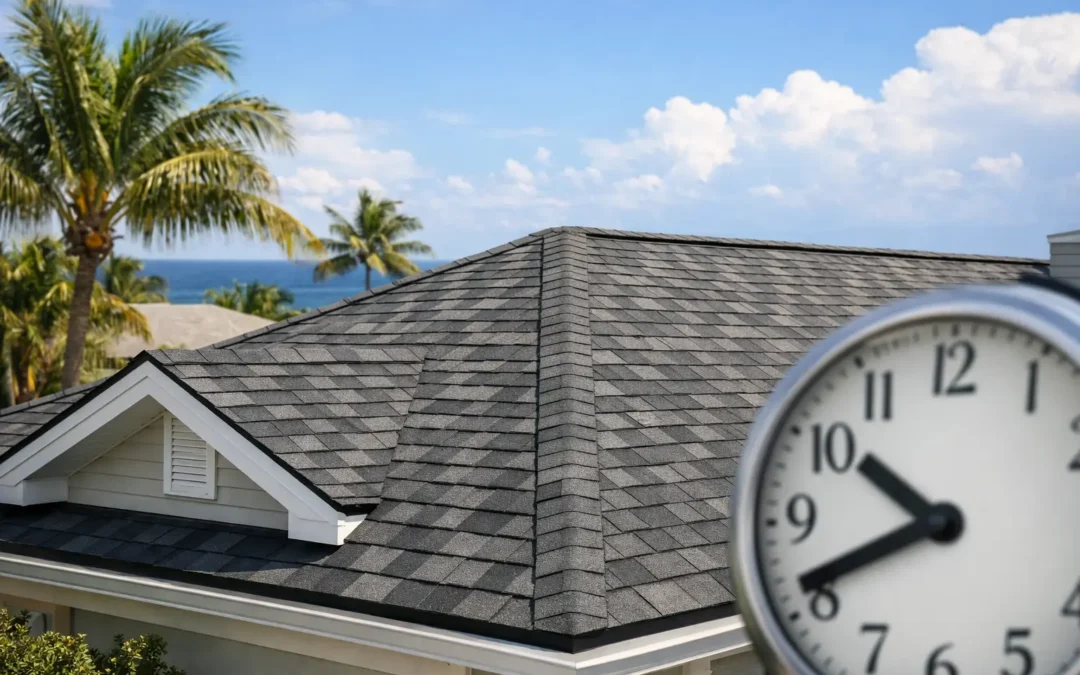
A roof that might perform well for 25 or 30 years in a mild climate can age much faster under Florida sun, humidity, heavy rain, and hurricane-force winds. So, how long does a Florida roof last? For many homes, the realistic answer is 15 to 25 years, but the material, installation quality, storm history, ventilation, and maintenance all matter.
For Jacksonville and Northeast Florida property owners, roof age is only part of the picture. A 12-year-old roof with lifted shingles, active leaks, or storm damage may need prompt attention. On the other hand, a well-installed roof that has been maintained and has no damage may still have useful life remaining beyond the typical range.
How Long Does a Florida Roof Last by Material?
Roofing materials do not respond to Florida weather in the same way. The right choice depends on your home’s design, budget, wind exposure, insurance considerations, and how long you plan to own the property.
Asphalt shingle roofs: about 15 to 25 years
Architectural asphalt shingles are the most common residential roofing choice in Florida. They offer strong curb appeal, dependable protection, and a practical price point. Under constant ultraviolet exposure and high humidity, however, shingles can lose granules, become brittle, curl at the edges, or develop sealant failure sooner than they would in cooler regions.
A quality architectural shingle roof installed to current code and manufacturer specifications may provide 20 years or more of service. Lower-grade three-tab shingles often have a shorter practical lifespan, commonly around 10 to 15 years in Florida conditions. Wind damage, poor attic ventilation, and deferred repairs can shorten either timeline.
Metal roofs: about 30 to 50 years
Metal roofing is a long-term investment for Florida homes and commercial properties. It is valued for its durability, wind performance, resistance to rot, and ability to reflect a portion of the sun’s heat. Properly installed standing-seam or metal-panel systems can often outlast asphalt shingles by decades.
That said, metal is not maintenance-free. Fasteners, flashing, sealants, and penetrations still need periodic inspection. Coastal homes also need materials and installation details suited to salt-air exposure. A metal roof’s longevity depends as much on professional workmanship as on the panel itself.
Tile roofs: 40 years or more, with important conditions
Concrete and clay tile roofs can last for several decades and are a familiar sight across Florida. The tile itself may remain serviceable for 40 to 50 years or longer, but the underlayment beneath it typically has a shorter life. That means an older tile roof may need underlayment replacement even when many of the original tiles still look sound.
Individual cracked, slipped, or missing tiles should be addressed quickly. Walking on tile without the right experience can cause more breakage, so this is a roof system best evaluated and repaired by trained professionals.
Low-slope and flat roofs: about 15 to 25 years
Many commercial buildings, additions, and modern homes use low-slope roof systems. Their lifespan varies by system type, drainage design, exposure, and maintenance. Ponding water, clogged drains, deteriorated seams, and damaged flashing are common threats in Florida’s frequent rainstorms.
These roofs benefit from routine maintenance rather than a wait-for-a-leak approach. Small membrane or flashing issues can become major interior damage after a single hard storm.
Why Florida Roofs Age Faster
Florida roofs work year-round. Intense sunlight heats roofing materials daily, then afternoon downpours cool them quickly. That repeated expansion and contraction can wear down shingles, seals, and flashing over time.
Humidity adds another layer of stress. Moisture can encourage algae growth, affect decking when leaks go unnoticed, and make attic ventilation especially important. A roof also must manage wind-driven rain, which can push water beneath compromised shingles, loose flashing, or damaged ridge components.
Hurricanes and tropical storms create the most obvious risk. Even if a storm does not remove shingles or tiles, strong gusts can weaken seals, lift edges, loosen fasteners, and create small openings that later become leaks. After a named storm or a severe local wind event, a professional inspection can identify damage before it spreads.
Roof Age Is Not the Same as Remaining Life
Homeowners often ask whether their roof needs replacement simply because it is 15 or 20 years old. Age is a useful planning signal, but it is not a diagnosis. The condition of the system matters more.
A roof may still be repairable when the damage is isolated, the decking is sound, and the surrounding materials remain in good condition. A targeted repair can make sense after a minor flashing failure, a few wind-damaged shingles, or a localized leak with a clear source.
Replacement becomes the wiser choice when repairs are recurring, shingle deterioration is widespread, multiple leaks have developed, or storm damage affects large sections of the roof. It can also be appropriate when the roof is nearing the end of its expected service life and you want stronger warranty coverage, improved wind resistance, or a new look before selling your home.
Signs Your Florida Roof Needs a Professional Inspection
You do not need to wait until water reaches the ceiling to have your roof checked. A visual review from the ground can reveal warning signs, but a qualified roofer can assess areas that are difficult or unsafe to inspect yourself.
Schedule an inspection if you notice any of the following:
- Missing, cracked, curled, or buckled shingles
- Dark patches, granules collecting in gutters, or exposed nail heads
- Loose flashing around chimneys, vents, skylights, or wall transitions
- Water stains on ceilings, damp attic insulation, or a musty attic smell
- Cracked or displaced tile, rusting metal components, or loose ridge caps
- A roof approaching 15 years old after repeated severe-weather seasons
The goal is not to replace a roof prematurely. It is to understand its condition, document any storm-related concerns, and make an informed decision before a manageable repair turns into a larger restoration project.
Installation Quality Has a Major Effect on Lifespan
Even the best roofing product cannot perform as intended if it is installed incorrectly. Proper deck preparation, underlayment, flashing, ventilation, fastener placement, shingle alignment, and ridge details all influence how a roof handles Florida’s weather.
Manufacturer-backed systems are designed to work as a complete assembly, not as a collection of unrelated parts. That is one reason credentials matter. A contractor with established manufacturer training and enhanced warranty access is better positioned to follow the installation requirements that protect both your home and your coverage.
Stonebridge brings GAF Master Elite® credentials, a designation held by fewer than 2% of roofing contractors nationwide, to roofing projects across Florida. For a homeowner, that means a higher standard of training, workmanship accountability, and access to stronger manufacturer warranty options on qualifying systems.
How to Help Your Roof Last Longer in Florida
You cannot control the weather, but consistent attention can protect your roof’s remaining life. Keep gutters and roof valleys clear so rainwater can drain properly. Trim branches that rub against the roof or could fall during high winds. Address leaks, loose materials, and damaged flashing promptly rather than treating them as cosmetic issues.
Attic ventilation also deserves attention. Excess heat and moisture trapped beneath the roof can accelerate material aging and contribute to higher cooling costs. During an inspection, ask whether your intake and exhaust ventilation appear balanced for your home’s design.
Finally, have the roof inspected after major storms and at regular intervals as it ages. Documentation from professional inspections and repairs can be valuable for your maintenance planning, insurance conversations, and future home sale.
Planning Before a Roof Fails
The best time to make a roofing decision is before an active leak forces one. If your roof is entering its later years, an honest condition assessment gives you room to compare materials, consider financing, evaluate warranty options, and plan the work around your household or business operations.
For some property owners, a reroof is also the right time to consider integrated energy improvements such as GAF Timberline Solar™ shingles. Combining roofing and solar planning can reduce duplicate work and help ensure the roof system and energy upgrade are designed to perform together.
A Florida roof is more than a layer of shingles, tile, or metal. It is the system standing between your property and the next long summer, heavy downpour, or storm season. A clear assessment now can help you protect your most valuable asset with confidence.